
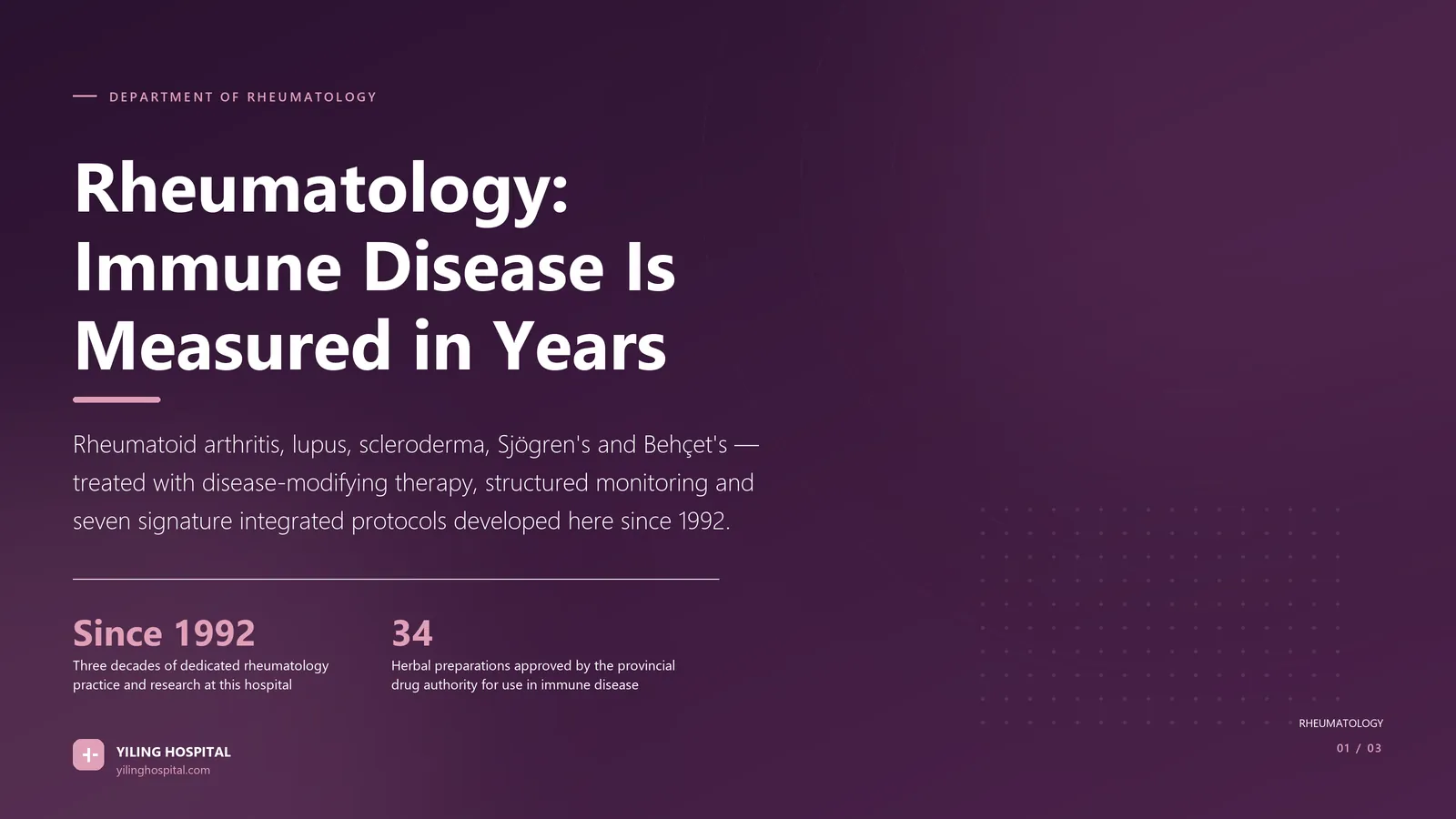
Rheumatology: Immune Disease Is Measured in Years, Not Appointments
Rheumatoid arthritis, lupus, scleroderma, Sjögren’s and Behçet’s — treated with early disease-modifying therapy, structured monitoring and seven integrated protocols developed at this hospital since 1992.
Rheumatology patients are used to being told they are fine. The blood test was normal, the joint looked normal on X-ray, and the tiredness was put down to stress. Months or years pass before someone puts the pieces together — and by then the window in which treatment works best has often closed.
This is the defining fact of the specialty: in inflammatory arthritis, the first twelve weeks of treatment matter more than the next five years. Joint damage happens early, much of it within the first two years, and it is largely irreversible. A rheumatology service that diagnoses accurately and starts disease-modifying therapy quickly changes what a patient can do for the rest of their life.
What follows is a practical account of how rheumatology care is organised here, what the distinctive protocols involve, and what any patient should expect from monitoring.
Why Rheumatology Diagnoses Take So Long
Autoimmune disease announces itself vaguely. Morning stiffness, fatigue, a few swollen knuckles, a rash, dry eyes, low-grade fever. Individually, none of these is alarming; together they describe a systemic process. The diagnostic delay is usually not a failure of knowledge but of pattern recognition across fragmented appointments.
Three things shorten it. A structured history that asks about morning stiffness duration in minutes, symmetry, skin changes, Raynaud’s phenomenon, mouth ulcers, dryness and family history. A focused examination of the small joints, nails, skin and eyes. And the right antibody panel interpreted against the clinical picture rather than in isolation — rheumatoid factor and anti-CCP, ANA with a titre and pattern, anti-dsDNA, ENA panel, ANCA, complement.
A positive ANA is common in healthy people and does not diagnose lupus. A negative rheumatoid factor does not exclude rheumatoid arthritis — up to a third of patients are seronegative. Tests support a diagnosis; they do not make one.
What a Rheumatology Department Actually Treats
Yiling Hospital’s rheumatology department opened in 1992 and has spent three decades on this group of diseases. It is a Hebei Provincial TCM key specialty, a clinical research base for the China International Exchange and Promotive Association for Medical and Health Care, a founding member of the international scleroderma clinical and research alliance, the lead unit of the provincial TCM rheumatology specialty alliance, and hosts the Shijiazhuang clinical research centre for TCM rheumatoid immune disease. Its clinicians have published more than 100 papers, produced four monographs, and hold provincial and municipal science and technology awards.
Table 1 — The conditions this department manages, and what treatment is aiming for
| Condition | What it affects | What treatment aims to achieve |
|---|---|---|
| Rheumatoid arthritis | Symmetrical small joints, tendons, and in some patients lungs and eyes | Remission or low disease activity within six months, preventing erosions and deformity |
| Ankylosing spondylitis / axial spondyloarthritis | Sacroiliac joints, spine, entheses; sometimes eyes and gut | Pain and stiffness control, preserved spinal mobility, prevention of fusion |
| Systemic lupus erythematosus | Skin, joints, kidneys, blood cells, brain, serosa | Remission with the lowest possible steroid dose; organ protection; pregnancy safety |
| Systemic sclerosis (scleroderma) | Skin thickening, Raynaud’s, oesophagus, lungs, kidneys, heart | Slowing progression, softening skin, screening and treating lung and pulmonary vascular disease |
| Sjögren’s syndrome | Tear and salivary glands; fatigue; risk of lymphoma | Symptom control, glandular preservation, systemic complication surveillance |
| Idiopathic inflammatory myopathy | Proximal muscle weakness, skin (dermatomyositis), lungs, swallowing | Regain strength, suppress inflammation, screen for malignancy and lung disease |
| Behçet’s disease | Oral and genital ulcers, eyes, skin, blood vessels, nervous system | Control mucocutaneous disease, prevent eye and vascular complications |
| Psoriatic arthritis and gout | Joints, entheses, skin; urate crystal deposition | Joint preservation; for gout, sustained urate below target to dissolve deposits |
Beyond the Joint: Organ Involvement Changes Everything
The reason rheumatology is a medical specialty rather than an orthopaedic one is that these diseases attack organs. Two of those organ problems determine long-term outcome more than joint pain does, and both are frequently missed.
Interstitial lung disease
A significant proportion of patients with rheumatoid arthritis, scleroderma, myositis and Sjögren’s develop interstitial lung disease, and it is the leading cause of death in systemic sclerosis. It is silent early. This is why a department should screen with pulmonary function tests and high-resolution CT at baseline and at intervals, rather than waiting for breathlessness — by the time a patient notices, a substantial volume of lung may already be lost.
The department runs a staged programme for pulmonary fibrosis in rheumatic disease, differentiating the pattern of disease and combining it with the underlying autoimmune diagnosis before treatment is chosen. Antifibrotic therapy, immunosuppression and rehabilitation are selected according to the pattern, not applied uniformly.
Skin, vessels and the kidney
In scleroderma, the skin tells you what the vessels are doing. Rapidly progressive skin thickening predicts organ involvement and warrants aggressive assessment. Raynaud’s with digital ulcers needs vasodilator therapy, not reassurance. And a scleroderma renal crisis — rising blood pressure with falling renal function — is a medical emergency in which ACE inhibitors are life-saving.
The Signature Protocols: What Makes This Department Different
Most rheumatology departments worldwide offer the same core: methotrexate, hydroxychloroquine, sulfasalazine, leflunomide, biologics, JAK inhibitors and glucocorticoids, managed to a treat-to-target strategy. That is the standard of care and this department follows it. Its distinctive contribution is a set of integrated programmes built over three decades, which address the parts of these diseases that conventional drugs serve poorly.
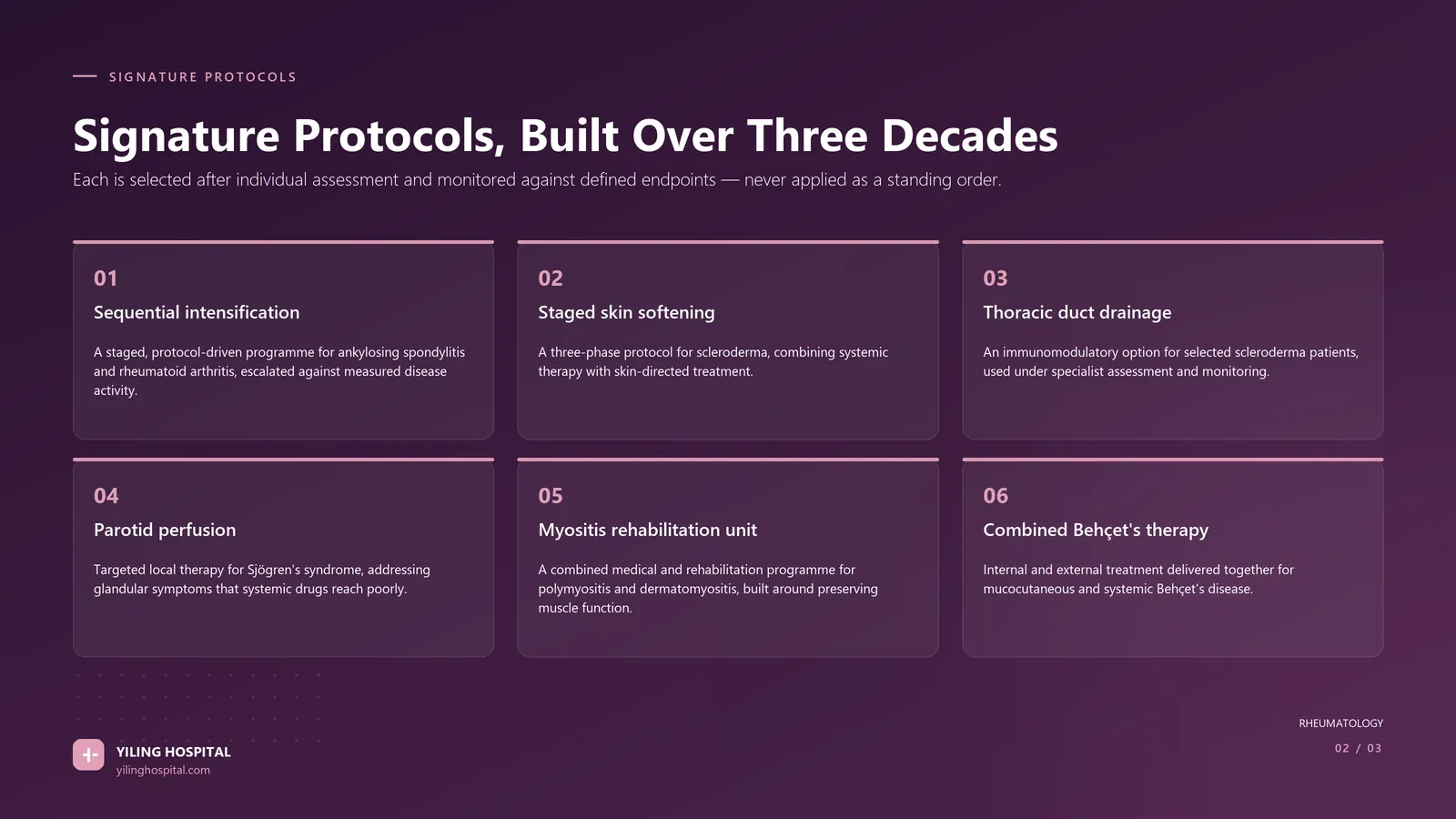
Sequential intensification for ankylosing spondylitis and rheumatoid arthritis
A staged, protocol-driven programme built around a systematic foot-therapy sequence, escalated according to measured disease activity rather than fixed intervals. The principle is conventional — treat to target and intensify when the target is not met — delivered through a structured, repeatable pathway so that no patient drifts between review appointments.
Staged skin softening and thoracic duct drainage in scleroderma
A three-phase skin-directed protocol combined with systemic therapy, alongside thoracic duct drainage for selected patients. Thoracic duct drainage is an immunomodulatory intervention that removes lymphocytes from the circulation; it is used in a narrow group, requires specialist assessment, and is not a routine treatment. It is described here because the department offers it — not as a recommendation that any particular patient should have it.
Parotid perfusion for Sjögren’s syndrome
Targeted local therapy delivered to the parotid glands to address the dryness and glandular swelling that systemic immunosuppression reaches poorly. For patients whose dominant symptom is glandular rather than systemic, this is a rational use of a local approach where the systemic risk-benefit calculation is unfavourable.
Holistic rehabilitation for myositis
Polymyositis and dermatomyositis destroy proximal muscle strength, and the temptation is to rest. The department runs a combined medical and rehabilitation programme in which controlled exercise begins early under supervision — because muscle that is never reloaded does not return to function simply because the inflammation has been suppressed.
Internal–external combined therapy for Behçet’s disease
Mucocutaneous and systemic Behçet’s treated with systemic immunomodulation alongside topical and externally applied therapies, plus the department’s own herbal preparations. The external component matters more than it sounds: oral and genital ulceration is the symptom patients rank as most disabling, and it responds faster to combined treatment than to systemic drugs alone.
The herbal preparations
Thirty-four herbal preparations developed in the department have been approved by the provincial drug authority. That distinction is worth stating precisely: approval means they meet the regulatory requirements for preparation and use in this setting, not that each has been validated in a randomised trial. They are prescribed within a medical plan, documented in the record, and reviewed like any other therapy.
Where Chinese Medicine Earns Its Place — and Where It Does Not
An honest rheumatology service distinguishes between three claims. First, that Chinese medicine can reduce steroid requirement and manage symptoms such as fatigue, dryness, Raynaud’s and low-grade joint pain — this is defensible and is why it is used. Second, that it can modify the disease course in the way a biologic does — this is not established and should not be claimed. Third, that it can replace disease-modifying therapy — this is dangerous, because the damage from untreated inflammation is permanent.
The department’s stated approach is integration, with Chinese and Western medicine delivered from the same plan. Patients should expect their rheumatologist to know exactly which herbal preparations they are taking, because interactions with immunosuppressants and effects on liver enzymes are real.
Do not stop your disease-modifying drugs because you feel better on an additional therapy. Feeling better and being controlled are not the same thing, and the damage done during an untreated flare does not come back.
Monitoring: The Tests That Keep You Safe
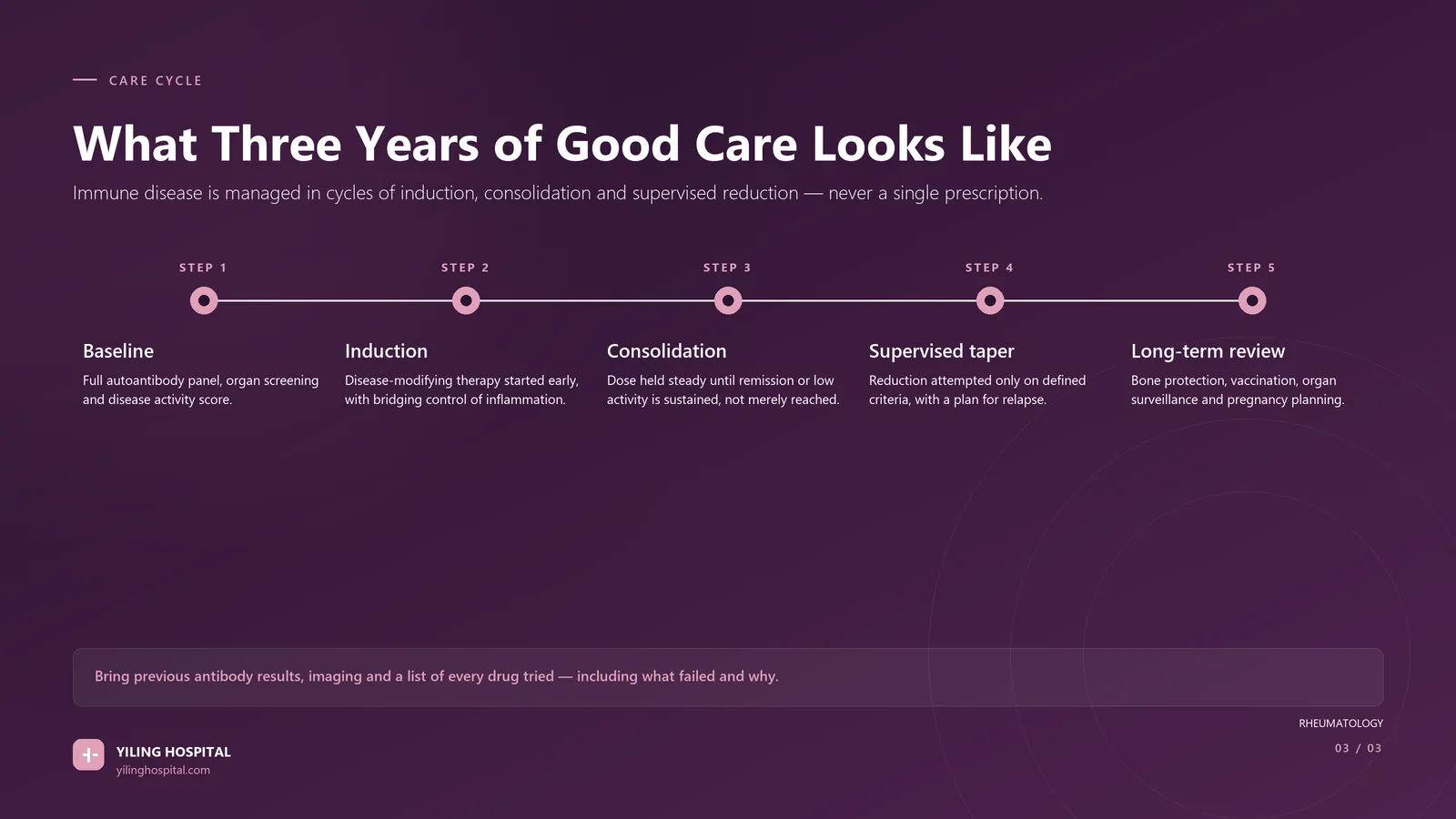
Rheumatology is a specialty of long-term drug safety, and monitoring is not bureaucracy — it is the treatment. A well-run service follows a defined schedule, and the patient should know what is being checked and why.
- Full blood count and liver enzymes every four to eight weeks during methotrexate initiation and dose changes, then less frequently once stable.
- Renal function and blood pressure for patients on NSAIDs, and for anyone with lupus or scleroderma.
- Hepatitis B and C, HIV and tuberculosis screening before starting biologics or JAK inhibitors — latent TB reactivation is preventable and serious.
- Annual vaccination review, including influenza, pneumococcal and — where indicated and safe — shingles.
- Bone protection: glucocorticoid use above three months warrants calcium, vitamin D and a fracture-risk assessment.
- Pregnancy planning discussed in advance, because several of these drugs are teratogenic and several are safe in pregnancy. This conversation should never happen for the first time after conception.
Frequently asked questions
It is not curable, but it is highly treatable. With early disease-modifying therapy and a treat-to-target approach, a substantial proportion of patients achieve remission or low disease activity — meaning minimal symptoms and no further joint damage. The outcome depends heavily on how soon treatment starts, which is why delays measured in months matter.
Only under supervision, and usually by reducing rather than stopping. Feeling well is evidence that the treatment is working, not that the disease has gone. Sustained remission does justify a supervised taper in many patients, but it should be attempted on defined criteria with a clear plan for what to do if disease activity returns.
Osteoarthritis is mechanical wear of cartilage, worsened by load, age and injury, and it mainly affects weight-bearing joints with pain that worsens through the day. Rheumatoid arthritis is an autoimmune attack on the joint lining, typically symmetrical, affecting small joints of hands and feet, with morning stiffness lasting more than an hour and systemic features such as fatigue. They are treated in completely different ways.
No. The course varies enormously between the limited and diffuse forms, and between individuals. Limited cutaneous disease can remain stable for decades. Diffuse disease with rapid skin progression and lung involvement carries a much higher risk and needs aggressive monitoring. What has changed is that organ-based screening and treatment — for lung fibrosis, pulmonary hypertension and renal crisis — have substantially improved survival compared with thirty years ago.
Often yes, with planning. The key is to conceive during a period of low disease activity, on medication that is compatible with pregnancy. Hydroxychloroquine is generally continued; methotrexate and several other agents must be stopped before conception. Lupus pregnancies need monitoring for flares, pre-eclampsia and neonatal lupus, so joint obstetric-rheumatology care is the standard.
Because the drugs that control these diseases can affect blood counts, liver and kidneys before you notice anything, and because disease activity is often visible in the blood before it is visible in how you feel. Monitoring is what makes long-term immunosuppression acceptably safe. A department that does not monitor is not being relaxed; it is being negligent.
The takeaway
Rheumatology care rewards early, accurate diagnosis and patient, consistent management. The centre worth choosing asks the right questions before ordering tests, starts disease-modifying therapy without delay, follows a monitoring schedule rather than a hunch, screens for lung and organ involvement before symptoms appear, and is honest about which of its therapies are evidence-based and which are experiential. Immune disease is measured in years. Choose a department that behaves as though it knows that.
Request a rheumatology review
Bring your antibody results, recent blood tests, imaging reports and a list of every drug tried, including what failed and why.
Yiling Hospital · Department of Rheumatology · Shijiazhuang, Hebei, China
Medical disclaimer: this article is educational and does not constitute medical advice, diagnosis or a treatment recommendation. Autoimmune disease requires individual assessment by a qualified clinician. Do not start, stop or alter any disease-modifying therapy without medical supervision.
Department experts
Integrated care of scleroderma, Sjögren’s, polymyositis/dermatomyositis, arthritis, lupus, Behçet’s, pulmonary fibrosis and immune-related skin disease.
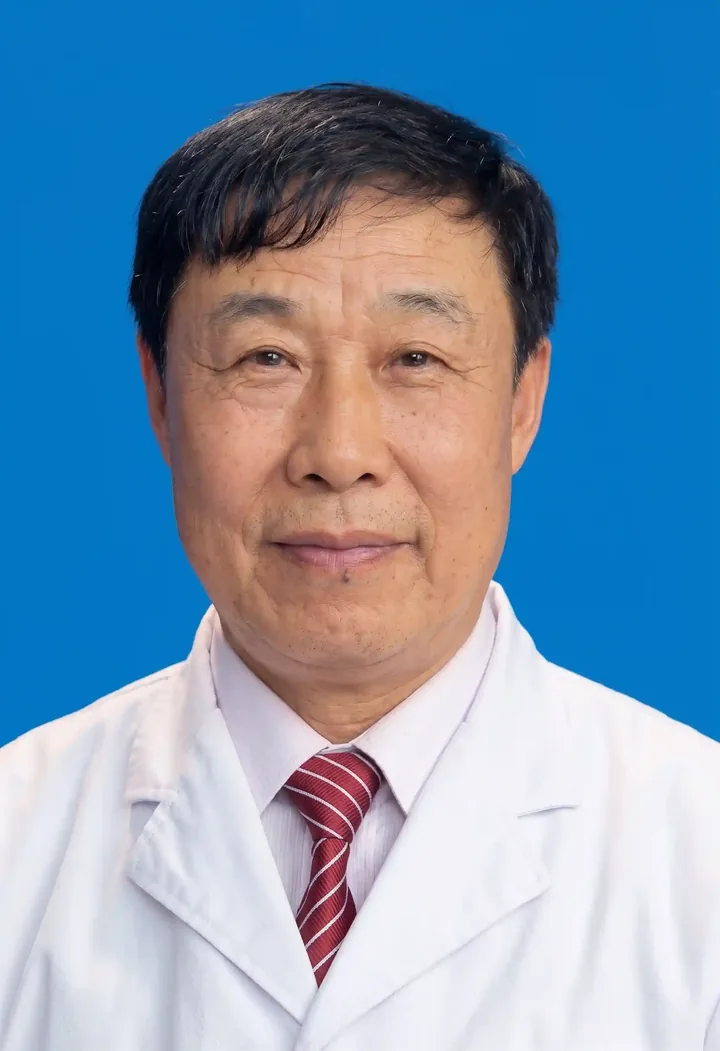
Integrated treatment of rheumatoid arthritis, ankylosing spondylitis, osteoarthritis, osteoporosis, gout and psoriatic arthritis.
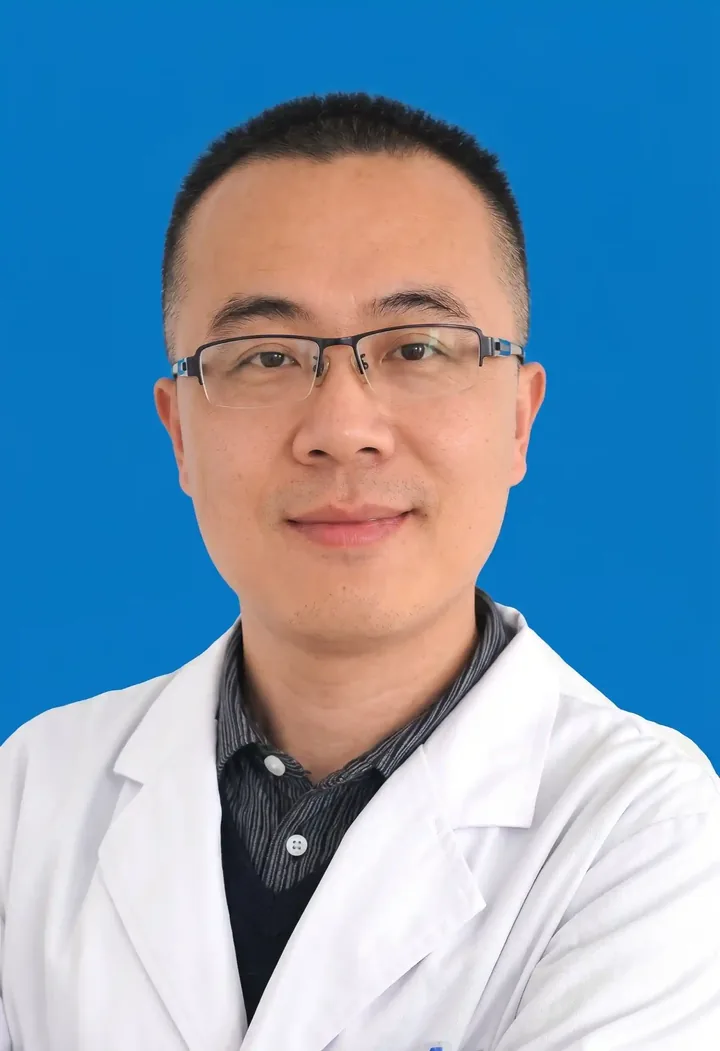
Rheumatoid arthritis, osteoarthritis, ankylosing spondylitis, gout, psoriatic arthritis, lupus, Sjögren’s, Behçet’s and vasculitis.
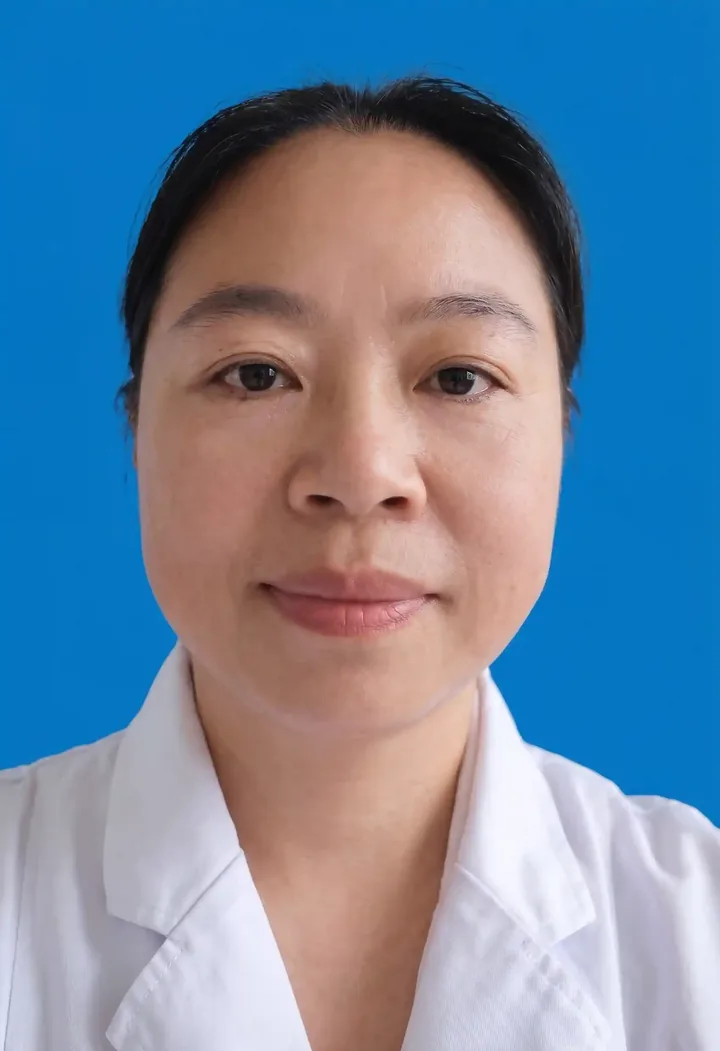
Integrated treatment of scleroderma, polymyositis/dermatomyositis, lupus, rheumatoid arthritis, Sjögren’s, Behçet’s and ankylosing spondylitis.
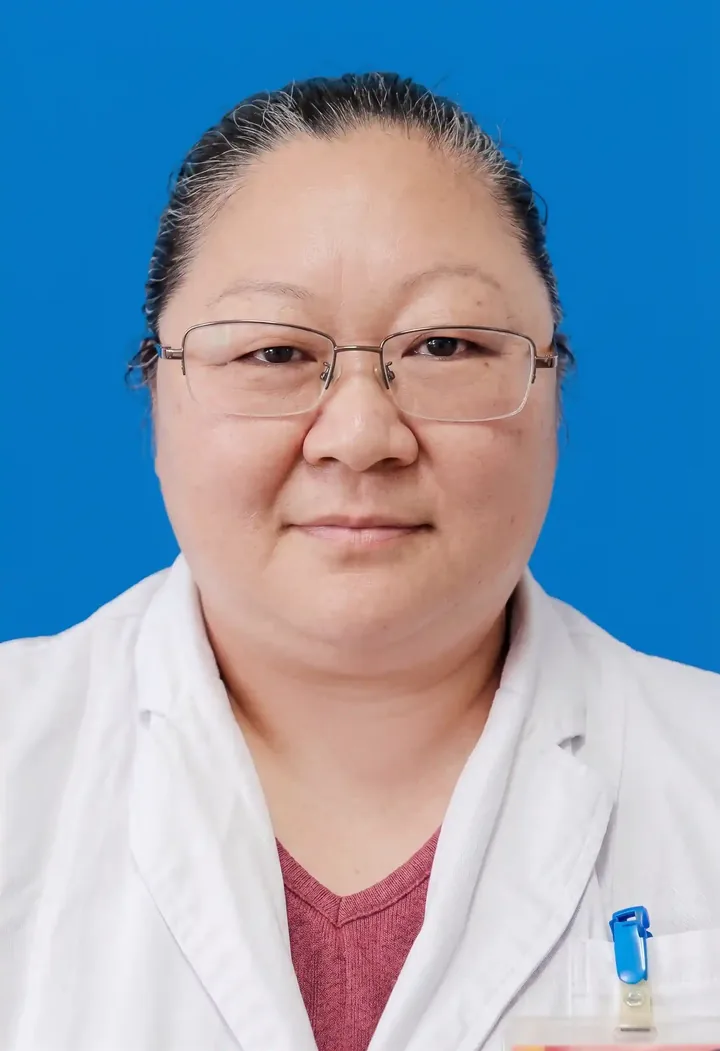
Integrated treatment of rheumatoid arthritis, ankylosing spondylitis, psoriasis and psoriatic arthritis, polymyositis, Sjögren’s, Behçet’s, lupus and systemic sclerosis.
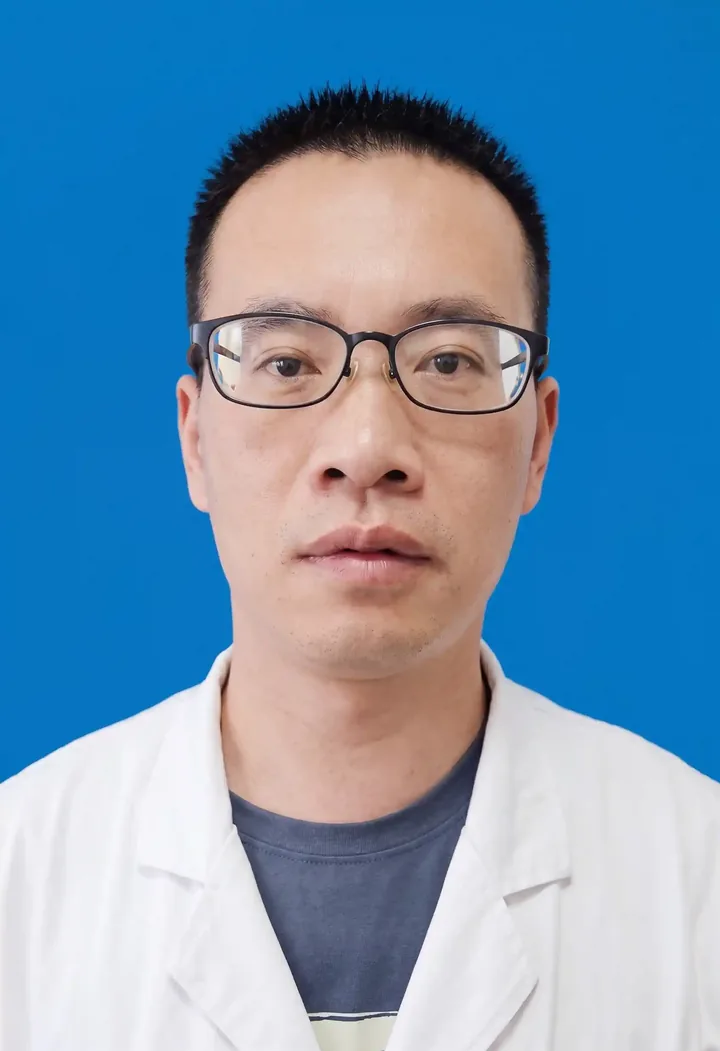
Extensive experience with rheumatoid arthritis, gout, ankylosing spondylitis and complex rheumatic disease.
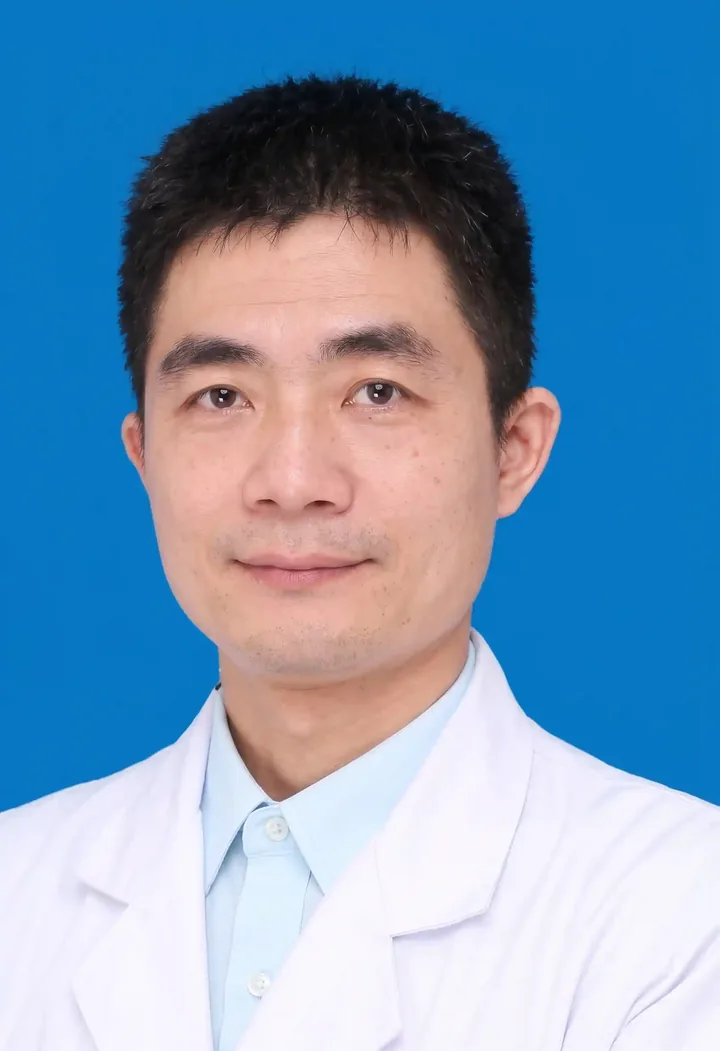
Integrated treatment of systemic sclerosis, lupus, rheumatoid arthritis and osteoarthritis.