
Cardiovascular Medicine: What Good Heart Care Actually Looks Like, Minute by Minute
From chest-pain triage to complex rhythm and structural intervention — how an integrated heart centre is organised, and what to ask before you commit.
Medically reviewed by the Cardiovascular Medicine team, Yiling Hospital · Reading time approx. 10 minutes
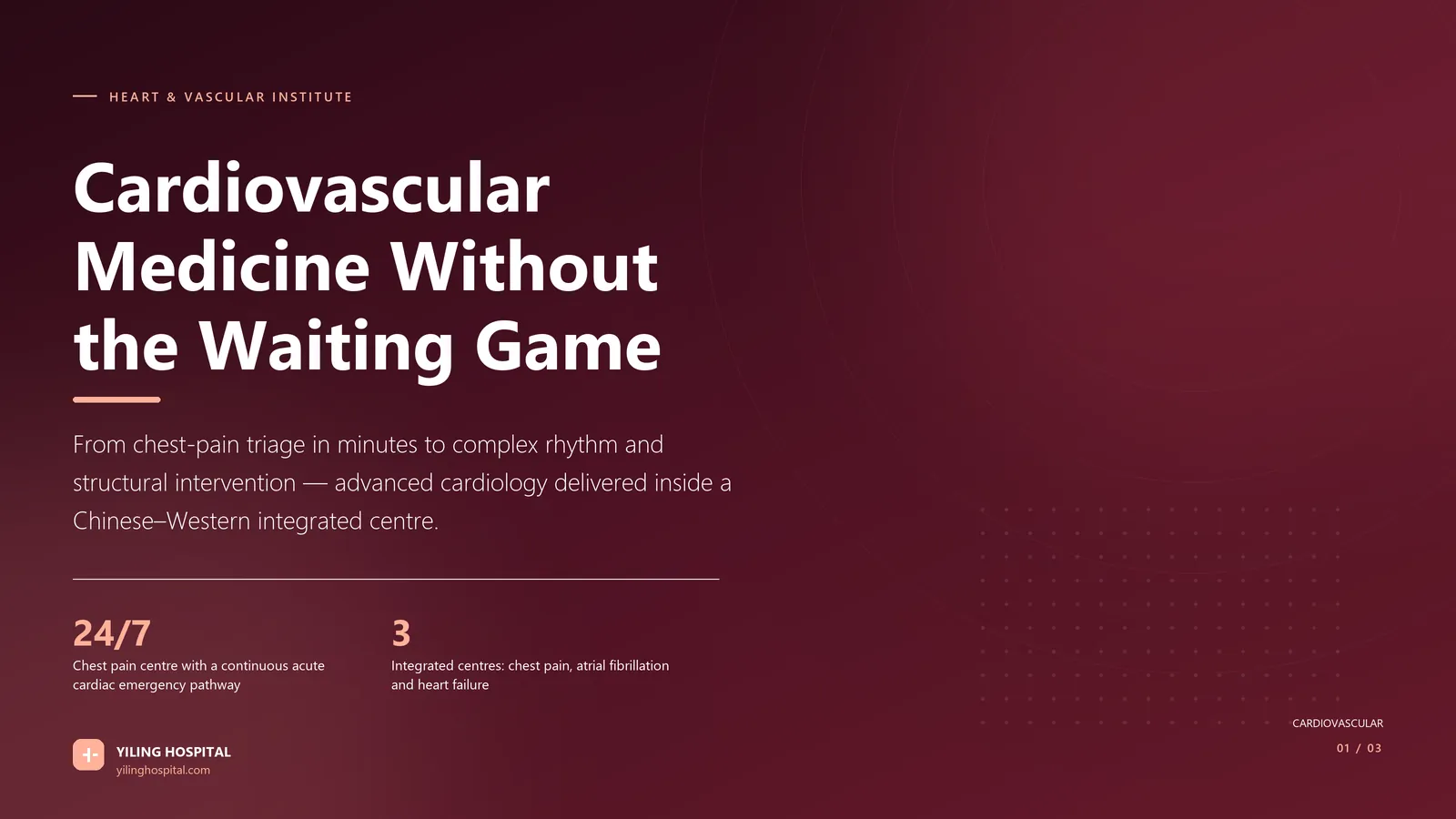
Cardiology is the specialty where minutes are most obviously currency. In a heart attack, myocardial muscle dies at a rate that can be measured, and the difference between a good and a mediocre department is often forty minutes. For everything else — rhythm disorders, valve disease, heart failure — the currency is different but the principle is the same: the quality of cardiovascular medicine is decided by process, not by equipment brochures.
This is a practical guide to what advanced cardiovascular medicine involves, what a well-organised heart centre does differently, and which questions separate a genuine capability from a marketing claim.
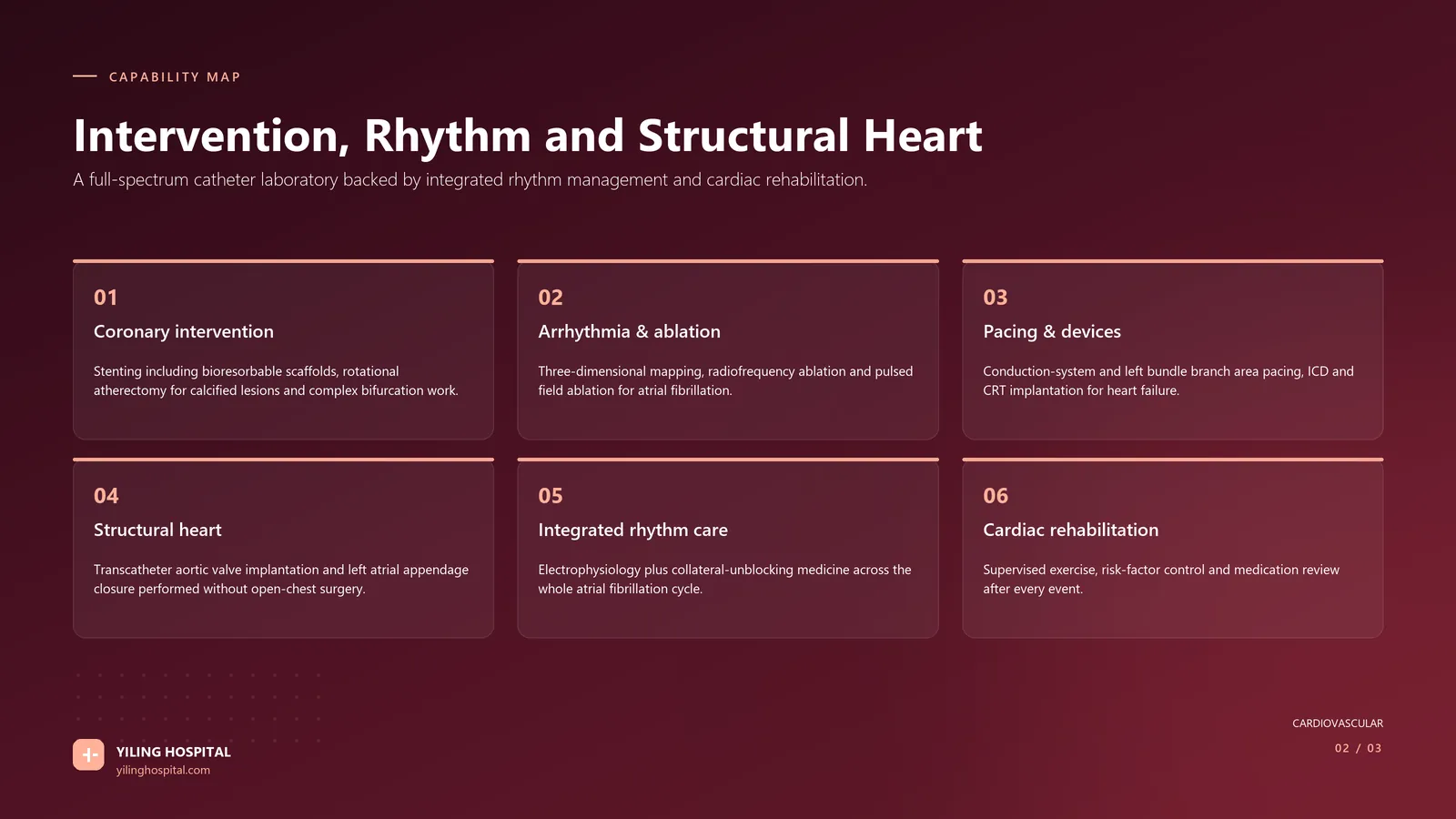
The First Sixty Minutes: Chest Pain as a System, Not an Emergency
Every hospital says it has an emergency department. Far fewer run a chest pain centre — a defined pathway that begins before the ambulance arrives and ends with a decision, not a waiting room.
In a functioning pathway, an electrocardiogram is acquired and interpreted within ten minutes of presentation. High-sensitivity troponin is drawn immediately and repeated on a protocolised interval. A patient with ST-elevation is transferred to the catheter laboratory on a single call, with the team assembling in parallel rather than in sequence. Patients with a non-diagnostic trace are not discharged to ‘come back if it gets worse’ — they are risk-scored, observed, and either stress-tested or imaged.
Ask a centre for its median door-to-balloon time for ST-elevation myocardial infarction, and ask whether that figure includes patients who arrived out of hours. A centre that cannot produce the number does not measure it; a centre that quotes only in-hours data is telling you the answer anyway.
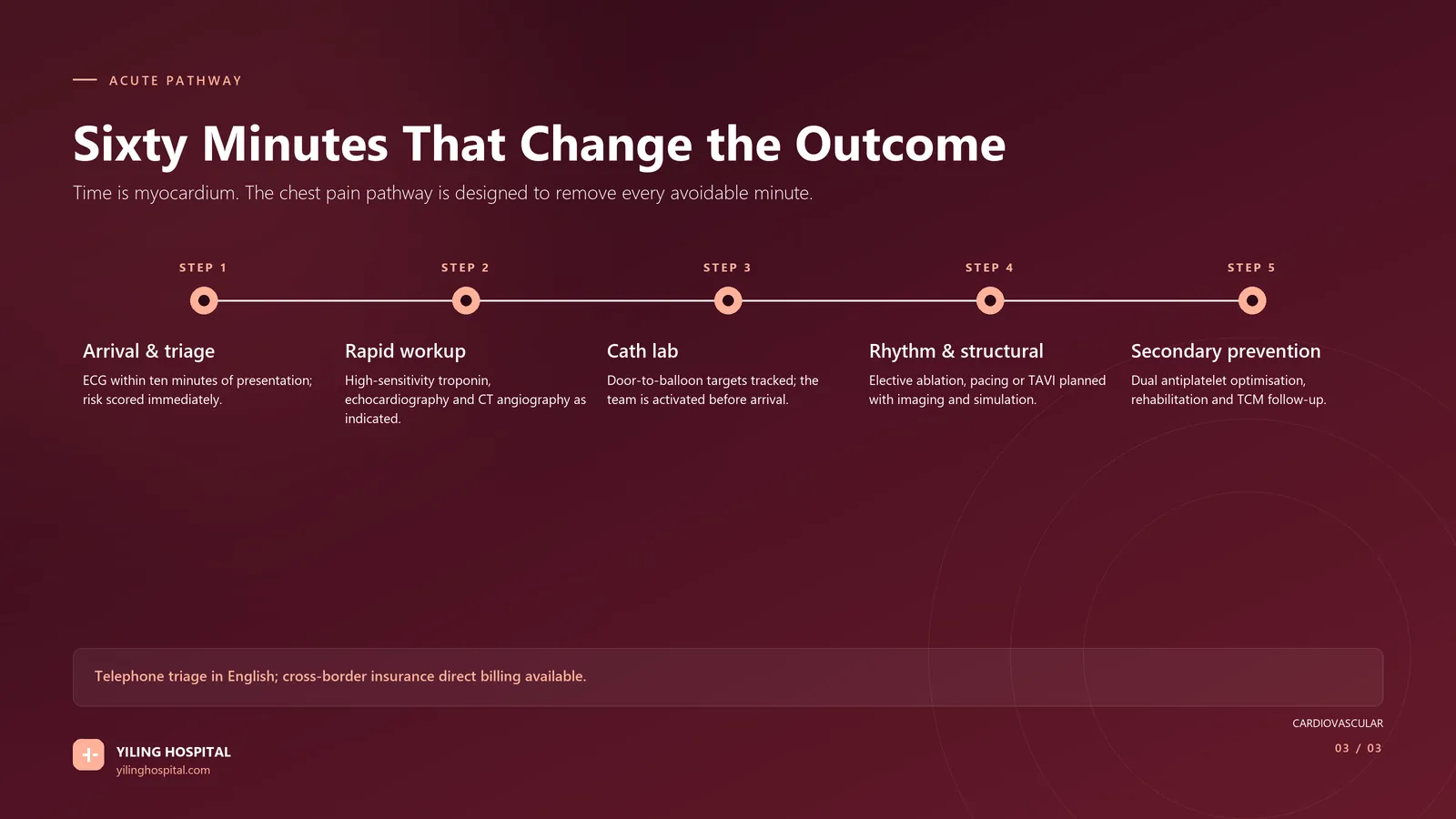
Coronary Intervention: Beyond Putting in a Stent
Angioplasty and stenting is one of the most common procedures in medicine, which is precisely why the differences between operators are easy to miss and important to understand. Opening a vessel is straightforward. Deciding which vessel, how much of it, and whether the patient actually benefits is the specialty.
Physiology before anatomy
A narrowing that looks severe on angiography does not always restrict flow. Pressure wire assessment (FFR and iFR) measures whether a lesion is genuinely limiting, and prevents stenting of plaques that would never have caused an event. Intravascular imaging with IVUS or OCT shows plaque composition, calcium distribution and stent expansion — the three things that most often determine whether a stent fails later.
Calcified and complex lesions
Hard, calcified coronary arteries resist balloon expansion and cause stent under-expansion. Rotational atherectomy, intravascular lithotripsy and cutting-balloon techniques modify the calcium first, so the stent can be deployed properly. This is the difference between a centre that treats simple lesions well and one that can treat the patients other centres decline.
Bioresorbable scaffolds and bifurcation work
For selected patients — particularly younger patients with a single focal lesion — bioresorbable scaffolds provide temporary support that is absorbed over time, leaving no permanent metal. Bifurcation disease requires a specific two-stent strategy chosen before the first wire goes in, not improvised afterwards.
Rhythm Disorders: Getting the Electrical System Right
Atrial fibrillation is the most common sustained arrhythmia and the one where the gap between what is possible and what is offered is widest. A centre that treats it well does four things: finds it early, characterises the substrate, offers rhythm control where appropriate, and manages stroke risk independently of symptoms.
Ablation
Three-dimensional electroanatomical mapping builds a model of the chamber so that ablation lesions are placed by anatomy and voltage rather than guesswork. Radiofrequency ablation remains the workhorse. Cryoballoon ablation offers faster pulmonary vein isolation with a different safety profile. Pulsed field ablation — which destroys myocardial tissue with short high-voltage pulses while largely sparing the oesophagus and phrenic nerve — has changed the risk conversation for many patients, and requires a centre that has invested in both the generator and the training.
Integrated rhythm management
Some centres now combine electrophysiological intervention with Chinese medicine formulas that target microcirculatory and collateral function, on the reasoning that atrial fibrillation has both an electrical trigger and a substrate shaped by inflammation, fibrosis and vascular health. This is a genuinely distinctive approach rather than a marketing line — but it should be presented as complementary, with anticoagulation and stroke-risk management decided on standard criteria.
Ask whether the centre calculates and records CHA₂DS₂-VASc and HAS-BLED scores for every patient, and whether ablation decisions are made at a multidisciplinary meeting. Rhythm control without stroke-risk management is half a treatment plan.
Devices: Pacing That Follows Natural Conduction
Pacemaker technology has moved from ‘capture the ventricle’ to ‘mimic the heart’s own conduction system’. Conduction system pacing and left bundle branch area pacing place the lead on the heart’s intrinsic conduction pathway rather than the ventricular muscle, producing more physiological contraction and reducing the risk of pacing-induced cardiomyopathy over years.
For patients with reduced ejection fraction and a widened QRS, cardiac resynchronisation therapy can improve both symptoms and survival. For those at risk of sudden death, an implantable cardioverter-defibrillator is the intervention with the clearest evidence base in cardiology. A centre should be able to explain not just which device, but why that device for that patient, and what the follow-up schedule will be for the next decade.
Structural Heart: Treating Valves Without Opening the Chest
Transcatheter aortic valve implantation has moved from a last resort for inoperable patients to a standard option for a much wider group, including younger and intermediate-risk patients. The procedure is only as good as the planning behind it: CT sizing of the annulus, assessment of access vessels, and a heart team decision about surgical versus catheter-based replacement.
Left atrial appendage closure offers an alternative to lifelong anticoagulation for patients with atrial fibrillation who cannot tolerate it — a decision that requires honest discussion of what the device does and does not do.
Table 1 — Common cardiovascular procedures and the decision behind each
| Procedure | What it involves | The decision that actually matters |
|---|---|---|
| Coronary angioplasty and stenting | Balloon expansion and stent placement in a narrowed coronary artery via the wrist or groin | Whether the lesion is flow-limiting on physiology testing, and whether medical therapy alone would achieve the same outcome |
| Rotational atherectomy / lithotripsy | Calcium modification before stenting in heavily calcified arteries | Whether the centre has the tools and the volume to treat complex calcium rather than referring it out |
| Radiofrequency or cryoablation | Catheter-based isolation of pulmonary vein triggers using 3D mapping | Substrate characterisation, not just trigger ablation; and independent stroke-risk management |
| Pulsed field ablation | Non-thermal, tissue-selective ablation using high-voltage pulses | Generator availability, operator experience, and appropriate patient selection |
| Conduction system / LBB area pacing | Pacemaker lead placed on the heart’s intrinsic conduction pathway | Likelihood of long-term pacing dependency and baseline ventricular function |
| CRT and ICD implantation | Biventricular pacing or defibrillator therapy for heart failure and sudden-death risk | Ejection fraction, QRS morphology and life expectancy — not device brand |
| TAVI | Catheter-delivered aortic valve replacement without sternotomy | Heart team agreement, CT annular sizing and access-vessel assessment |
| Left atrial appendage closure | Device occlusion of the appendage to reduce stroke risk | Whether the patient genuinely cannot take anticoagulation long term |
Heart Failure: The Condition That Tests a Whole System
Heart failure is where cardiology stops being about procedures. Four drug classes now form the foundation of treatment for reduced-ejection-fraction heart failure, and each of them reduces mortality — yet they are consistently under-prescribed and under-titrated, often because nobody owns the follow-up.
A structured heart failure service does four things: initiates all four pillars early, titrates to target or maximum tolerated dose on a schedule, treats congestion with a defined diuretic plan, and enrols the patient in rehabilitation. It also screens for the reversible contributors — ischaemia, valve disease, uncontrolled hypertension, sleep apnoea, thyroid disease, alcohol and iron deficiency.
Chinese and Western Medicine: Where Integration Is Defensible
Cardiovascular integration is credible where it addresses a mechanism rather than replacing a proven therapy. The strongest examples are microcirculatory dysfunction and the collateral circulation in chronic coronary disease, symptom burden in heart failure with preserved ejection fraction, and rhythm stabilisation alongside ablation.
It is not credible when herbal therapy is offered instead of reperfusion in an acute infarction, instead of anticoagulation in atrial fibrillation, or instead of guideline therapy in heart failure. An integrated department should be able to state clearly which of its components are supported by trial evidence and which are supported by experience — and should not conflate the two.
Hypertension and Lipids: The Unglamorous Half of Cardiology
Nobody travels across a border for blood pressure management. Yet hypertension and raised LDL cholesterol cause more strokes and infarctions than every structural procedure in this article combined — and they are the two conditions most often treated badly, because they produce no symptoms to motivate adherence.
Good management is unglamorous and specific: confirm the diagnosis with home or ambulatory monitoring rather than a single clinic reading; screen for secondary causes in young or resistant cases; choose a combination that a patient will actually take once daily; recheck renal function and potassium after starting an ACE inhibitor or ARB; and treat lipids to a risk-based target rather than a generic threshold.
Resistant hypertension — uncontrolled on three agents including a diuretic — deserves investigation, not a fourth drug. Missed secondary causes, non-adherence, white-coat effect and sleep apnoea account for most of it, and each has a different fix.
Recovery: Rehabilitation Is Treatment, Not Aftercare
Cardiac rehabilitation reduces cardiovascular mortality and rehospitalisation, and remains one of the most under-used interventions in the field. A programme should include supervised exercise with a prescribed intensity, risk-factor management, structured education, and medication review with adherence support.
Secondary prevention is where a heart centre’s quality becomes visible years later: is the patient still on dual antiplatelet therapy for the correct duration, is the statin at high intensity, is blood pressure at target, has smoking genuinely stopped, and has the family been screened where relevant.
Frequently asked questions
Chest pain that is central, pressure-like, radiating to the jaw, arm or back, associated with sweating, breathlessness or nausea, or that occurs at rest or wakes you from sleep, requires emergency assessment. Pain that is clearly reproduced by movement or pressing on the chest wall is less likely to be cardiac but does not exclude it. When in doubt, be assessed — the cost of an unnecessary ECG is small.
Angioplasty opens the artery from inside with a balloon and stent through a catheter. Bypass surgery creates a new route around the blockage using a graft, and requires opening the chest. For single or two-vessel disease, angioplasty is usually preferred. For complex three-vessel disease or left main disease — particularly with diabetes — bypass may offer better long-term outcomes. The decision belongs to a heart team, not to whichever specialist you happen to see first.
It is a treatment, not a guaranteed cure. Pulmonary vein isolation substantially reduces arrhythmia burden and improves symptoms and quality of life for many patients, but a proportion require a second procedure, and some develop recurrence years later as the atrial substrate progresses. Anticoagulation decisions are based on stroke risk, not on whether the rhythm has been controlled.
Often yes, with preparation. Calcium modification techniques — rotational atherectomy, intravascular lithotripsy, cutting balloons — allow stents to be deployed properly in vessels that would otherwise resist expansion. The limiting factors are operator experience, equipment availability and the overall anatomy rather than calcium alone.
TAVI replaces the aortic valve through a catheter, usually via the femoral artery, without opening the chest. Candidacy depends on valve anatomy, the size and tortuosity of access vessels, other medical conditions and expected longevity. Assessment requires CT imaging and a heart team decision, and should include an honest comparison with surgical replacement where both are possible.
After an uncomplicated angioplasty via the wrist, most patients are mobile within hours and discharged the same or next day, returning to desk work within a week. Pacemaker implantation typically requires one night of observation and restriction of arm movement for a few weeks. TAVI recovery is measured in days; surgical valve replacement in weeks to months. Ablation usually requires one to two nights in hospital.
The takeaway
Good cardiovascular medicine is visible in process: a ten-minute ECG, a measured door-to-balloon time, physiology-guided stenting, independent stroke-risk assessment, four-pillar heart failure therapy titrated on a schedule, and a rehabilitation programme that actually enrols patients. Ask for those numbers. A centre that can produce them is a centre that has thought about the patient journey rather than the waiting list.
Arrange a cardiology consultation
Send your ECG, echocardiogram report, angiography images and current medication list for review before travelling.
Yiling Hospital · Cardiovascular Department · Shijiazhuang, Hebei, China
Medical disclaimer: this article is educational and does not constitute medical advice, diagnosis or a treatment recommendation. Cardiac symptoms require prompt in-person assessment. Treatment suitability can only be determined by a qualified clinician reviewing an individual patient’s records.
Department experts
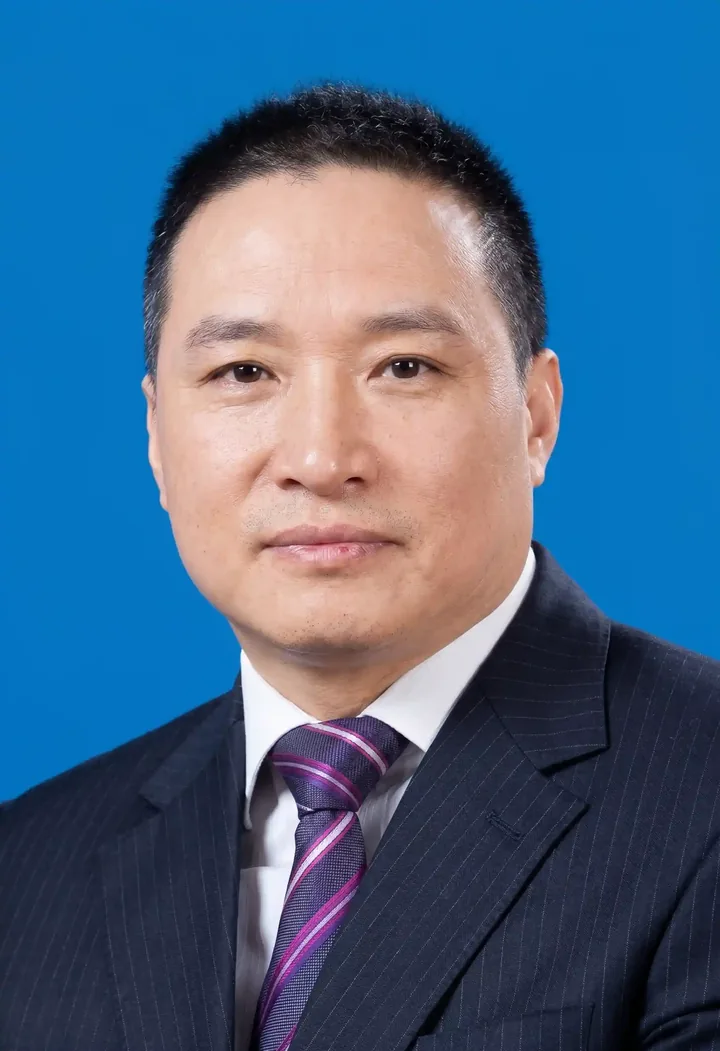
Applies collateral-disease theory and joint heart–lung treatment: coronary disease (especially post-PCI angina), tachy- and brady-arrhythmias such as premature beats, AF and sick sinus…
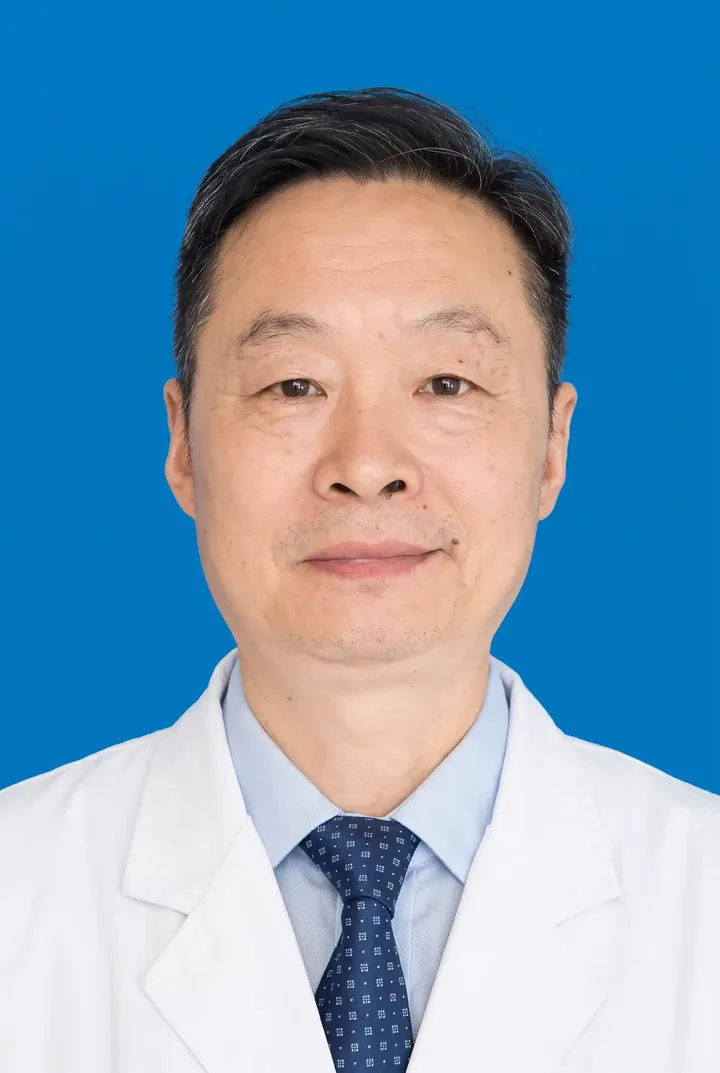
Standardized diagnosis and optimized drug therapy for coronary disease, acute MI, hypertension, arrhythmia, heart failure, hyperlipidemia, syncope, aortic dissection and VTE/PE…
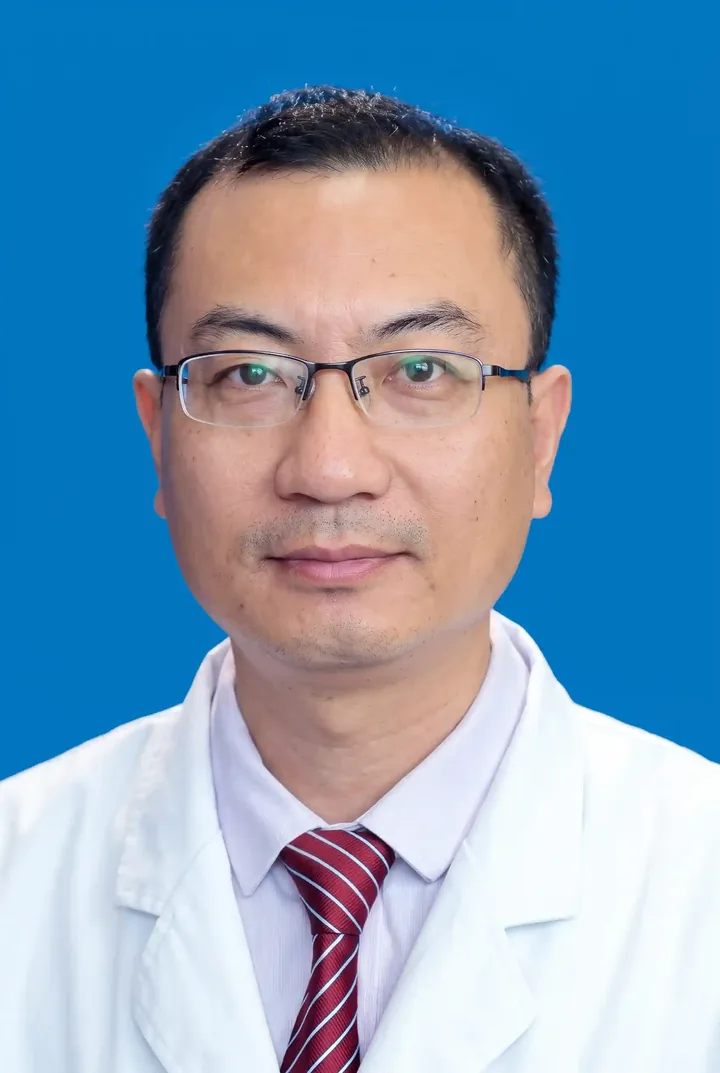
Integrated Chinese–Western treatment of angina, acute MI, arrhythmias, heart failure, hypertension, hyperlipidemia and cardiomyopathy. Skilled in coronary angiography, stenting and…
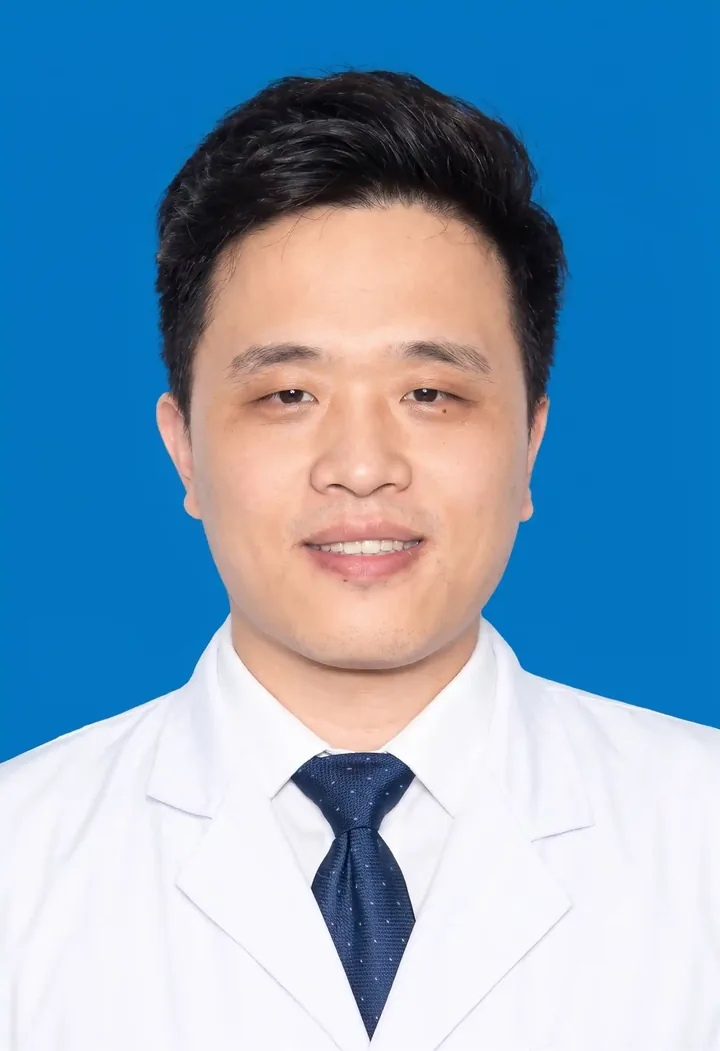
Integrated diagnosis and treatment of coronary disease, arrhythmia, heart failure and hypertension.
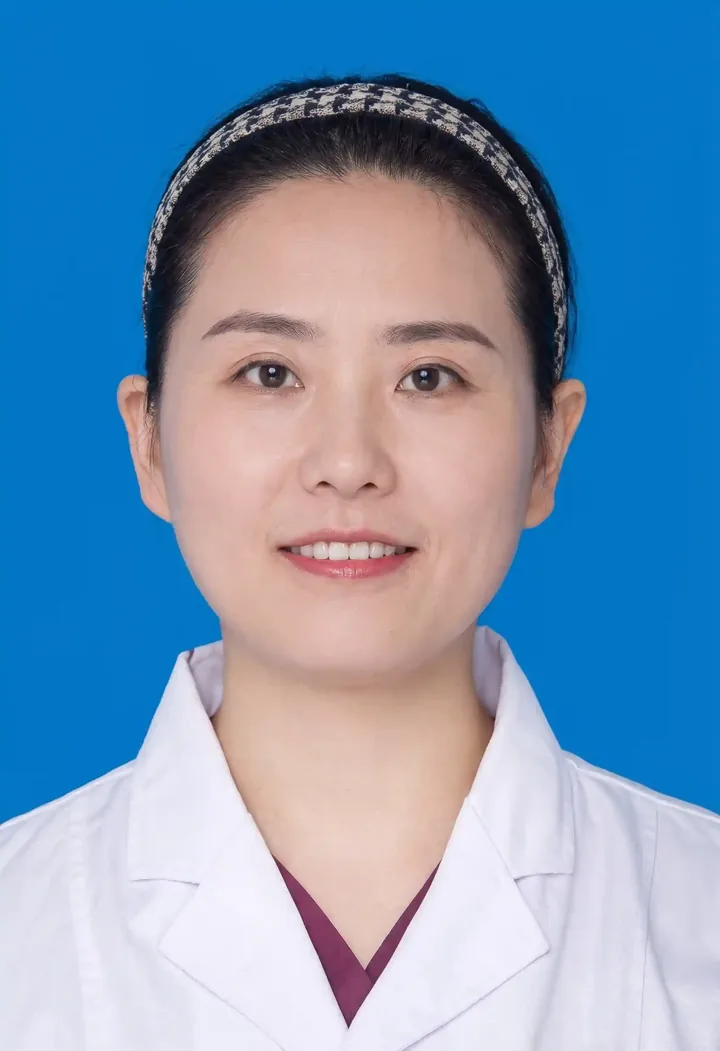
Arrhythmias, heart failure, hypertension, hyperlipidemia and other cardiovascular conditions.
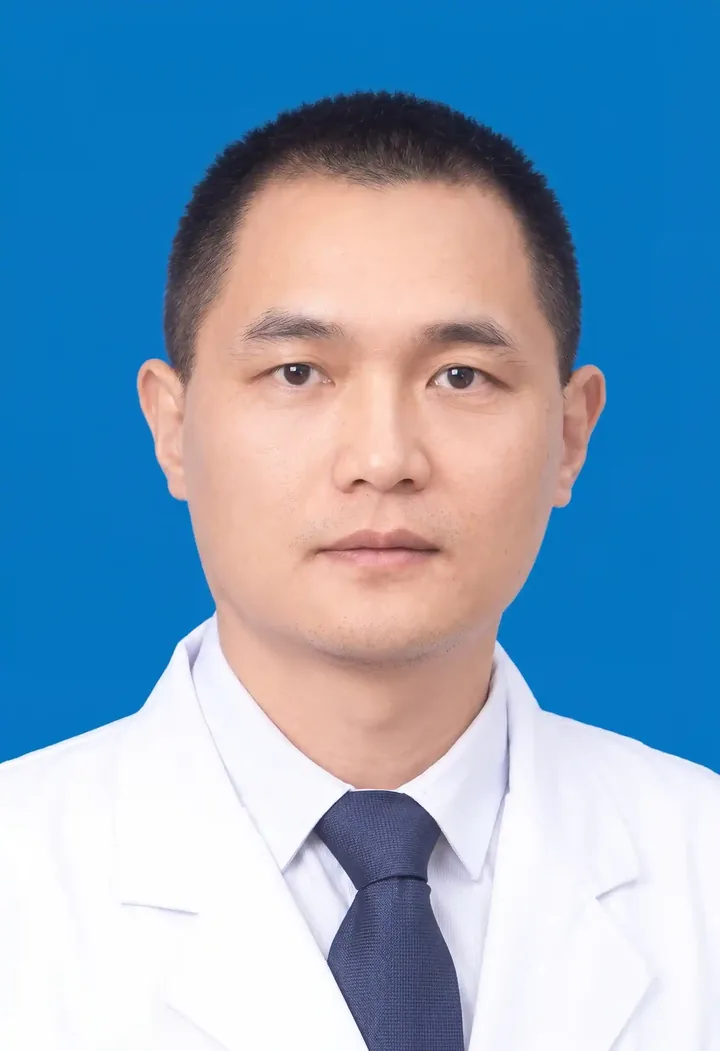
Common cardiovascular diseases, with particular expertise in arrhythmia: AF cryoablation, radiofrequency ablation for SVT, AF/flutter and PVCs, and implantation of single/dual-chamber…
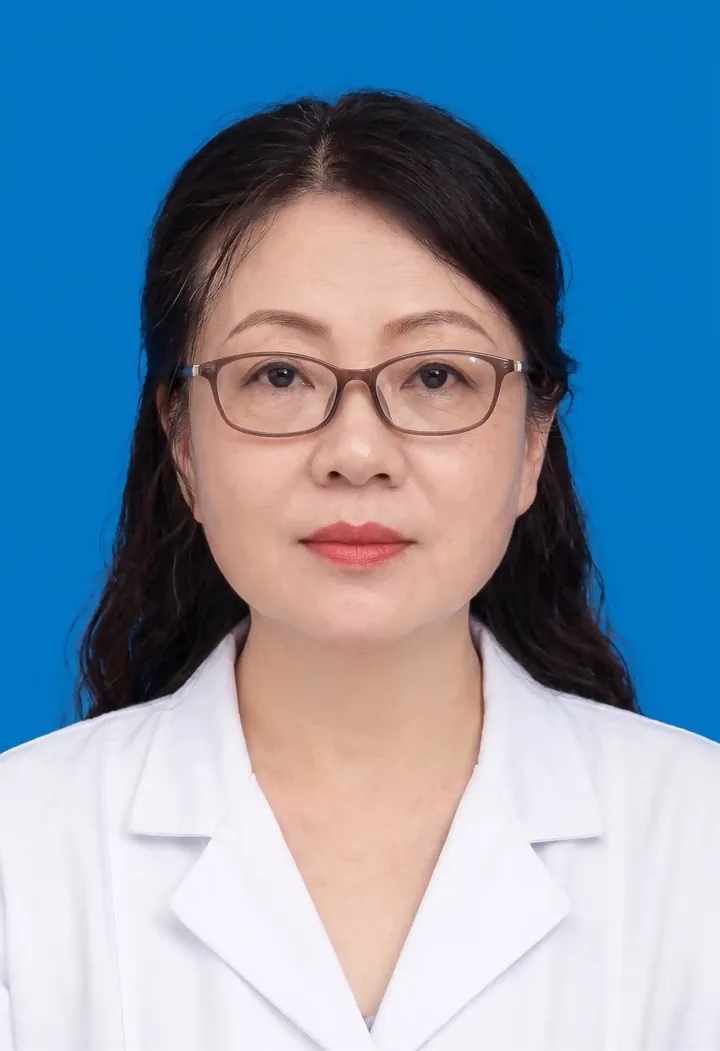
Uses collateral-disease theory to guide integrated care of coronary disease, post-PCI MI, arrhythmias, chronic heart failure, hypertension and hyperlipidemia.
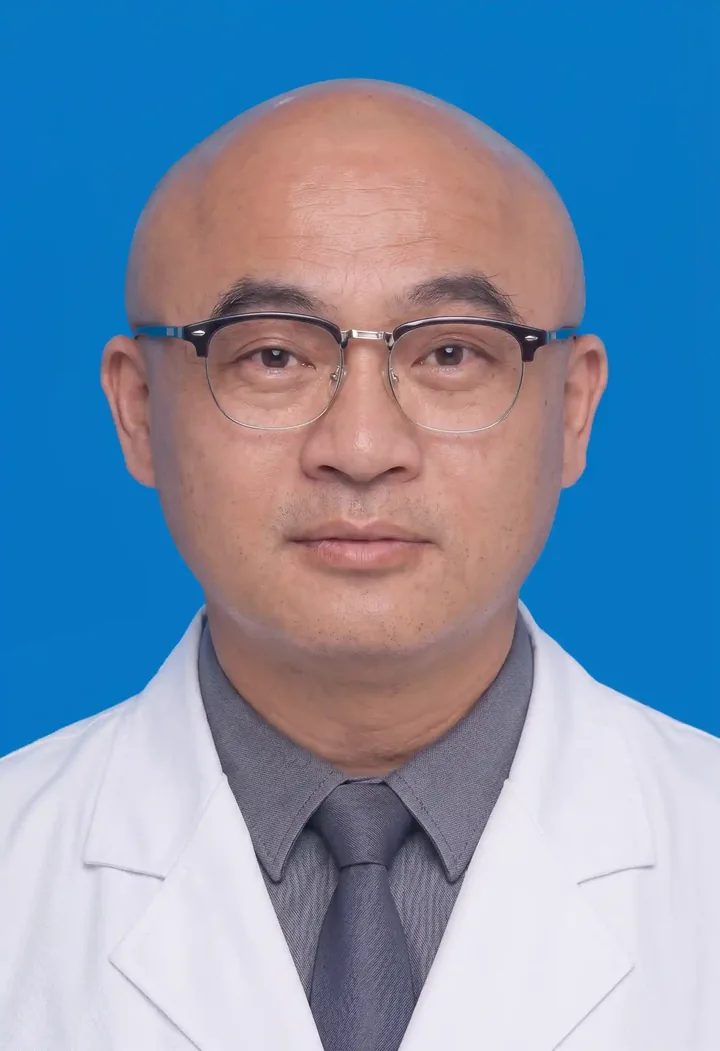
Complex coronary intervention including bifurcation, left-main and calcified lesions; proficient with IVUS, FFR, OCT and IABP, rotational atherectomy and shockwave balloon.
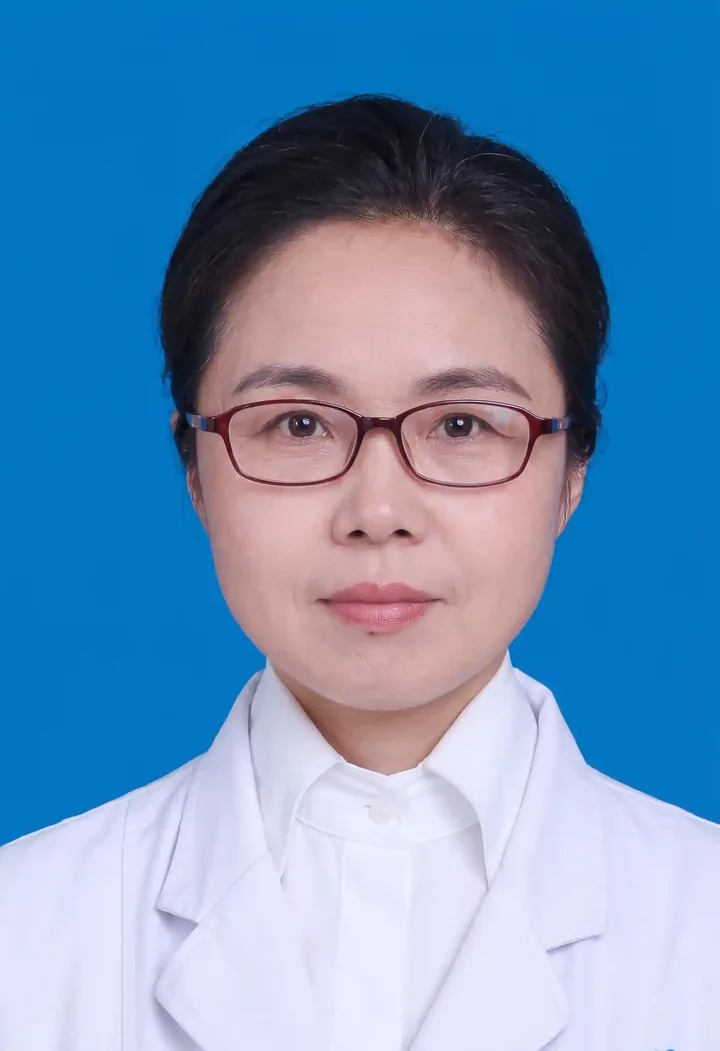
Integrated treatment of hypertension, coronary disease, heart failure, arrhythmias and structural heart disease, plus migraine and shingles, using herbal medicine, acupuncture, moxibustion…
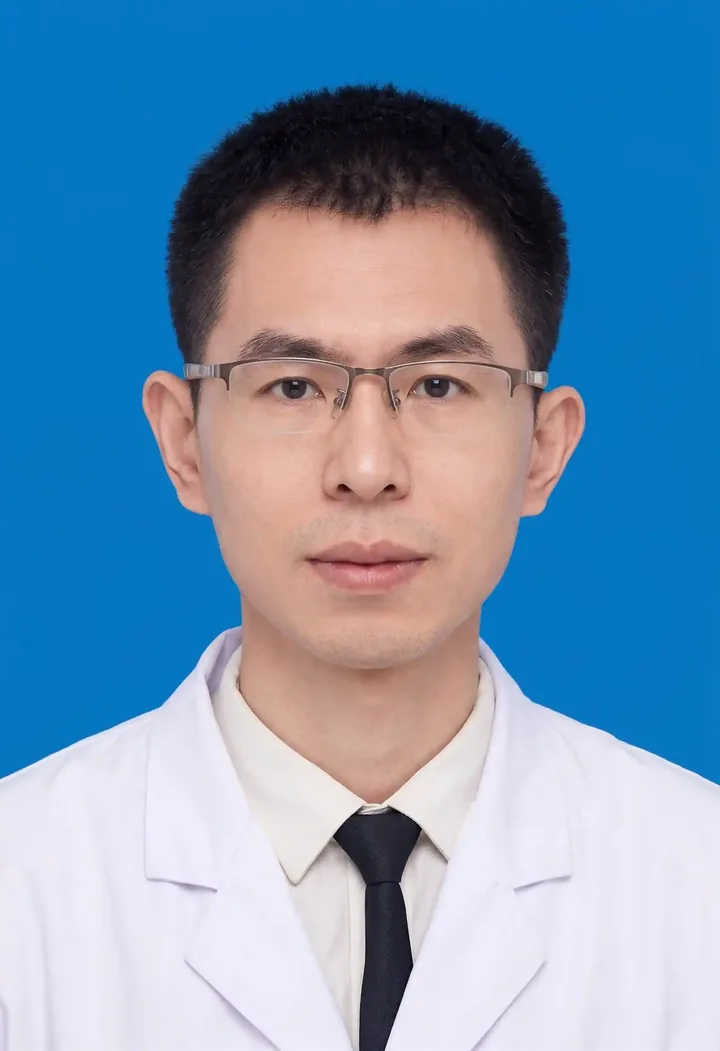
Complex coronary intervention, including the Szabo technique for ostial lesions, acute left-main occlusion, and PCI in centenarians and uremic patients. Also performs ablation, pacemaker…
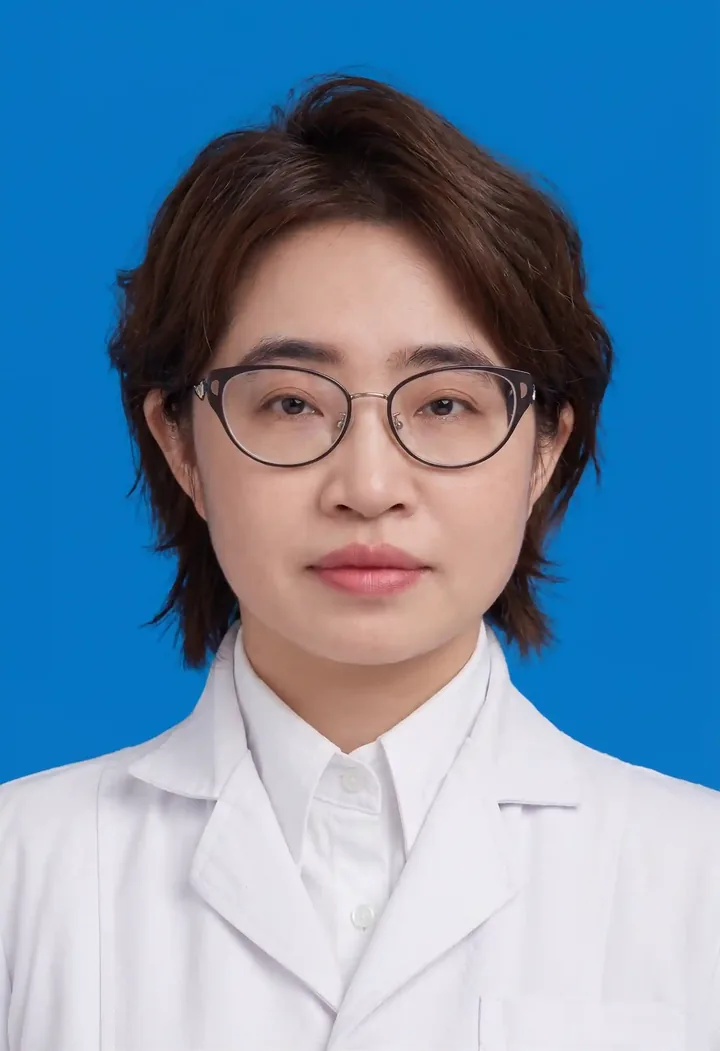
Integrated treatment of angina, acute MI, arrhythmias, heart failure, hypertension, hyperlipidemia and cardiomyopathy.