
Oncology Care in China: How an Integrated Cancer Centre Builds a Plan Around One Patient
Precision radiotherapy, minimally invasive tumour treatment and coordinated Chinese–Western medicine — sequenced by a single multidisciplinary team.
Medically reviewed by the Oncology team, Yiling Hospital · Reading time approx. 10 minutes
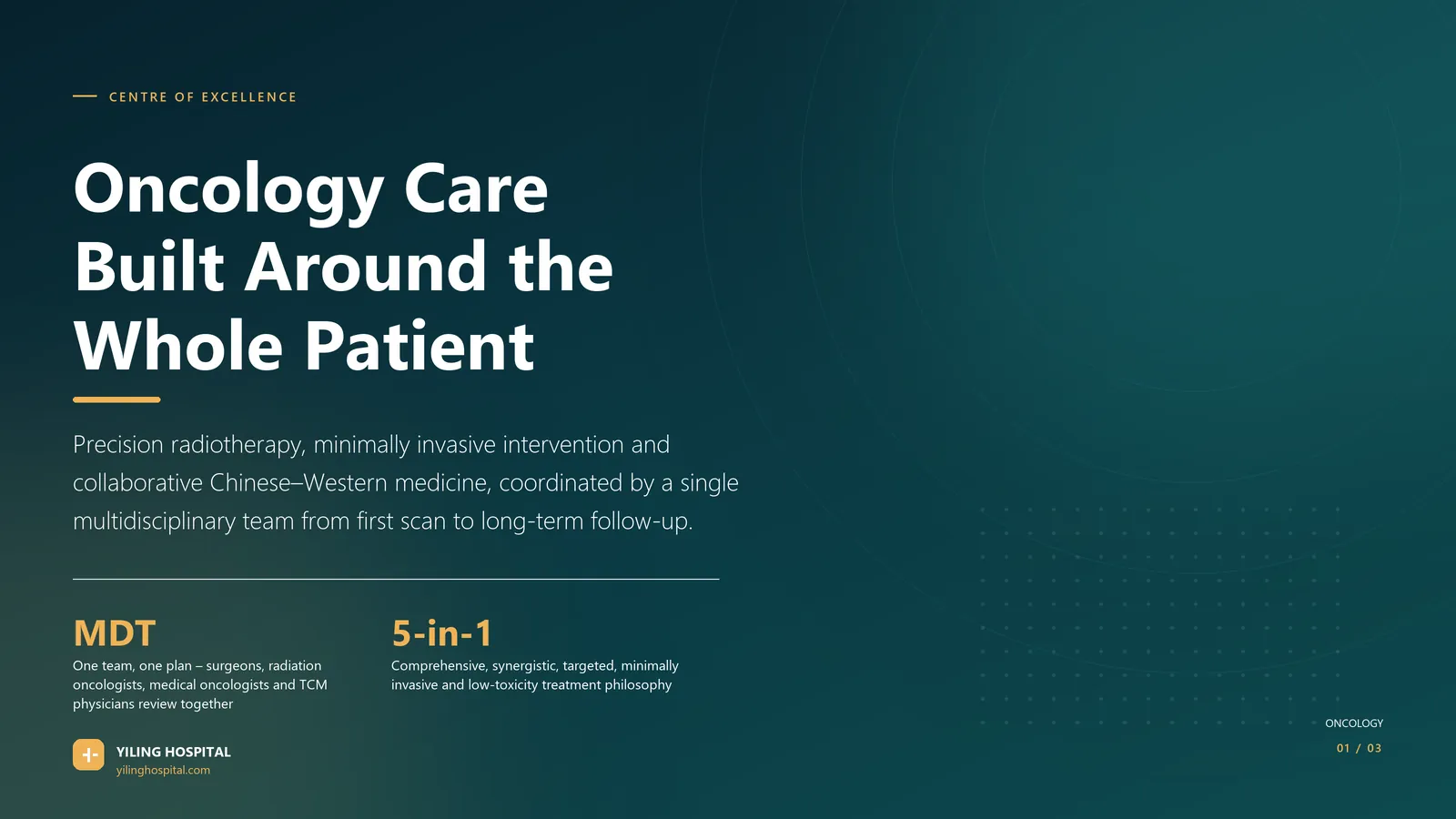
Most people arrive at an oncology department holding a folder: a CT report, a pathology slip, a discharge summary from a hospital that has already tried something. What they do not have is a plan they understand. That gap — between owning results and knowing what to do next — is where cancer outcomes are quietly decided, long before any drug is chosen.
Oncology care is not a single decision. It is a sequence: which imaging to repeat, whether to operate, when to irradiate, which systemic agent to start, how to keep the patient strong enough to finish. Get the order right and each treatment amplifies the next. Get it wrong and a patient spends six months recovering from a therapy that was never going to help.
This is the case for integrated oncology care — and the reason an increasing number of international patients look at cancer treatment in China not as a last resort but as a route to a second, more carefully reasoned opinion.
Why a Single Specialist Is Not Enough
A surgeon sees a tumour that can be resected. A radiation oncologist sees a volume that can be targeted. A medical oncologist sees a biology that can be inhibited. Each is correct, and each is incomplete. The patient lives at the intersection, and somebody has to stand there.
That somebody is a multidisciplinary tumour board: surgeons, radiation oncologists, medical oncologists, interventional radiologists, pathologists, imaging specialists and — in an integrated centre — Chinese medicine physicians, meeting over the same scans and agreeing on one sequence. The output is not a menu. It is a plan with an order, a rationale, and a defined point at which it will be reassessed.
Patients frequently arrive having been offered one modality in isolation. Review commonly produces a different sequence — neoadjuvant treatment before surgery, ablation instead of a second resection, or observation with tight surveillance where treatment would add toxicity without survival benefit.
The Six-in-One Model: How an Integrated Centre Structures Care
At Yiling Hospital the oncology department — a designated provincial specialty for Chinese medicine — organises treatment around six coordinated elements rather than six competing departments. The framework is described internally as comprehensive, synergistic, targeted, minimally invasive and low-toxicity care, and in practice it means the following.
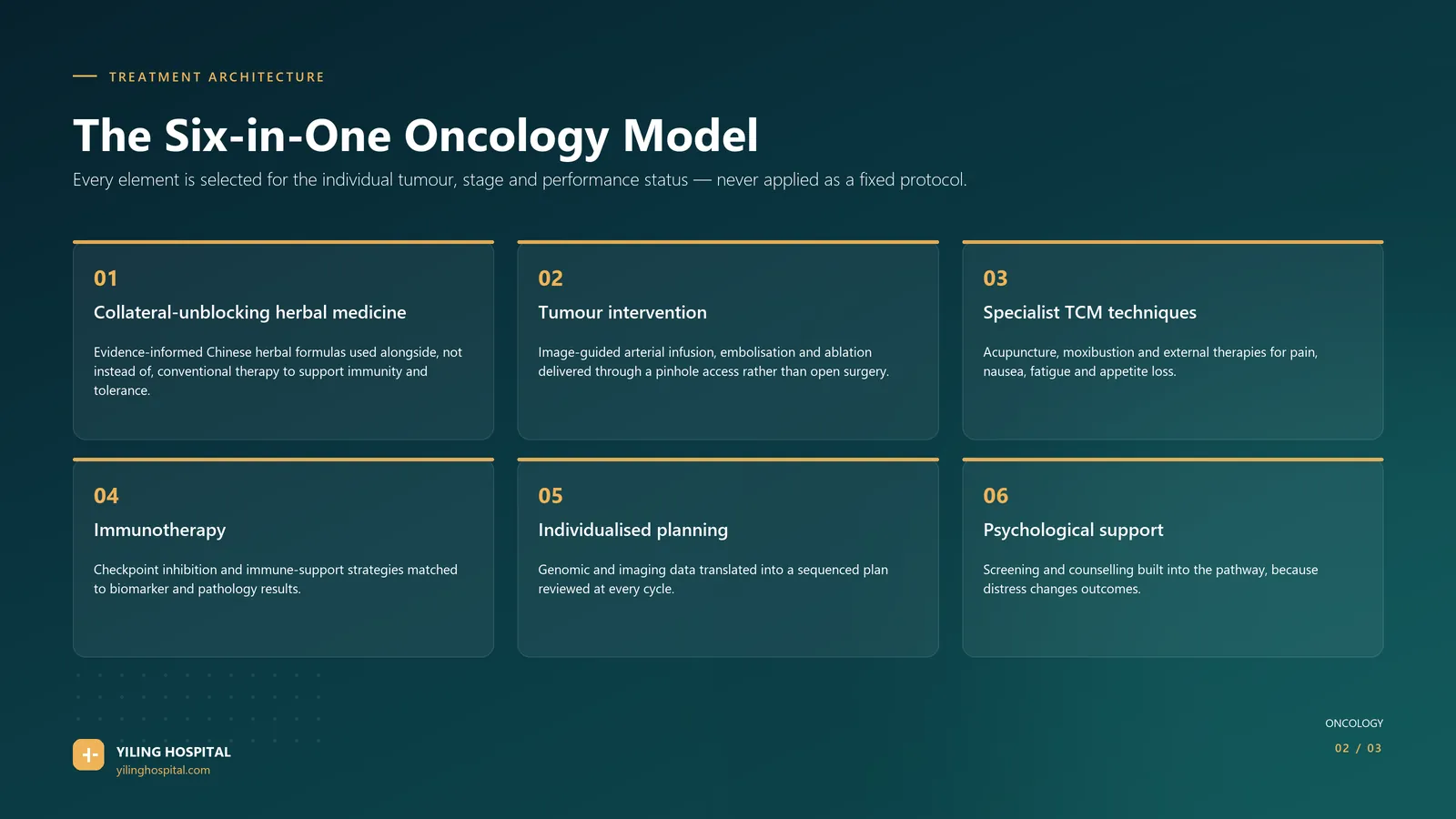
- Collateral-unblocking herbal medicine — Chinese herbal formulas used alongside, never instead of, conventional treatment, aiming to support immune function and tolerance of therapy.
- Tumour intervention — image-guided arterial infusion, embolisation and ablation delivered through a pinhole arterial or percutaneous access.
- Specialist Chinese medicine techniques — acupuncture, moxibustion and external therapies for pain, nausea, fatigue and appetite loss.
- Immunotherapy — checkpoint inhibition and immune-support strategies selected against pathology and biomarker results.
- Individualised planning — genomic, imaging and performance-status data translated into a sequenced plan reviewed at every cycle.
- Psychological support — screening and counselling built into the pathway, because distress measurably affects adherence and tolerance.
None of these is unusual on its own. What matters is that they are selected by one team against one set of images, and that the Chinese medicine component is documented and dosed like any other therapy rather than added as an afterthought.
Precision Radiotherapy: An Invisible Scalpel
Radiotherapy has changed more in the last fifteen years than in the previous fifty. The clinical question is no longer whether a tumour can be irradiated, but how tightly the dose can be wrapped around it while sparing the tissue that keeps a patient functioning — swallowing, hearing, breathing, walking.
The platforms that make this possible are now standard across advanced centres and available through the referral network an integrated hospital works with:
Table 1 — Radiotherapy and ablation platforms, and the problem each solves
| Platform | What it does | Where it is chosen |
|---|---|---|
| Stereotactic body radiotherapy (SBRT / CyberKnife-class) | Delivers very high dose per fraction with millimetre accuracy, tracking tumour motion in real time | Small, well-defined lesions in lung, liver, prostate, spine and brain metastases where surgery is not desirable |
| Helical tomotherapy and volumetric arc therapy (VMAT) | Rotational delivery with intensity modulation across the whole target volume | Complex, irregular or long targets; head and neck, oesophagus, post-operative beds |
| Image-guided and surface-guided linear accelerators (TrueBeam, Halcyon, HyperArc class) | Re-images the patient before every fraction so the plan follows the anatomy of the day | Any target adjacent to a critical structure; multiple brain metastases |
| AI-assisted adaptive radiotherapy (Ethos class) | Re-plans on the cone-beam image at treatment time as the tumour shrinks or organs fill differently | Bladder, prostate and pancreatic tumours where anatomy changes weekly |
| Brachytherapy and radioactive seed implantation (I-125) | Places the radiation source inside or immediately beside the tumour | Prostate cancer, cervical cancer, recurrent lesions in previously irradiated areas |
| Thermal ablation — radiofrequency, microwave, cryoablation | Destroys tumour by controlled heating or freezing through a needle | Liver, lung, kidney and bone lesions under 3–4 cm; patients who cannot tolerate surgery |
| Irreversible electroporation (NanoKnife) | Non-thermal cell destruction that spares collagen and large vessels | Tumours abutting bile ducts, portal vein or bowel where heat would cause fistula |
| Yttrium-90 microsphere radioembolisation | Delivers beta radiation through the hepatic artery directly into liver tumours | Intermediate and advanced hepatocellular carcinoma; liver-dominant metastases |
Platform availability varies by centre and by tumour type. Where a specific technology is not held on site, an integrated department refers within its partner network rather than substituting a less suitable modality.
Minimally Invasive Tumour Treatment: Working Through a Pinhole
A large part of oncology is now performed through a 2–3 mm puncture rather than an incision. For a patient who has already had major surgery, or whose lung function or liver reserve makes another operation dangerous, this is not a convenience — it is the difference between being treated and being managed palliatively.
Interventional oncology
Under imaging guidance, an interventional radiologist threads a catheter into the artery feeding a tumour and delivers chemotherapy or embolic particles directly into it. Transarterial chemoembolisation starves the lesion of blood while concentrating the drug where it is needed, and keeps systemic exposure — and therefore systemic side effects — comparatively low.
Ablation
Thermal ablation destroys a lesion in place: radiofrequency and microwave energy heat it, cryoablation freezes it, and irreversible electroporation opens permanent pores in tumour cell membranes without heat at all. Each has a specific anatomical territory, and choosing correctly between them is a matter of lesion size, proximity to vessels and bile ducts, and how much normal tissue must survive.
Seed implantation
Iodine-125 seeds — placed freehand under image guidance, or through a 3D-printed template that maps the target volume before the needles go in — deliver continuous low-dose radiation over months from inside the tumour. For prostate cancer and for recurrence in a previously irradiated field, this is often the only way to re-treat safely.
Where Chinese Medicine Fits in Modern Oncology
The honest answer is: not as a replacement, and not as decoration. In an integrated cancer centre, Chinese medicine has three defined jobs, and each is measurable.
- Symptom control. Acupuncture and herbal formulas for chemotherapy-induced nausea, pain, fatigue, insomnia and loss of appetite — the symptoms that cause patients to stop treatment early.
- Tolerance of conventional therapy. Supporting marrow function, appetite and physical reserve so that planned cycles are delivered at planned dose intensity. Dose reductions and delays are one of the commonest and least discussed reasons cancer treatment underperforms.
- Pain management within a defined ladder. The department uses the WHO three-step analgesic ladder with herbal and acupuncture support, escalating to opioid therapy when indicated rather than avoiding it.
What an integrated centre should never do is present herbal treatment as an alternative to surgery, radiotherapy or systemic therapy in a curable case. Any department that does is telling you something important about itself.
Ask what proportion of patients receive Chinese medicine alongside conventional treatment, and whether it is recorded in the same medical record. An integrated department answers both immediately. A marketing department does not.
What the First Two Weeks Look Like
For an international patient, the logistics matter as much as the medicine. A predictable sequence removes most of the uncertainty, and — just as importantly — tells you when to travel and when not to.
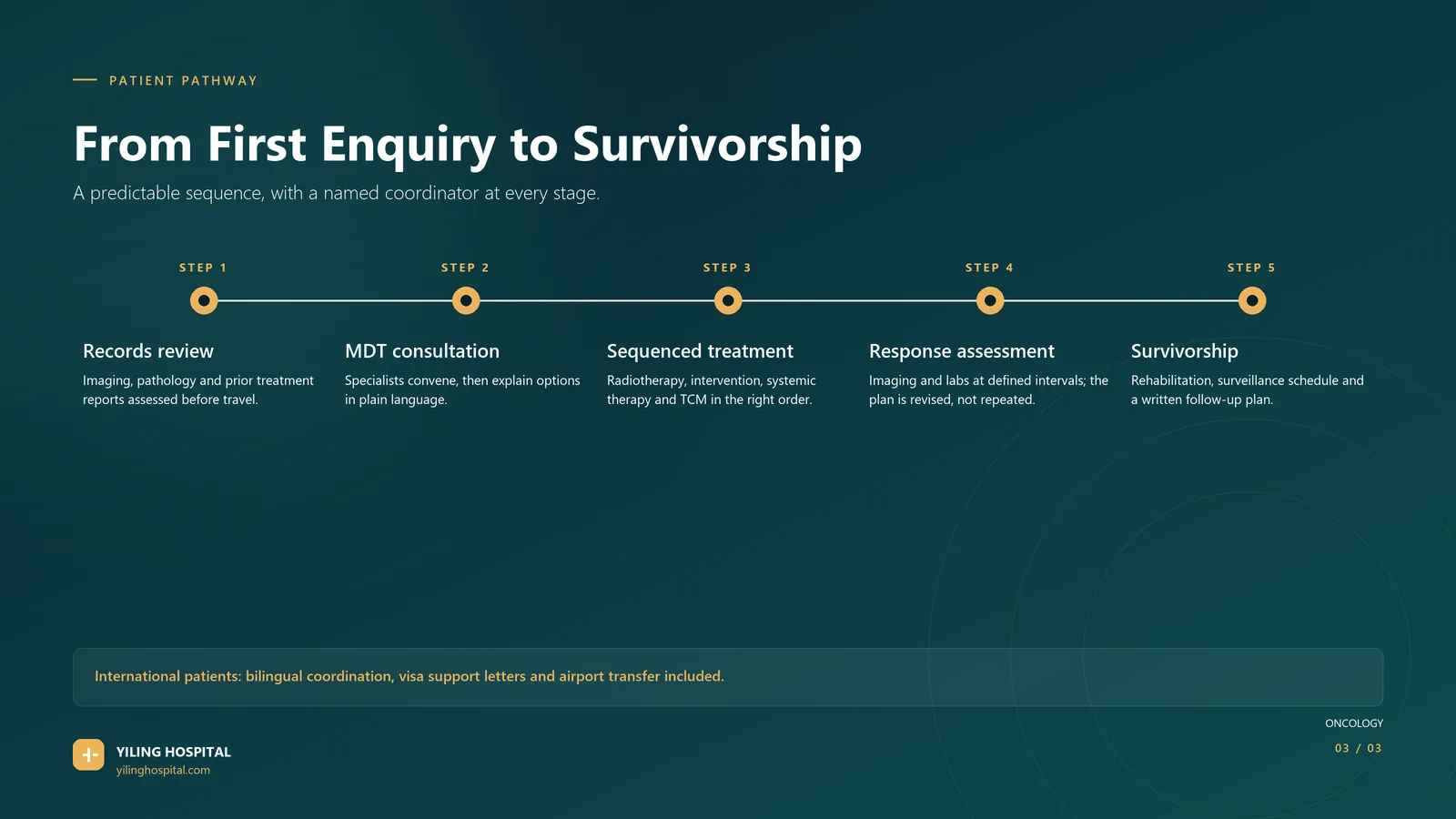
- Records review before travel — imaging on disc, pathology blocks and slides, treatment summaries and current medication are reviewed remotely so that travel is only booked when there is something to offer on arrival.
- Tumour board consultation — the team meets first, then meets you, with findings explained in plain language and a written plan you keep.
- Baseline re-staging — usually repeat imaging and bloodwork, because a plan built on three-month-old scans is a guess.
- Sequenced treatment — radiotherapy, intervention, systemic therapy and supportive care scheduled in the agreed order, with the schedule given to you in writing.
- Defined reassessment — a stated date at which imaging and labs decide whether to continue, escalate or change. No open-ended protocols.
Symptom Control Is Not a Side Issue
Patients rarely die of the first-line treatment. They deteriorate because pain prevents sleep, because nausea prevents eating, because six weeks of weight loss removes the reserve needed for the next stage. Symptom control is therefore not palliative care in the narrow sense — it is what allows curative-intent treatment to be completed.
A functioning oncology department treats pain on a schedule, not on request; screens for malnutrition and treats it; monitors for neuropathy, mucositis and febrile neutropenia with a written escalation route; and asks about mood, because untreated depression reduces adherence as reliably as any adverse event.
After Treatment: Rehabilitation and Surveillance
The end of active treatment is the point where many centres lose the patient. Cancer rehabilitation — graded exercise, swallowing and speech therapy after head and neck treatment, lymphoedema management, cognitive and fatigue programmes — determines whether someone returns to work or to a chair.
Surveillance should be written down: which scan, which tumour marker, at which interval, and what specifically would trigger a change of plan. A surveillance schedule that exists only in a doctor’s head is not a schedule.
Frequently asked questions
Yes, for selected cases. Large Chinese oncology centres treat substantial numbers of international patients, particularly from Southeast Asia, Central Asia and the Middle East, and provide English-language coordination, visa support documentation and interpretation. The realistic constraint is not access but fit: some advanced therapies are unavailable locally, and some patients are better served closer to home. A responsible centre will say so at the records-review stage.
Where complete records are supplied in advance, a tumour board opinion is typically available before travel is booked. A full baseline work-up and finalised plan usually requires the patient to be present, because imaging and pathology are normally repeated or reviewed on site.
It is a scheduled meeting of the specialists relevant to your case, who review the same imaging and pathology together and agree a sequence. It is most valuable where more than one modality could be used, where the tumour is rare or recurrent, or where previous advice was a single option offered in isolation.
No. In an integrated centre it is used alongside conventional treatment to control symptoms, support tolerance and improve quality of life. It is not a substitute for treatment with curative intent, and any practitioner who presents it as one should be treated with caution.
That is the commonest situation. Prior surgery, radiotherapy and systemic therapy are not obstacles — they are the data the next decision depends on. The critical questions are cumulative radiation dose to the area, prior drug exposure and current organ function, all of which determine what remains safely possible.
Costs vary widely with modality and duration, and no responsible estimate can be given without a plan. Ask for a written, itemised quotation covering imaging, procedures, bed days and medication, and confirm what happens financially if the plan changes mid-course — which, in oncology, it often does.
The takeaway
Oncology care rewards sequence over speed. The centre worth choosing is the one that repeats your imaging before planning, puts more than one specialist in the room, writes the plan down, and tells you in advance when it will be reassessed. Everything else — the machines, the beds, the brochures — is downstream of that discipline.
Request a multidisciplinary review
Send imaging reports, pathology and a treatment summary for a tumour board opinion before you travel.
Yiling Hospital · Oncology Department · Shijiazhuang, Hebei, China
Medical disclaimer: this article is educational and does not constitute medical advice, diagnosis or a treatment recommendation. Treatment suitability can only be determined by a qualified clinician reviewing an individual patient’s records. Outcomes vary between patients; no specific result is promised or implied.
Department experts
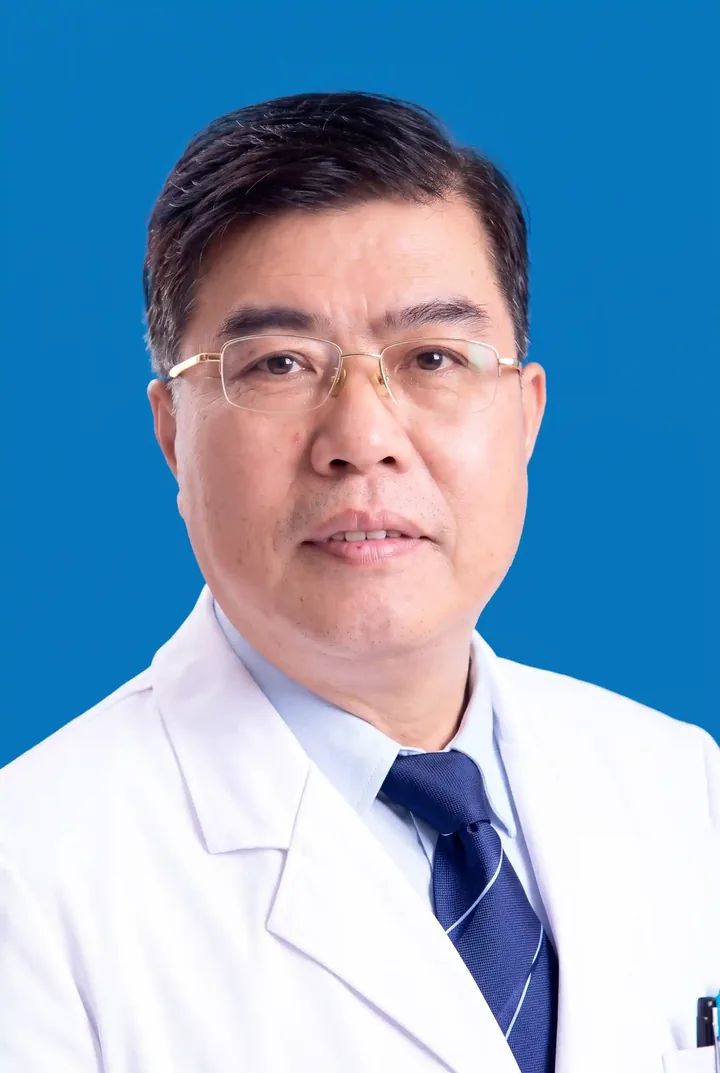
Integrated treatment of lung, liver, esophageal, gastric, pancreatic, colorectal and gynecological cancers, and cancer pain.
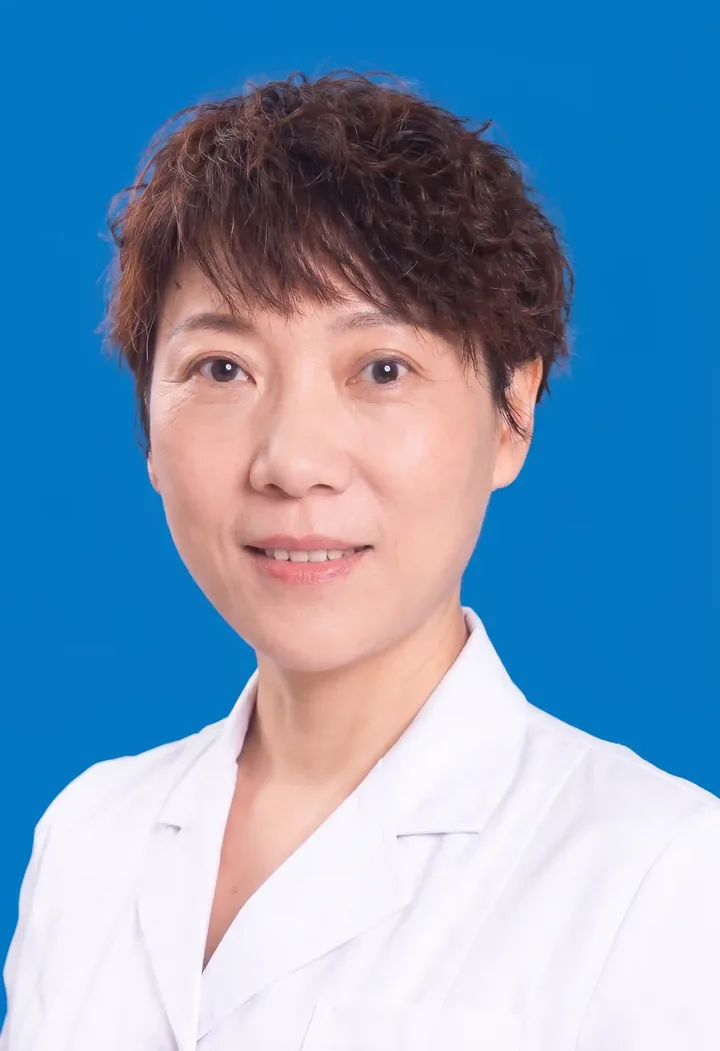
High-intensity focused ultrasound (HIFU) for uterine fibroids, adenomyosis and abdominal/pelvic solid tumors such as liver and pancreatic cancer.
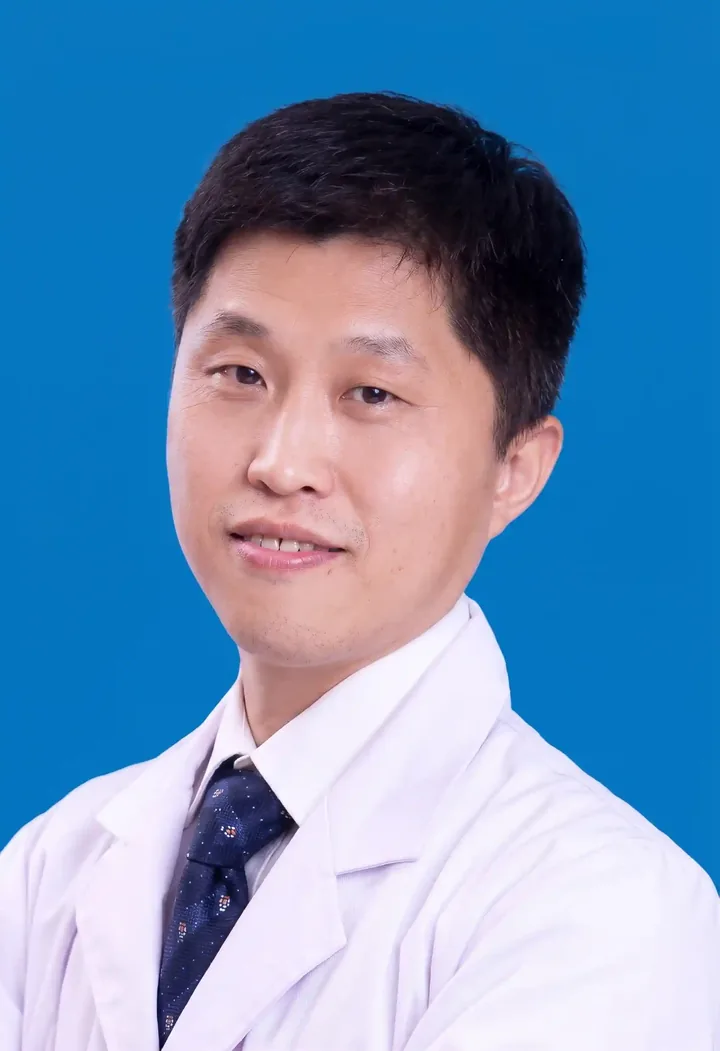
Minimally invasive transarterial infusion/embolization, esophageal stents, feeding tubes, chemo, targeted and immunotherapy, and integrated care for advanced cancer.
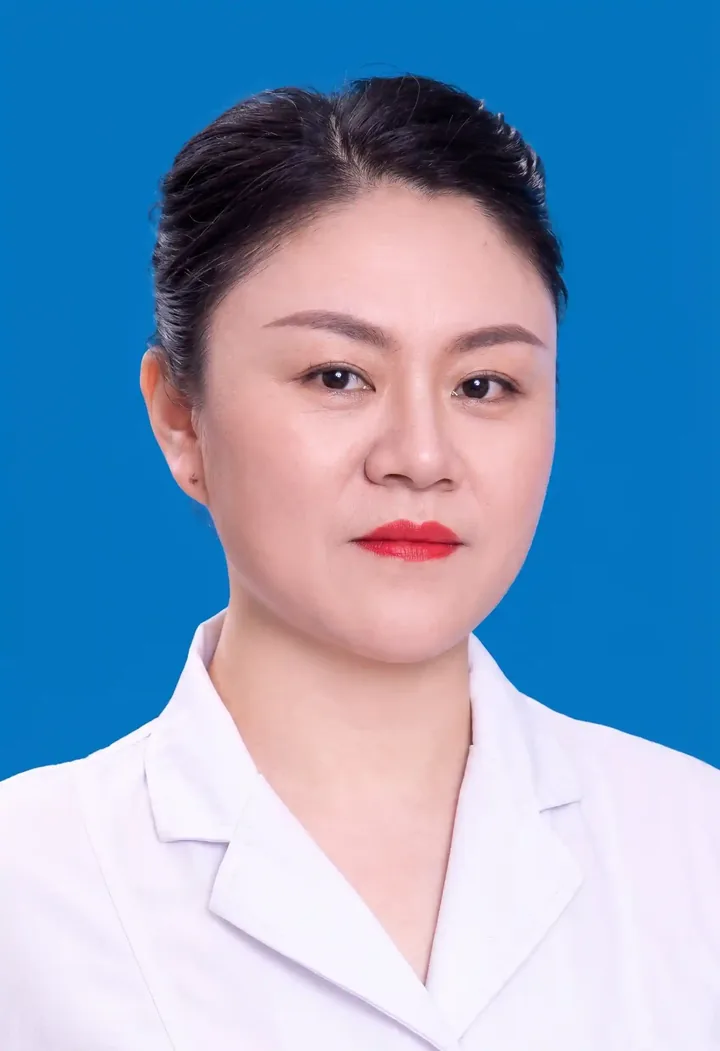
Integrated treatment of lung, gastric, esophageal, thyroid, liver, colorectal, breast, ovarian and pancreatic cancers; TCM and acupuncture to reduce side effects of radio-, chemo- and…
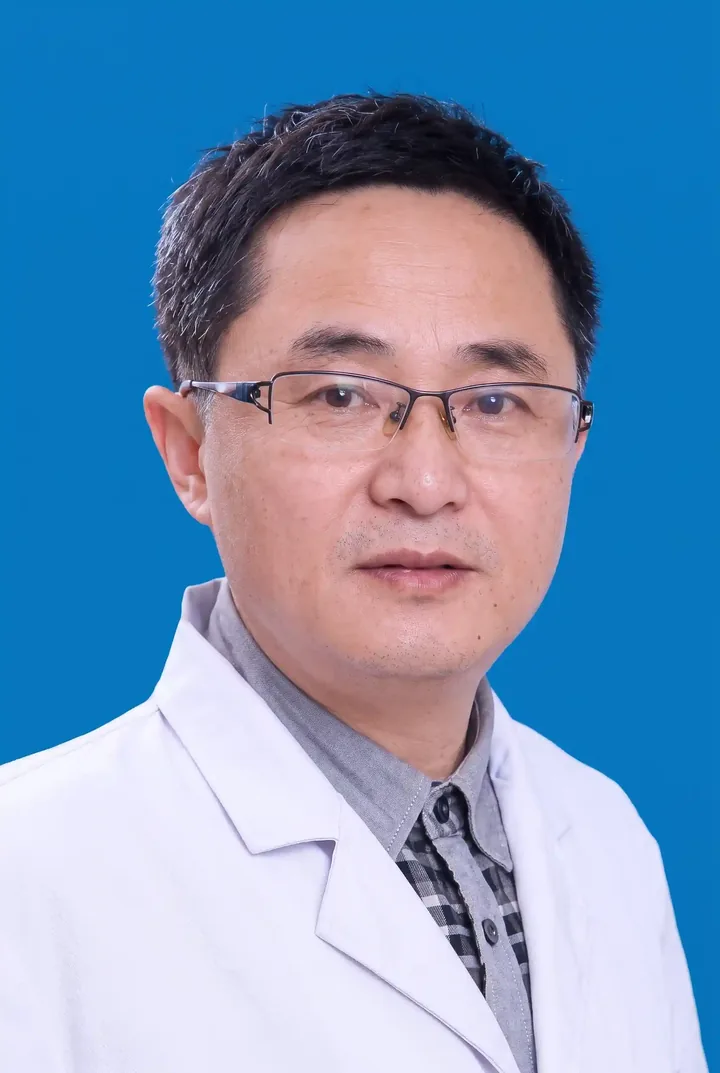
Precision radiotherapy for head-and-neck, thoracic and abdominal-pelvic tumors.
Thoracentesis, paracentesis, pericardiocentesis, bone-marrow puncture and central lines; TCM and integrated treatment of lung, liver, gastric, breast, colorectal, nasopharyngeal, cervical…