
Orthopaedic Care: The Right Diagnosis Before Anyone Picks Up a Scalpel
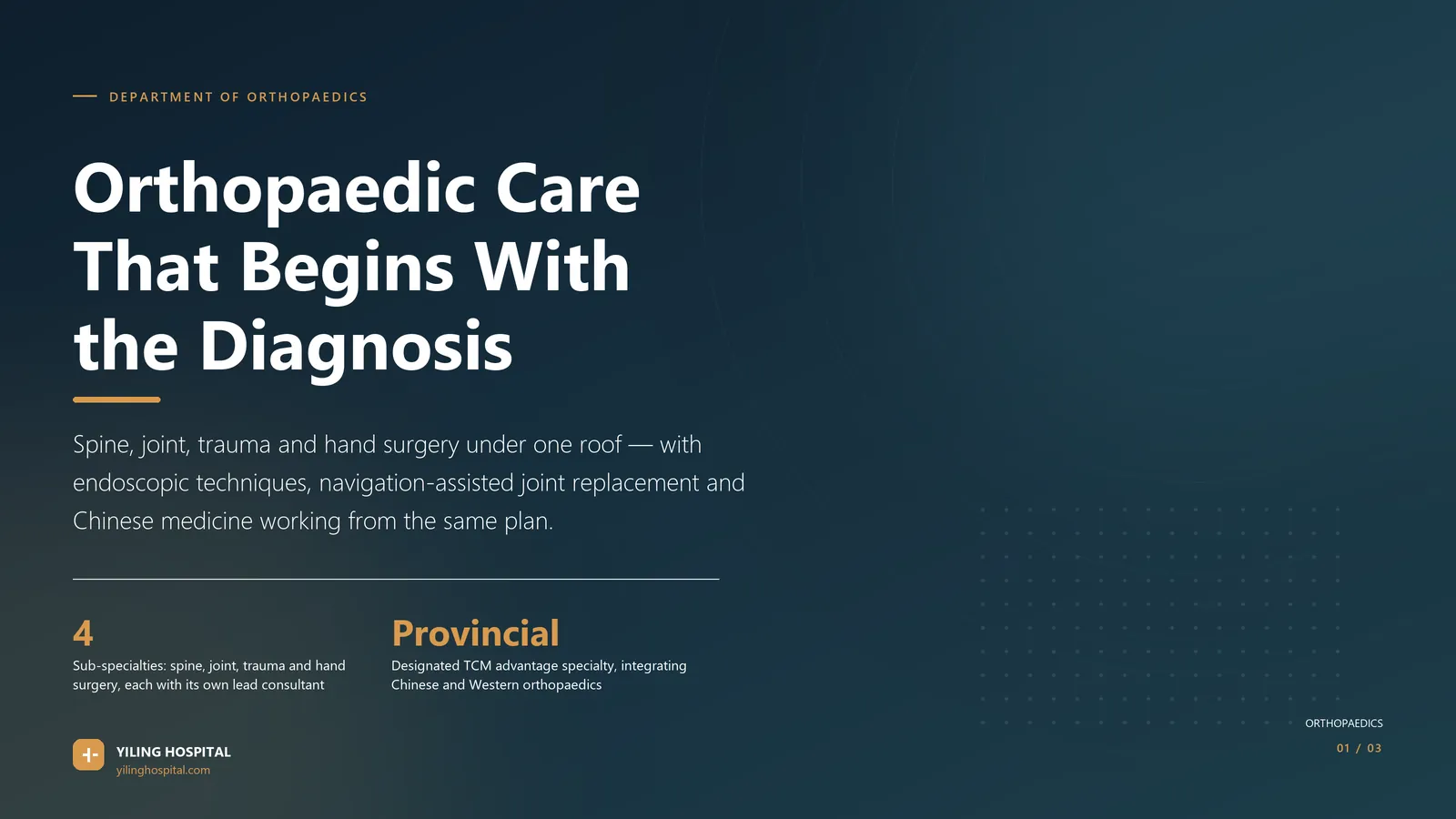
Spine, joint, trauma and hand surgery in one department — with endoscopic technique, navigation-assisted joint replacement and Chinese medicine working from the same plan.
Orthopaedics is the specialty where patients most often arrive already holding a decision. Someone has looked at an MRI, pointed at a disc, and said the word “surgery.” Sometimes that is exactly right. Often it is not yet — and the difference between the two is not a matter of opinion but of examination, imaging reviewed properly, and a trial of treatment that was actually given a chance.
Good orthopaedic care is therefore front-loaded. It spends its effort on getting the diagnosis right, then chooses the smallest intervention that solves the problem. A department that operates well but diagnoses loosely will produce satisfied X-rays and dissatisfied patients.
This article sets out how a four-subspecialty orthopaedic department works, what the minimally invasive techniques actually change for a patient, and which questions should be answered before anyone signs a consent form.
Why Most Back Pain Is Not a Surgical Problem
The single most useful fact in spinal orthopaedics is that disc herniation visibly shrinks on its own in the majority of patients over weeks to months, and that most radicular pain settles without an operation. An MRI finding is a picture of anatomy, not a diagnosis. Plenty of pain-free adults have bulging discs; plenty of patients with severe pain have unremarkable scans.
What makes a difference is the correlation of three things: the distribution of pain (which dermatome), the neurological examination (reflex, power, sensation), and the imaging. When all three agree, the target is real. When only the scan is abnormal, operating on it is operating on a photograph.
Progressive weakness, saddle anaesthesia, new bladder or bowel dysfunction, unexplained weight loss, fever, night pain that wakes you, or a history of cancer — these move the conversation from elective to urgent immediately. Say them out loud at your first appointment, even if nobody asks.
Four Sub-Specialties, and Why the Split Matters
Yiling Hospital’s orthopaedic department — a designated provincial TCM advantage specialty — is organised into spine, joint, trauma and hand surgery, staffed by three chief physicians, five associate chief physicians and eight clinicians holding a master’s degree or above. The structure exists because the technical demands are genuinely different, and a surgeon’s outcomes improve with volume in a narrow field.
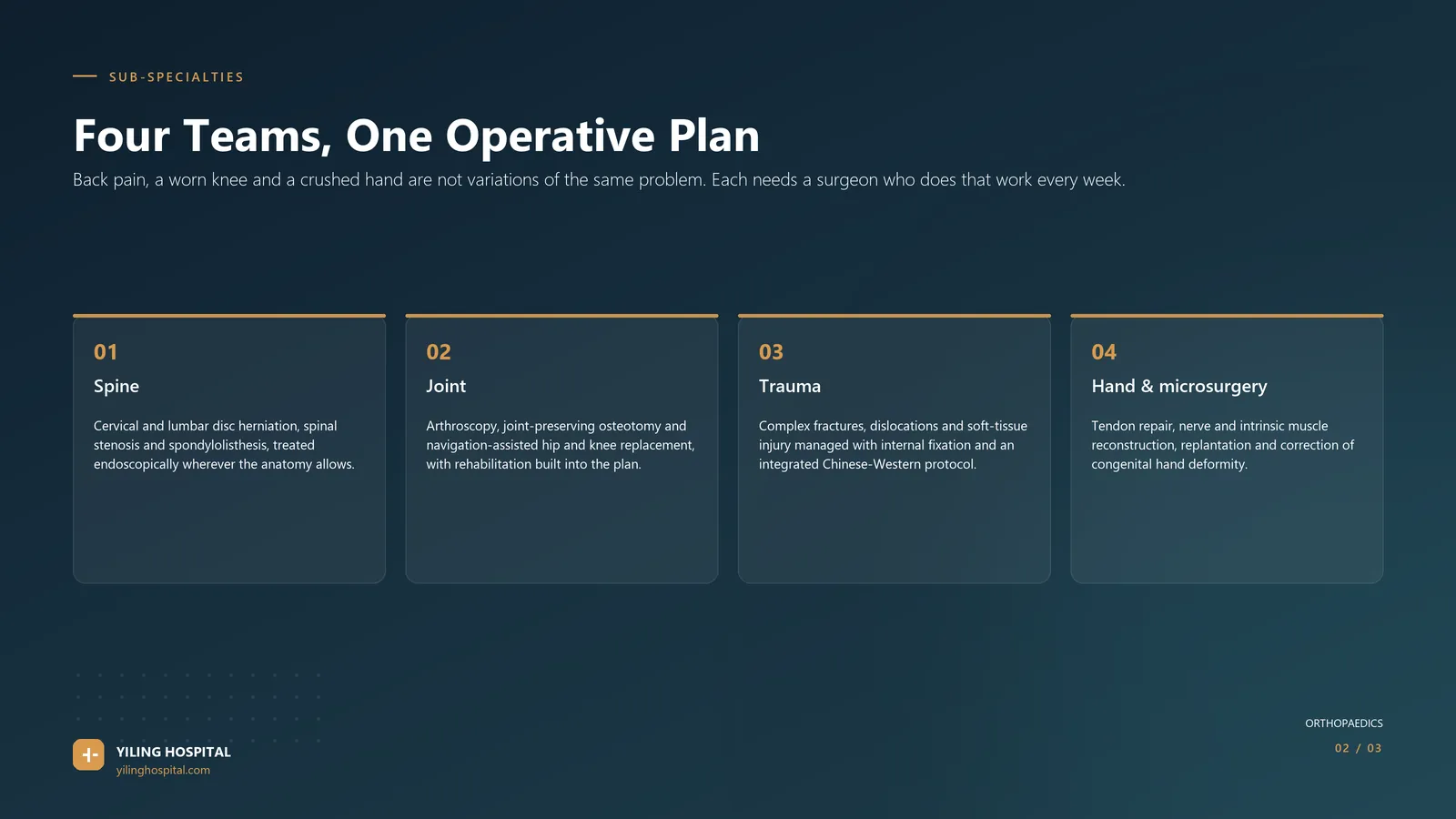
Spine
Cervical and lumbar disc herniation, spinal stenosis and degenerative spondylolisthesis, approached endoscopically wherever the anatomy permits. The department’s spine lead, Professor Gao Junmao, is a master’s supervisor whose foraminoscopic discectomy volume is described by the hospital as being at a leading domestic level — relevant because endoscopic spine surgery has a genuine learning curve, and volume is the best available proxy for competence.
Joint
Arthroscopy, joint-preserving procedures and replacement of the hip, knee and shoulder, including navigation-assisted implantation. The department describes its navigation-assisted hip and knee replacement as reaching first-class provincial standard, and offers knee-preserving surgery for younger patients whose arthritis is not yet global.
Trauma
Complex fractures, dislocations and soft-tissue injury, managed with internal fixation and an integrated Chinese–Western protocol for swelling, pain and bone healing. The clinical priority in trauma is different from elective work: restore alignment and soft-tissue envelope quickly, then rehabilitate hard.
Hand and microsurgery
Tendon repair, nerve repair and functional reconstruction of the shoulder, elbow, wrist and intrinsic hand muscles, replantation of amputated parts, and correction of congenital hand deformity. Hand surgery is unforgiving: a millimetre of tension or a missed nerve changes what a person can do for the rest of their life.
Spinal Endoscopy: What “Minimally Invasive” Actually Buys You
“Minimally invasive” is the most abused phrase in orthopaedic marketing. It should mean something specific: a smaller approach, less muscle retraction, less blood loss, a shorter hospital stay, and a faster return to work — with the same or better decompression than the open alternative. If it means only a smaller scar, it means nothing.
In endoscopic spine surgery, the access is measured in millimetres and the operation is performed through a working channel under continuous visualisation. For a lumbar disc herniation, a transforaminal endoscopic discectomy can be done under local anaesthetic with sedation, and many patients stand and walk within hours. The trade-off is real: it demands precise patient selection, it has a learning curve, and it is not suitable for every stenosis or every level.
Table 1 — Common orthopaedic procedures, and who each one actually suits
| Procedure | What it involves | Who it suits | Typical recovery |
|---|---|---|---|
| Endoscopic discectomy | Removal of herniated disc material through a millimetre-scale working channel | Radicular pain with concordant imaging, after a fair trial of conservative care | Walk same day; desk work 1–3 weeks |
| Lumbar decompression / fusion | Removal of bone and ligament compressing the spinal canal, with or without stabilisation | Stenosis with neurogenic claudication or instability; not for pain alone | 1–3 nights inpatient; 6–12 weeks to full activity |
| Knee arthroscopy | Keyhole inspection and treatment of meniscal tears and loose bodies | Mechanical symptoms — locking, catching — rather than widespread arthritis pain | Walk within days; 3–6 weeks to sport |
| Joint-preserving osteotomy | Realignment of the tibia or femur to shift load off the worn compartment | Younger, active patients with single-compartment arthritis and good range | Protected weight-bearing 6 weeks; return to sport 4–6 months |
| Total knee replacement | Resurfacing of the worn joint surfaces with a prosthesis, optionally navigation-assisted | Advanced arthritis with night pain and failed conservative care | 1–3 nights; walking frame day one; 6–12 months to plateau |
| Total hip replacement | Replacement of the femoral head and acetabular socket | Advanced hip arthritis, avascular necrosis, some femoral neck fractures | 1–3 nights; independent walking 4–6 weeks |
| Fracture fixation | Plates, screws, nails or external fixation to restore alignment | Displaced or unstable fractures; open fractures as an emergency | Varies with bone and soft tissue; 6–12 weeks to union |
| Tendon and nerve repair | Microsurgical suture of divided tendon or nerve with controlled gliding | Open injuries and lacerations, ideally within days | Splinting 3–6 weeks; graded rehab to 3 months |
Recovery ranges are typical rather than guaranteed. Individual healing, bone quality, diabetes control and smoking status all change the timeline — sometimes substantially.
Joint Replacement: Why Degrees and Millimetres Matter
A knee replacement is a mechanical engineering problem inside a biological system. Alignment, rotation and soft-tissue balance determine whether the implant feels like a knee or like a hinge that is always slightly wrong. Navigation-assisted surgery uses intra-operative tracking to position the components against the patient’s own anatomy rather than against an average, which matters most in deformed or unusual anatomy.
It does not, on its own, produce a better outcome than an experienced surgeon using conventional instruments. What it does is reduce outliers — the small proportion of implants placed far enough from ideal to cause problems later. Reducing outliers across a population is precisely what a good department should be trying to do.
Preserving the joint before replacing it
Not every arthritic knee needs a replacement. Where arthritis is confined to one compartment, the alignment is correctable and the patient is younger and active, a realignment osteotomy or a partial replacement can buy years of function and defer — sometimes avoid — a total replacement. Offering this requires the discipline to say no to the bigger operation.
Chinese Medicine in Orthopaedics: Where It Earns Its Place
Orthopaedics is one of the few surgical fields where traditional medicine has a defensible, non-decorative role — because much of what patients suffer is not structural. Muscle spasm, swelling, stiffness, and the pain of a healing fracture are all things conventional surgery manages imperfectly.
The department’s TCM orthopaedic lead, Professor Wang Jinbang — also a master’s supervisor — works on pattern-differentiated treatment of neck, shoulder, back and leg pain, osteoporosis, osteoarthropathy, avascular necrosis of the femoral head and frozen shoulder, using internal and external herbal preparations, fumigation, tuina, acupotomy, iontophoresis and infrared therapy.
Where these approaches fit
- Post-operative swelling and pain, where reducing reliance on opioid analgesia shortens the hospital stay and improves participation in rehabilitation.
- Frozen shoulder and adhesive capsulitis, where the capsule must be stretched progressively and systemic drugs contribute little.
- Osteoporosis, where the conventional foundation — calcium, vitamin D, resistance exercise and an anti-resorptive agent — must be paired with fall prevention and long-term adherence.
- Chronic mechanical neck and back pain without a surgical target, where the honest answer is that no operation will help and something else must.
Chinese medicine does not fix a displaced fracture, does not decompress a cord, does not reverse avascular necrosis of the femoral head once the head has collapsed, and does not replace a worn-out joint. A department that tells you otherwise is selling certainty it does not have.
The Operative Decision: Six Questions Before You Consent
- What is the diagnosis, in one sentence — and what evidence supports it beyond the scan? If the answer is only an MRI finding, ask again.
- What non-surgical treatment have I actually completed, for how long, and did it fail or was it simply not finished?
- What happens if I wait three months — is the condition one that recovers on its own, one that stays the same, or one that gets worse?
- What exactly will the operation change about my function, and what will it not change?
- How many of these does this surgeon perform each year, and what is their revision rate?
- What does the rehabilitation involve, and for how many weeks — and who supervises it?
A surgeon who welcomes all six questions is a surgeon worth having. One who answers them with impatience has told you something more useful than the answers would have.
Rehabilitation Decides the Result
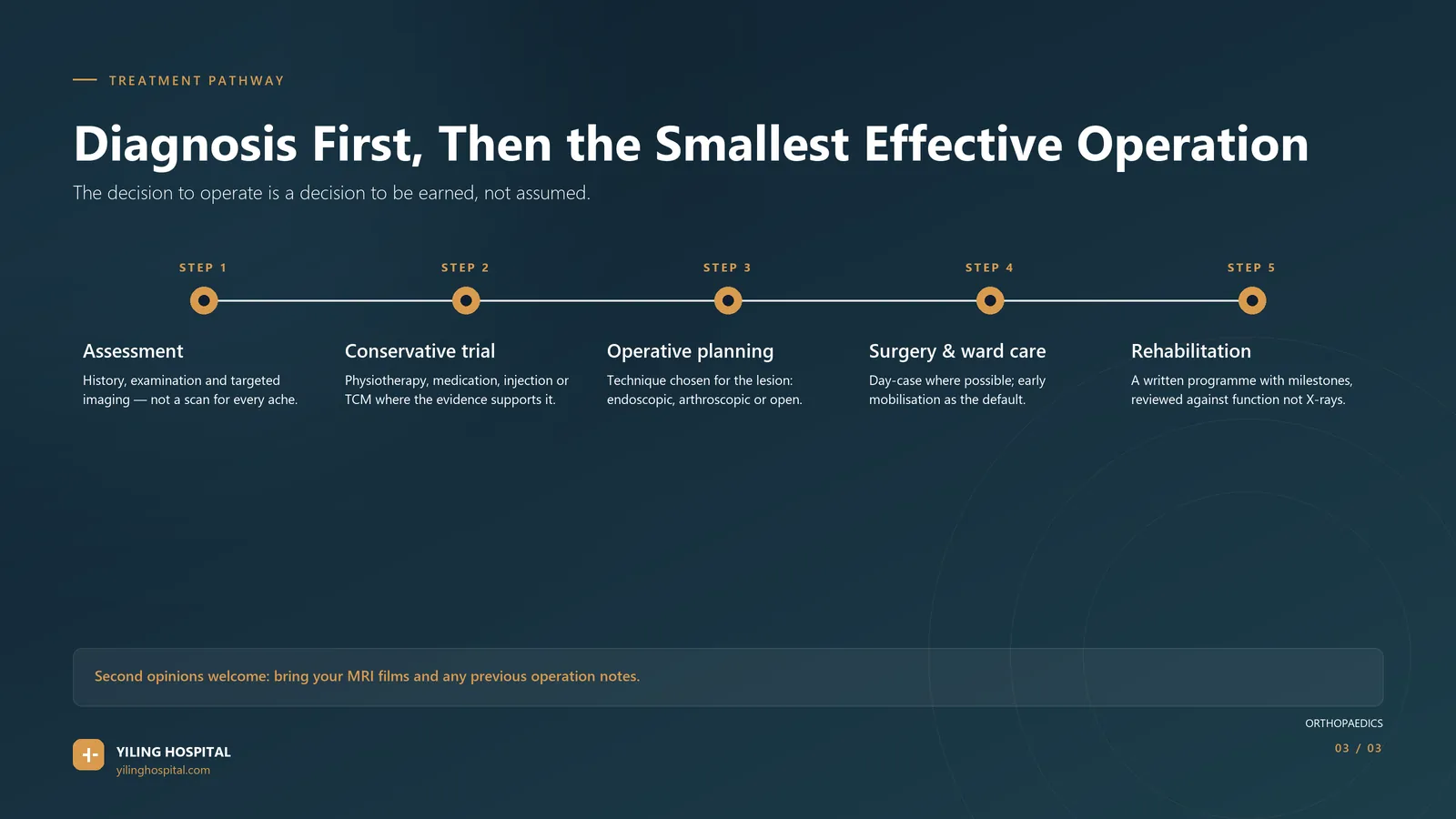
The operation restores anatomy. Rehabilitation restores function, and it is the component patients underestimate most. After a knee replacement, the difference between a good and a mediocre outcome is often whether the patient achieved full extension in the first two weeks — which depends on analgesia, swelling control and daily practice, not on the implant.
A written programme with milestones beats vague encouragement. It should state what to do each week, what to avoid, what counts as progress, and what would constitute a reason to call. Progress should be measured by function — walking distance, stair descent, return to work — rather than by repeat X-rays that change nothing.
Frequently asked questions
Usually not. Most radicular pain from a disc herniation improves over six to twelve weeks with activity modification, analgesia and physiotherapy. Surgery becomes reasonable when pain is severe and unremitting despite adequate conservative care, when there is progressive motor weakness, or when cauda equina compression is present — which is an emergency.
It is disc or stenosis surgery performed through a millimetre-scale portal using an endoscope, with the surgeon working along a continuous image rather than a large incision. The benefits are less muscle trauma, less blood loss, shorter stay and faster return to work. The limits are anatomical: not every level, and not every type of stenosis, can be reached this way, and the technique requires a specifically trained surgeon with adequate volume.
Modern implants have survival rates above 90% at fifteen to twenty years in registry data, but that is an average across populations. Individual longevity depends on age at implantation, body weight, activity level, bone quality, infection history and alignment. Your surgeon should be able to quote their own unit’s revision rate rather than an industry figure.
No, and the reverse is also true. Arthroscopy helps mechanical symptoms — locking, catching, a displaced meniscal tear — but does not treat widespread cartilage loss, and in moderate-to-severe arthritis it often provides little lasting benefit. The decision rests on where the arthritis is, how much is left, and what the symptoms actually are.
For symptom control, swelling, stiffness and chronic non-surgical pain, there is reasonable experiential support and it is widely used in Chinese orthopaedic practice. It is not a substitute for fracture fixation, decompression or joint replacement. The sensible position is that it is complementary — valuable alongside surgery and rehabilitation, and not an alternative to them.
After endoscopic spine surgery, flying within a week is often acceptable. After joint replacement, most surgeons advise waiting two to six weeks because of clot risk, and you should discuss compression stockings and anticoagulation before booking flights. Desk work is usually possible at two to six weeks; manual work typically takes three months or more, depending on the procedure.
The takeaway
Good orthopaedic care is conservative by default and decisive when it matters. It insists on a diagnosis that matches the examination, offers the smallest operation that solves the problem, uses minimally invasive technique where the evidence supports it rather than where the brochure prefers it, and treats rehabilitation as part of the operation rather than an optional extra. Ask the six questions. The answers tell you more about the department than any waiting-room wall.
Request an orthopaedic second opinion
Bring your MRI or CT films, any previous operation notes and a list of treatments already tried.
Yiling Hospital · Department of Orthopaedics · Shijiazhuang, Hebei, China
Medical disclaimer: this article is educational and does not constitute medical advice, diagnosis or a treatment recommendation. Surgical suitability can only be determined by a qualified clinician after examination. Recovery times and outcomes vary between individual patients.
Department experts
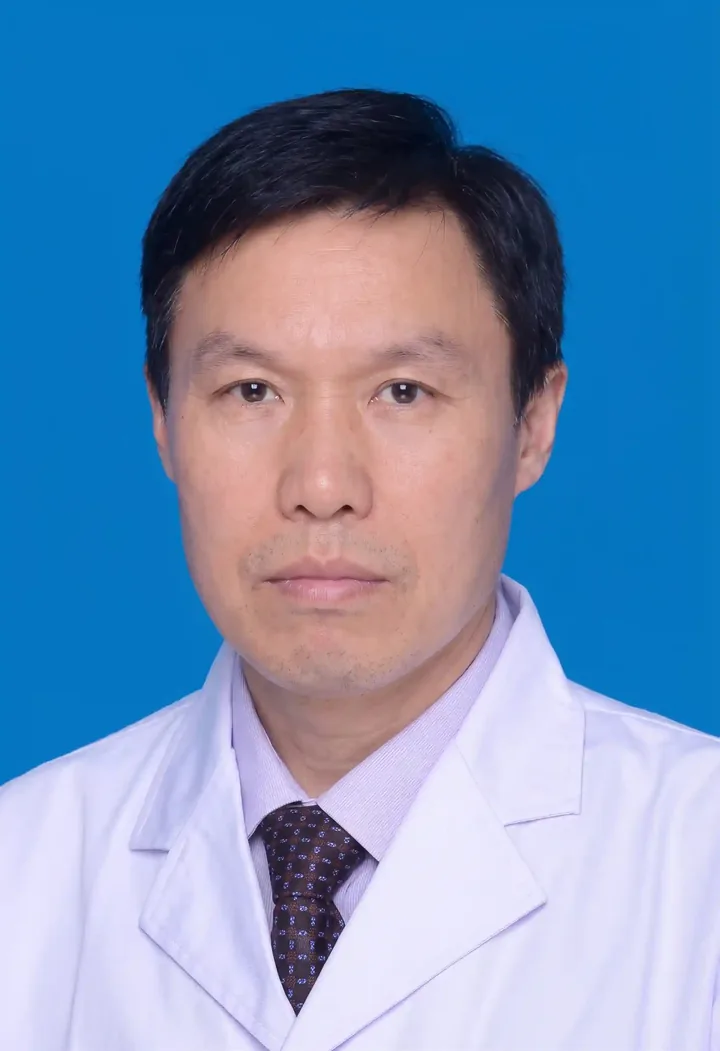
Endoscopic (transforaminal) minimally invasive treatment of lumbar disc herniation, spinal stenosis and cervical spondylosis.
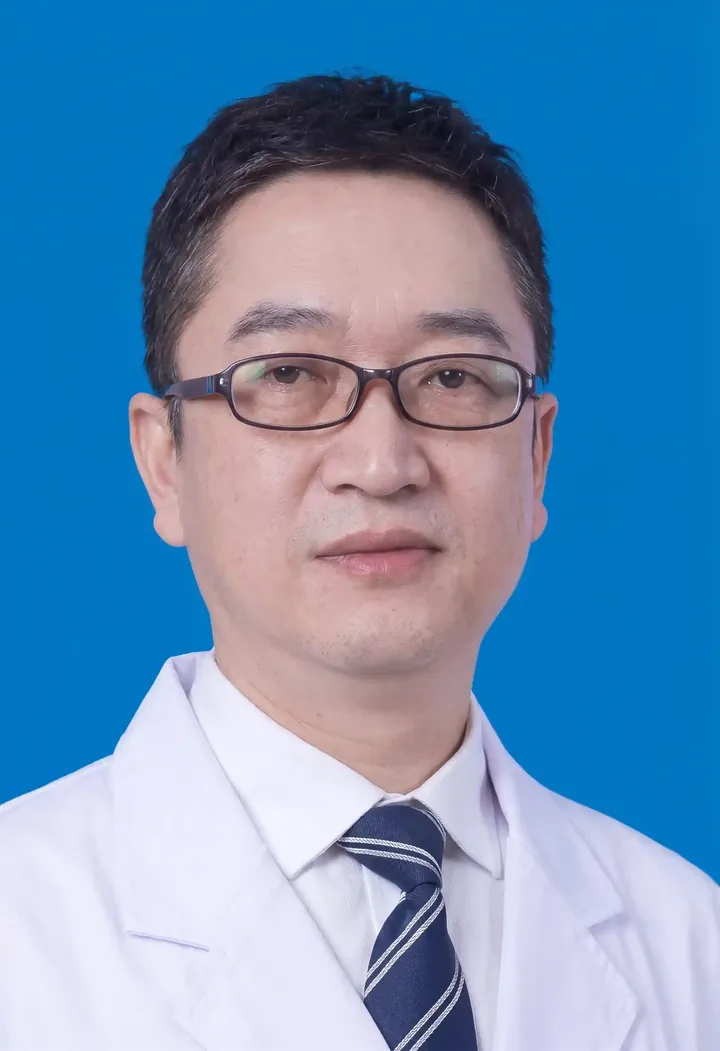
Cervical and lumbar disease, hip and knee replacement, limb and trunk fractures, bone tumors, and arthroscopic treatment of meniscus and ligament injuries.
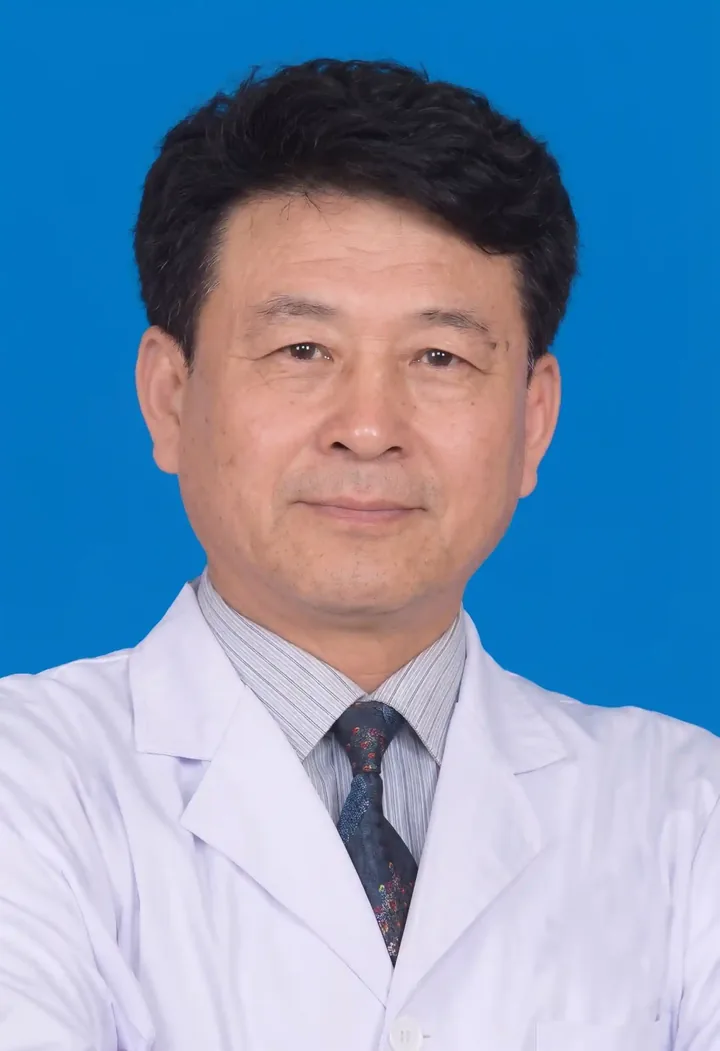
Non-surgical TCM treatment of disc herniation, spinal stenosis, cervical spondylosis, frozen shoulder, osteoporosis, osteonecrosis, gout and arthritis; trauma, fractures and soft-tissue…
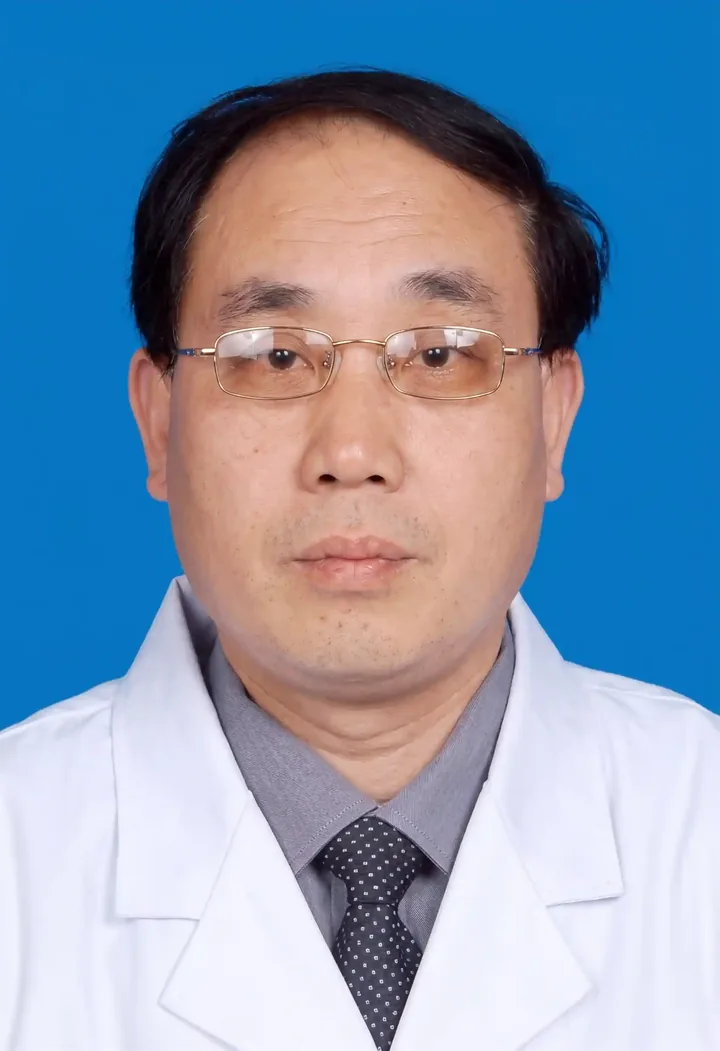
Femoral head necrosis, disc herniation, osteoarthritis, frozen shoulder, fractures, trauma, cervical spondylosis and multiple injuries.
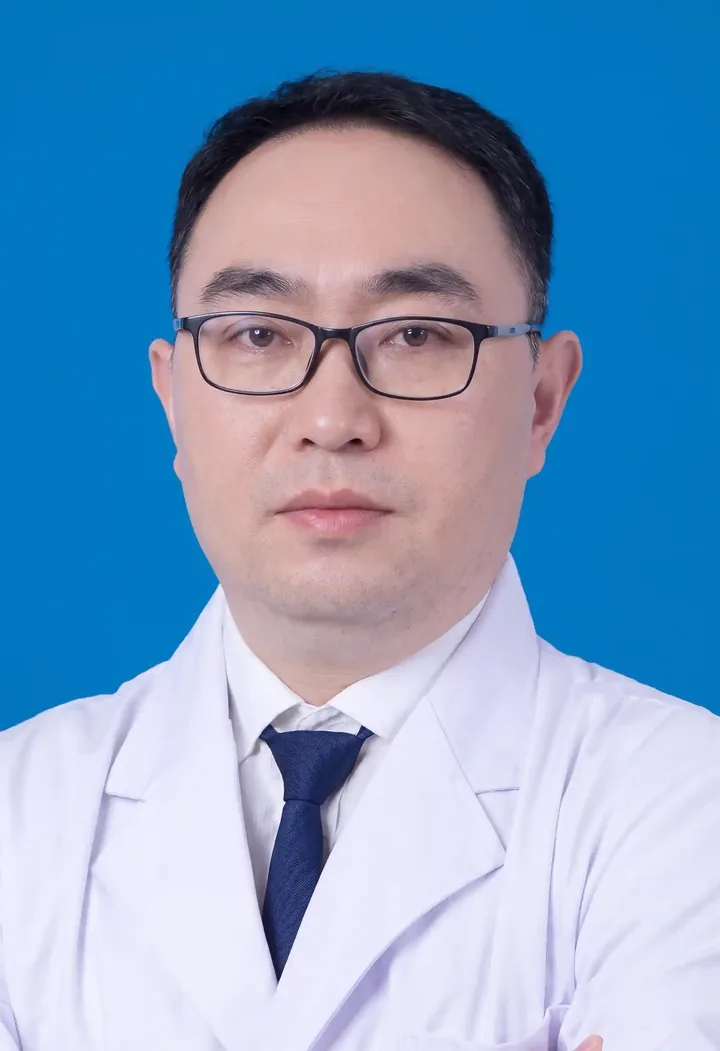
Trauma and hand/foot microsurgery: digit and limb replantation, congenital deformity correction, tendon reconstruction, flap repair, fracture fixation and ultrasound-guided needle-knife for…
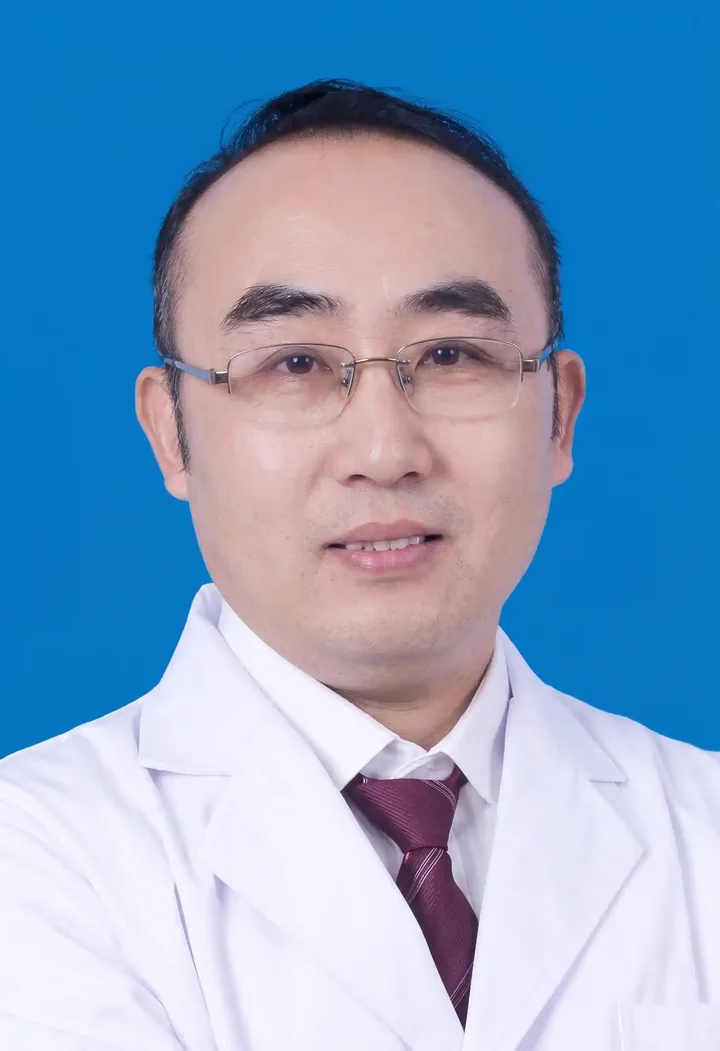
Integrated treatment of neck, shoulder and back pain, fracture surgery and arthroscopic treatment of meniscus and ligament injuries.
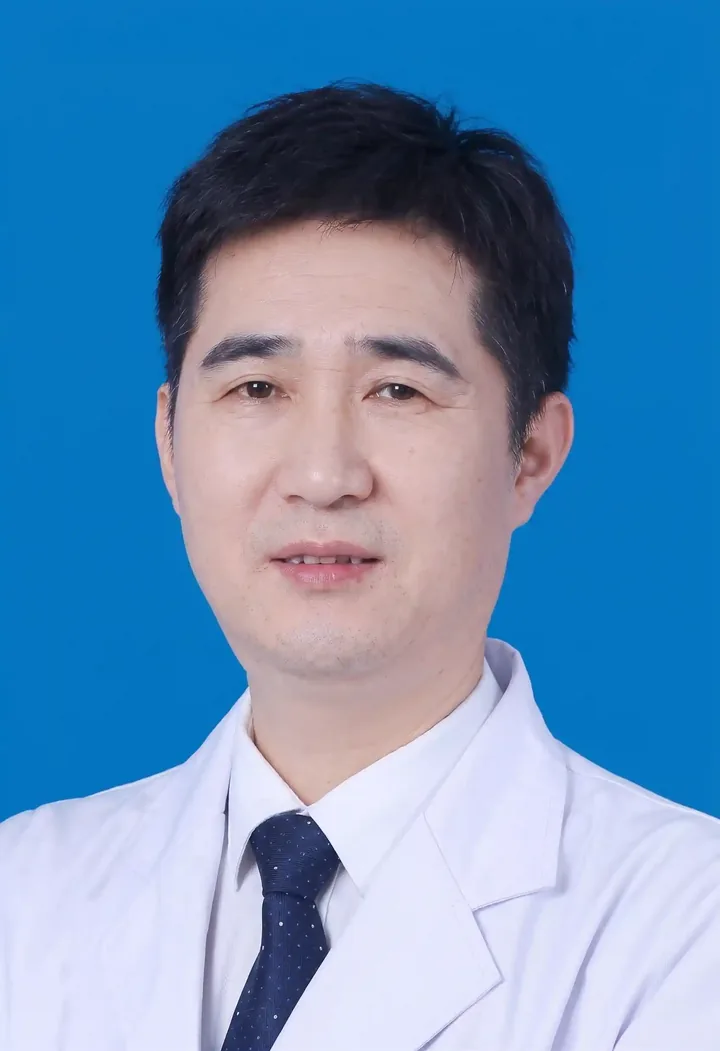
Orthopedic trauma and emergency care; limb fractures, spinal and joint disease with minimally invasive treatment.

Disc herniation, spinal stenosis, cervical spondylosis, osteoarthritis, femoral head necrosis and fractures; especially minimally invasive disc treatment and joint replacement.
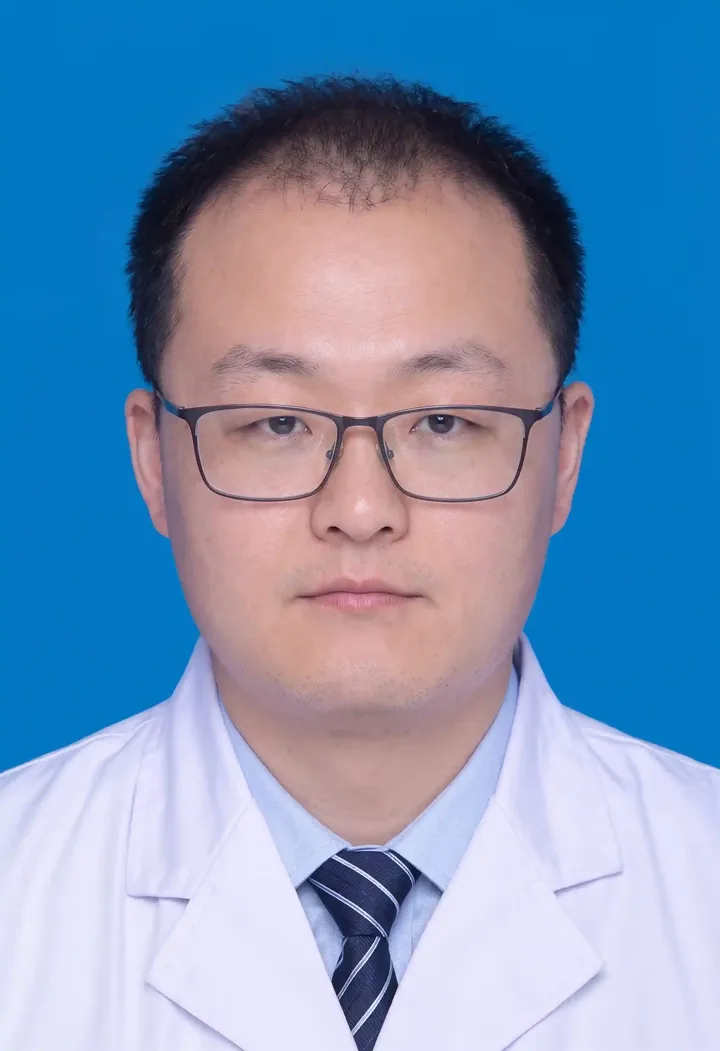
Disc herniation, spinal stenosis, spondylolisthesis, cervical spondylosis, femoral head necrosis, knee osteoarthritis, fractures and osteoporotic compression fractures.