Dysphagia Affects Stroke Prognosis
Dysphagia refers to the impairment or inability to complete the swallowing process due to neurological, muscular, or structural abnormalities. It is one of the most common clinical complications following stroke (including cerebral hemorrhage and cerebral infarction). Dysphagia not only affects patients’ normal eating, leading to malnutrition, but also increases the risk of aspiration, which can cause serious complications such as aspiration pneumonia and choking, potentially threatening the patient’s life.
Mr. Yan, 64 years old, suffered a sudden cerebral hemorrhage over three months ago. After timely emergency treatment, he survived the life-threatening event but developed impairments in limb movement, swallowing, and speech functions. Among these, dysphagia was the most distressing for him and his family: he choked when drinking water and could not swallow food, relying solely on nasogastric tube feeding for nutrition. The physical discomfort caused Mr. Yan great anxiety, sometimes even resisting treatment. To help him achieve further recovery and fulfill his wish to remove the feeding tube, his family transferred him to the Rehabilitation Department of Hebei Yiling Hospital.
Innovative Rehabilitation Model Supports Recovery
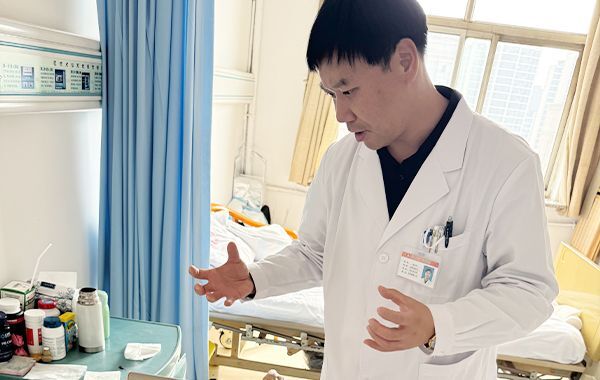
“For patients with dysphagia, nasogastric tube feeding can help supplement nutrition, but it may cause discomfort and, over time, lead to complications such as anxiety and gastroesophageal reflux, which negatively affect swallowing function recovery,” said Li Hongxia, Director of the Rehabilitation Department at Hebei Yiling Hospital. While nasogastric feeding can partially address nutritional intake, timely rehabilitation training for swallowing and other functional impairments remains essential for patient comfort, long-term recovery, and independent living.
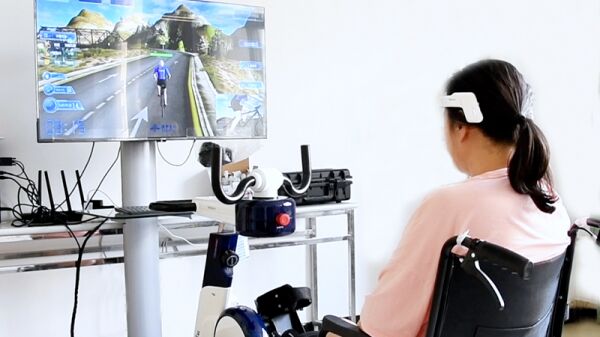
Over nearly 20 years of development, the Rehabilitation Department at Hebei Yiling Hospital has established a scientific and standardized rehabilitation treatment model guided by the collateral-disease theory. This model integrates modern rehabilitation, traditional Chinese medicine (TCM) herbal treatments, and acupuncture physiotherapy into a “trinity” approach. Aiming at life reconstruction, it comprehensively applies modern rehabilitation techniques (physical therapy, occupational therapy, speech therapy), syndrome-differentiated herbal prescriptions to promote collateral circulation, acupuncture, and various physical therapies. Individualized rehabilitation plans are formulated based on the patient’s specific functional impairments, promoting functional recovery while enabling patients to apply skills in daily life. This approach boosts confidence, activates the patient’s intrinsic motivation for rehabilitation, and ultimately helps patients adapt to social environments, rebuild their lives, and reintegrate into society.
Regular Assessment and Comprehensive Rehabilitation to Improve Swallowing Function
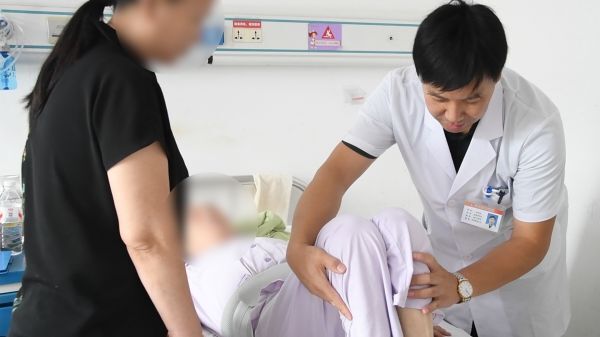
The Rehabilitation Department at Hebei Yiling Hospital follows standardized rehabilitation procedures and conducts comprehensive scientific “three-phase evaluations” to develop and dynamically adjust individualized rehabilitation treatment plans, thereby enhancing rehabilitation outcomes. For example, in patients with dysphagia, a multidisciplinary rehabilitation team—including rehabilitation physicians, therapists, acupuncture physiotherapists, and responsible nurses—is established upon admission. The team collects medical history and symptoms, assesses swallowing difficulties, and performs oral and pharyngeal function examinations. The Watanabe water swallowing test (patient seated, drinking 30ml of warm water while observing duration and choking) is commonly used bedside screening to grade the severity of dysphagia.
Based on relevant examinations and specific conditions, the Rehabilitation Department formulates targeted integrated rehabilitation plans combining Chinese and Western medicine. Initially, food texture is adjusted to pureed, soft, or thickened liquids. Patients are assisted to modify eating postures, such as chin-tuck swallowing (to reduce epiglottis exposure) and head-turn swallowing (turning the hemiplegic side downward to promote clearance of the affected piriform sinus). Training includes dry swallowing (empty swallows after each bite to clear residue) and alternating swallowing (alternating solids and liquids to promote pharyngeal clearance). Oral sensory stimulation, tongue and lip muscle training, and swallowing muscle group exercises are performed to activate the swallowing reflex, enhance oral bolus control, and improve pre-swallow respiratory control (avoiding inhalation during swallowing). Treatments may also include transcranial electrical stimulation, functional magnetic stimulation, and acupuncture or electroacupuncture at specific acupoints to regulate nerves and improve swallowing function according to the patient’s condition.
At rehabilitation milestones such as two weeks and one month, mid-term and final rehabilitation evaluation meetings are held to review treatment effects, refine rehabilitation plans, and provide professional, detailed home and community rehabilitation guidance. Regular follow-ups ensure patients maintain long-term rehabilitation after discharge.
Under the innovative rehabilitation model at Hebei Yiling Hospital, after nearly two months of scientific, standardized, and systematic treatment and training, Mr. Yan’s swallowing function significantly improved, and his impaired limb function gradually recovered, allowing successful removal of the feeding tube. After discharge, he adhered to the rehabilitation guidance provided by the hospital’s Rehabilitation Department. Half a month later, during a follow-up visit, Mr. Yan was able to walk independently into the outpatient clinic, communicate normally, eat independently, and had basically regained self-care ability.