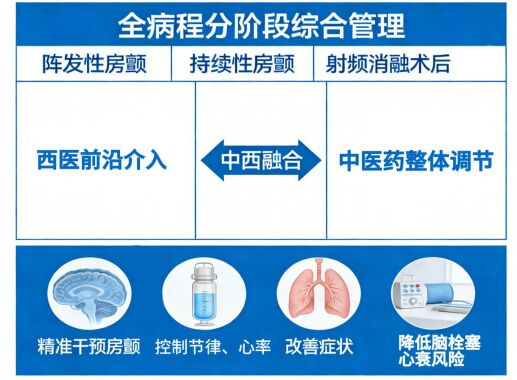
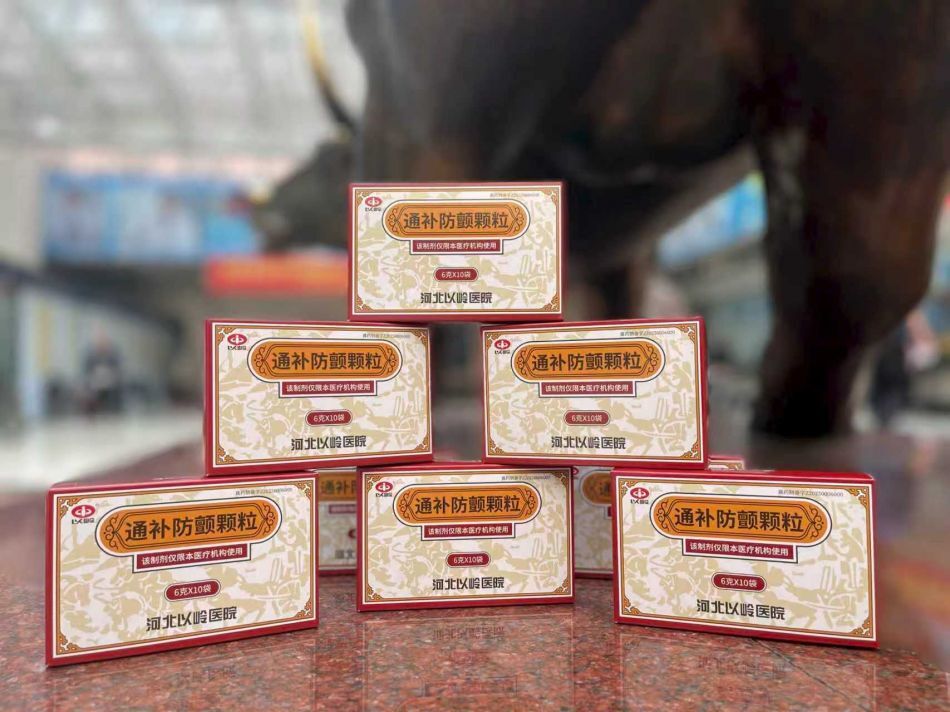
Recently, Hebei Yiling Hospital applied Tongbu Fangzhen Granules based on syndrome differentiation. After about one month of comprehensive treatment, a patient with severe atrial fibrillation (AF) experienced symptom improvement, with her daily AF duration reduced from 17 hours to 2 hours, and the longest cardiac pause shortened from 7.88 seconds to 2.48 seconds. Tongbu Fangzhen Granules are an innovative in-house traditional Chinese medicine (TCM) preparation developed by Hebei Yiling Hospital based on the collateral-disease theory. The treatment principle is “tonifying and unblocking collateral deficiency, extinguishing wind and calming palpitations.” This formula can regulate both fast and slow heart rhythms and fundamentally improve cardiac function, offering more treatment options for patients with arrhythmias.
Recurrence After Two Surgeries: Prolonged Atrial Fibrillation and Cardiac “Shutdown”
“I have undergone two radiofrequency ablation procedures, but the results were unsatisfactory. I heard that you have Tongbu Fangzhen Granules here, which can treat both fast and slow rhythms, and I want to try them!” Recently, Ms. Li, a 60-year-old patient with atrial fibrillation, came to Hebei Yiling Hospital full of hope. It was learned that Ms. Li had suffered from AF for many years and had undergone two radiofrequency ablation procedures to relieve symptoms, but both times the arrhythmia recurred shortly after surgery. As her condition progressed, symptoms such as palpitations, shortness of breath, and fatigue worsened and lasted longer. More dangerously, whenever her AF spontaneously converted to sinus rhythm, her heart would suddenly stop beating—this is a typical manifestation of tachycardia-bradycardia syndrome: alternating episodes of rapid AF and slow cardiac pauses, with prolonged sinus pauses following AF termination. Ms. Li’s condition was severe, and she frequently experienced syncope and transient visual blackouts (transient vision darkening).
Ms. Li sought medical advice at multiple hospitals, where most recommendations were to implant a permanent cardiac pacemaker. However, after two surgical treatments, she was reluctant to undergo further surgery and preferred conservative treatment with traditional Chinese medicine. After thorough consideration, she ultimately decided to come to Hebei Yiling Hospital, hoping to be treated with TCM methods such as Tongbu Fangzhen Granules.
Tongbu Fangzhen: Treating Both Fast and Slow Rhythms
For common arrhythmias such as AF, TCM syndrome differentiation and collateral unblocking treatment often exert multi-pathway, multi-link, and multi-target integrative regulatory effects, treating both “fast” (tachyarrhythmias) and “slow” (bradyarrhythmias) heart rhythms. Based on the collateral-disease theory, Hebei Yiling Hospital developed the innovative in-house preparation Tongbu Fangzhen Granules. This formula is a refined combination of 14 authentic Chinese medicinal herbs including Huangqi (Astragalus), fried Suanzaoren (Ziziphus spinosa seed), Shanzhuyu (Cornus officinalis), and Yanhusuo (Corydalis), following the treatment principle of “tonifying and unblocking collateral deficiency, extinguishing wind and calming palpitations.” The formula focuses on the two core principles of “tonification and unblocking collaterals,” which tonify qi and raise yang to consolidate the root, promote blood circulation and qi movement to disperse stasis, and dispel wind to unblock collaterals, thereby improving symptoms and addressing the root cause. It can relieve palpitations, chest tightness, and other symptoms caused by qi and blood stasis and poor collateral circulation, as well as calm the mind and relieve irritability, comprehensively improving patient discomfort.
Treating Both Root and Branch: Precise Syndrome Differentiation to Improve Symptoms
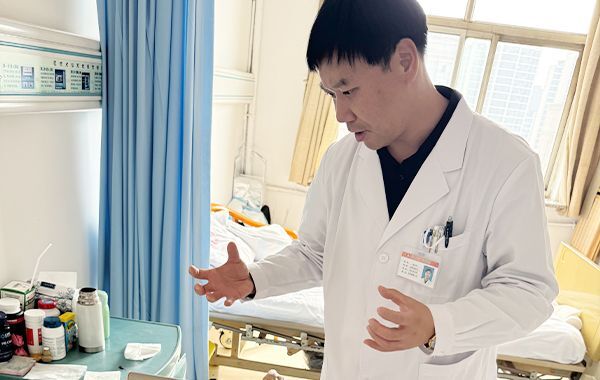
With great anticipation, Ms. Li consulted Professor Jia Zhenhua, a Qihuang Scholar at Hebei Yiling Hospital, and underwent necessary examinations including 24-hour Holter monitoring. The results showed that her AF lasted up to 17 hours daily, with prolonged cardiac pauses—the longest pause was 7.88 seconds (normally, the interval between two heartbeats is 0.6–1.2 seconds; a pause exceeding 2 seconds is considered a long cardiac pause)—indicating a severe condition.
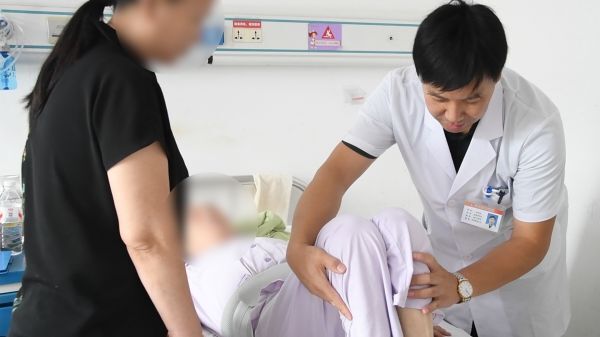
Professor Jia Zhenhua combined the examination results and symptom presentation to comprehensively differentiate Ms. Li’s syndrome, diagnosing her with “Zongqi deficiency.” He then established a treatment plan centred on Tongbu Fangzhen Granules. The prescription focused on tonifying qi and raising yang to “treat the root,” while promoting blood circulation, moving qi, dispelling wind, and unblocking collaterals to “treat the branch” and improve symptoms. During treatment, Professor Jia adjusted the prescription according to Ms. Li’s condition and symptom changes. For example, to address her pronounced long cardiac pauses, he modified the original formula by adding herbs to warm yang, broaden the chest, and promote qi circulation, thereby harmonising the chest’s vital energy.
After about one month of syndrome-differentiated medication, Ms. Li felt “much better,” with significant improvement in palpitations and shortness of breath. Episodes of transient visual blackouts and syncope no longer occurred. A follow-up 24-hour Holter monitor showed her longest AF duration had decreased to 2 hours, and the longest cardiac pause shortened to 2.48 seconds.
Unblocking Collaterals to Treat AF: Preventing Recurrence and Protecting Long-Term Health
“Innovative in-house preparations such as Tongbu Fangzhen Granules, developed under the guidance of collateral-disease theory, can help patients improve current symptoms while achieving long-term disease management,” emphasised Professor Jia Zhenhua. These preparations leverage the integrative regulatory advantages of collateral-disease theory and not only have therapeutic effects on paroxysmal AF characterised by Zongqi deficiency and internal wind disturbing collaterals, but also improve symptoms of persistent AF. For patients like Ms. Li, who experienced recurrence after radiofrequency ablation, these treatments can help reduce the risk of relapse. Additionally, they alleviate symptoms such as palpitations, anxiety, shortness of breath, reluctance to speak, fatigue, insomnia, and vivid dreams, comprehensively enhancing patients’ quality of life.
From recurrence after two surgeries to symptom relief brought by Tongbu Fangzhen Granules, Ms. Li’s treatment journey demonstrates the unique value of traditional Chinese medicine in treating arrhythmias.