A Major Finding: Treating Muscular Atrophy Through the Eight Extraordinary Meridians
- August 14, 2022
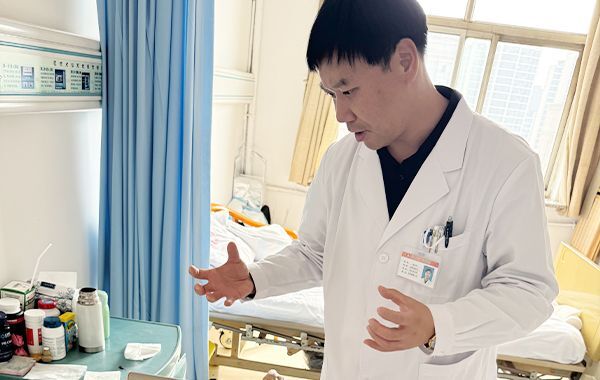
Recently, it was reported from Hebei Medical University Affiliated Yiling Hospital that the hospital’s expert team in the National Key TCM Specialty for Muscular Atrophy, after more than twenty years of clinical practice, has found that treating refractory muscular atrophy based on the theory of the Eight Extraordinary Meridians shows promising efficacy.
Muscular atrophy refers to the reduction in muscle volume caused by nutritional disorders of striated muscle, muscle fibre thinning, or even disappearance. Many factors can lead to muscular atrophy, such as infection, poisoning, metabolic abnormalities, immune dysfunction, genetic causes, and disuse. Damage to the muscle itself or to the nervous system can both result in muscular atrophy. Overall, it is a neuromuscular disease that damages the body’s muscles. Traditional Chinese Medicine (TCM) refers to muscular atrophy as “wei syndrome”, typically treating it by targeting the liver, kidney, lung, and stomach organs. Treatments have included the principle of “treating wei syndrome by focusing on Yangming,” as well as methods to nourish yin and reduce fire, clear the lungs and moisten dryness, strengthen the spleen and stomach, clear and transform damp-heat, regulate and tonify liver and kidney, and activate blood circulation to resolve stasis. While these theories and therapies provide some guidance for treating muscular atrophy, they are mainly effective for relatively treatable forms such as peripheral neuropathies, inflammatory diseases, autoimmune disorders, Guillain-Barré syndrome, multiple sclerosis, myasthenia gravis, inflammatory myopathies, and lipid storage myopathies. However, for progressive muscular atrophy, treatment is challenging, especially for refractory types such as motor neuron disease, muscular dystrophy, Charcot-Marie-Tooth disease, and Parkinson’s disease. Conventional therapies often fail, posing a major clinical challenge.
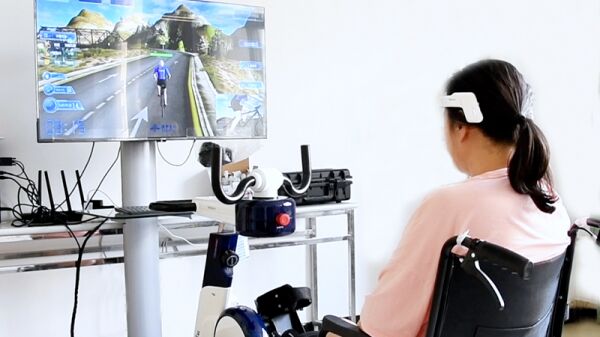
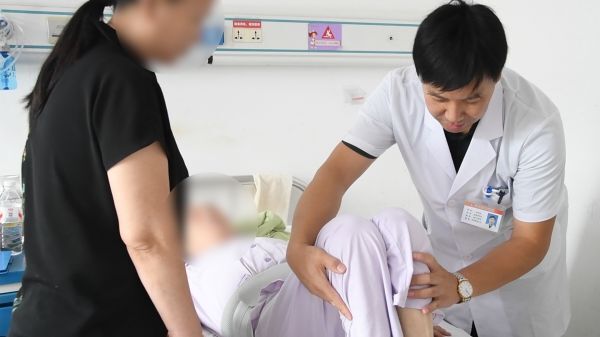
In search of an effective treatment, over many years the expert team in the Muscular Atrophy Department at Hebei Yiling Hospital has deeply explored the treasure trove of traditional Chinese medicine, carefully summarising historical and contemporary experiences and lessons in treating this disease to find effective methods. Given the important physiological functions of the Eight Extraordinary Meridians and their close association with the pathogenesis of muscular atrophy, Hebei Yiling Hospital has persistently explored treatment of muscular atrophy from the perspective of the Eight Extraordinary Meridians. They have continuously summarised and innovated, systematically consolidating the theoretical basis for syndrome differentiation and treatment according to the Eight Extraordinary Meridians, standardising the characteristics of medication use for these meridians, carefully selecting effective prescriptions based on this theory, and developing distinctive therapies such as the large moxibustion warming Du vessel therapy, meridian-guided balance Tongqiao therapy, sacral canal therapy to tonify the Du vessel and strengthen the sacrum, and umbilical therapy to warm yang and replenish yuan qi. These unique treatments have improved the efficacy for refractory muscular atrophy and shortened the disease course.
It is reported that by using this approach, the Muscular Atrophy Department at Hebei Yiling Hospital has already helped tens of thousands of patients with refractory muscular atrophy, enhancing clinical efficacy, delaying disease progression, and improving patients’ quality of life.