Diabetic foot is a common complication of diabetes, influenced by factors such as hyperglycaemia, microcirculatory disorders, and neuropathy. Once infection and ulceration occur, wounds are extremely difficult to heal, and in severe cases, amputation may be necessary. To address this treatment challenge, the Endocrinology Department of Hebei Yiling Hospital has long been dedicated to clinical and experimental research on diabetes and its various complications, fully leveraging the advantages of integrated Chinese and Western medicine. On one hand, guided by the Traditional Chinese Medicine collateral-disease theory, they improve microcirculation by unblocking collaterals; on the other hand, they study and adopt cutting-edge medical technologies and concepts, promptly introducing new techniques to provide patients with more treatment options. Recently, the Endocrinology Department, in collaboration with the hospital’s Blood Transfusion Department, applied platelet-rich plasma (PRP) gel technology to diabetic foot treatment for the first time in-house, effectively promoting wound healing and achieving ideal therapeutic outcomes.
Poor Blood Sugar Control Makes Small Wounds Hard to Heal
Mr. Sun, 45 years old this year, has had diabetes for more than ten years. However, he always felt young and strong and did not take his diabetes seriously, resulting in unstable blood sugar control. Not long ago, due to heavy work tasks and a busy schedule, he soon noticed redness, swelling, and pain in the little toe of his left foot, which then ulcerated, affecting his normal walking. Only then did Mr. Sun seek medical attention. Foot X-rays and lower limb Doppler ultrasound revealed arteriovenous fistulas in his lower limbs and severe infection at the wound site, leading to a diagnosis of diabetic foot.
Diabetic foot is a common complication of diabetes, often caused by inadequate diabetes management and poor blood sugar control. After diabetic foot complications develop, most patients experience vascular occlusion, impairing blood supply to the lower limbs, which leads to symptoms such as numbness and coldness. In severe cases, the lower limbs lose blood nutrition, resulting in ulcers and gangrene. Without timely treatment, walking function may be affected and amputation may be required.
Integrated Chinese and Western Medicine: Platelet Gel Promotes Recovery
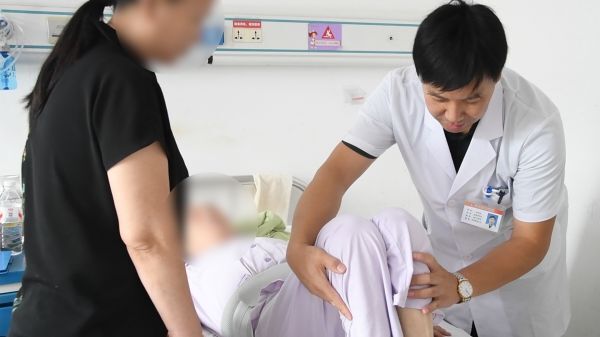
Due to factors such as hyperglycaemia, vascular lesions, and peripheral neuropathy, ulcers and wounds in diabetic foot are extremely difficult to heal. After Mr. Sun was admitted to the Endocrinology Department of Hebei Yiling Hospital, doctors promptly performed debridement, incision and drainage, and dressing changes. More than twenty days passed, and although his symptoms improved somewhat, there was no significant granulation tissue growth at the ulcer on his left little toe, and the wound failed to heal.
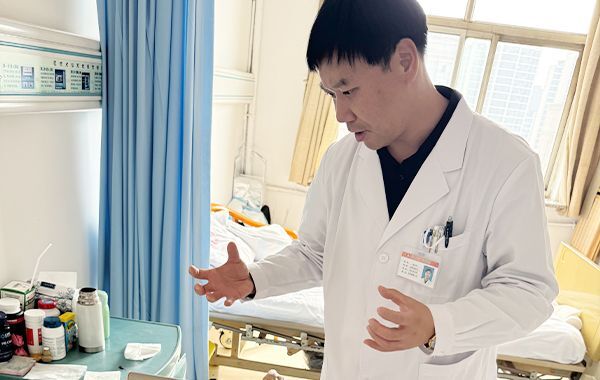
Under these circumstances, Associate Chief Physician Ma Licheng led the medical team in the Endocrinology Department to carefully analyse the condition and adjust the integrated Chinese and Western medicine treatment plan. Building on local Chinese herbal medicine dressings and collateral unblocking to improve microcirculation, they collaborated with the hospital’s Blood Transfusion Department to apply PRP gel technology to diabetic foot treatment, assisting in promoting wound healing.
Director Zhao Zhenjun of the Blood Transfusion Department explained that PRP is obtained by collecting autologous blood through a blood component separator, anticoagulated ex vivo, and centrifuged in a specific manner to yield plasma with a high concentration of platelets—a platelet concentrate. Its main components include platelets (at 3 to 5 times the normal platelet count), white blood cells, fibrin, plasma, and other elements. Platelets contain more than 30 different cell growth factors. Once activated, platelets in PRP release multiple growth factors through degranulation, which play an important role in promoting tissue injury repair. Currently, PRP is widely used either by direct injection or gel preparation in wound repair, diabetic foot, pressure ulcers, osteoarthritis, non-healing fractures, pain management, as well as in hair loss treatment and skin rejuvenation.
PRP gel technology involves adding platelet activators (such as thrombin and calcium agents) to platelet-rich plasma to activate the platelets, forming a gel-like substance that is applied to ulcerated wounds for treatment. Director Ma Licheng stated that platelets have haemostatic, antibacterial, angiogenesis-promoting, granulation tissue and epithelial growth-promoting effects. Forming them into a gel makes it easier to apply to the affected area, effectively promoting wound healing. Moreover, after collecting sufficient platelets via the blood component separator, the remaining red blood cells, white blood cells, plasma, and other blood components can be automatically returned to the patient, reducing blood waste.
The application of PRP gel preparation technology to diabetic foot treatment at Hebei Yiling Hospital has also achieved good results. After three treatments with PRP gel technology, Mr. Sun’s toe ulcer began to heal rapidly, and the wound area significantly reduced after about ten days.
Protect Your Lower Limbs and Feet: Diabetic Patients Must Not Neglect This
Because diabetic foot patients suffer from blood sugar effects, vascular occlusion, poor blood supply in the lower limbs, and neuropathy, they often have impaired sensation and cannot promptly detect wounds or skin breaks, which easily leads to delays and serious infections. Therefore, Director Ma Licheng reminds that once diagnosed with diabetes, patients must adhere to standard medication, regularly monitor blood sugar, and maintain stable control to prevent diabetic foot and other complications. They should also carefully inspect their lower limbs, especially their feet, for any skin breaks or wounds. If any are found, they should seek medical attention promptly so that professional doctors can select appropriate treatments based on the specific condition.
— Excerpted from Hebei News Network, 24 June 2024