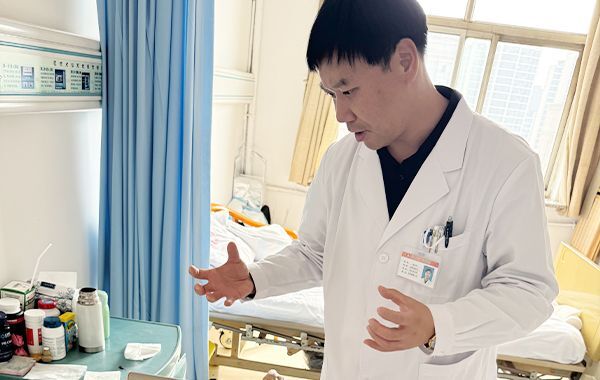
“Intestinal metaplasia” refers to the pathological diagnosis of intestinal epithelial metaplasia, primarily caused by long-term effects of chronic inflammatory injury and other factors, leading to the replacement of gastric mucosal epithelial cells by intestinal-type epithelial cells. It is commonly seen in chronic atrophic gastritis. Since intestinal epithelial metaplasia is a precancerous lesion of gastric cancer, treatment is challenging, often causing considerable anxiety among patients. The Department of Spleen and Stomach Diseases at Hebei Yiling Hospital, based on the unique “One Soothing, Two Regulating, Three Differentiating” diagnostic and treatment system for spleen and stomach diseases developed by Hebei Province’s renowned TCM physician Professor Liu Zengxiang, formulates precise prescriptions targeting the pathogenesis, repairs the gastric mucosa, reverses intestinal epithelial metaplasia, effectively prevents precancerous lesions, thereby reducing or blocking the occurrence of gastric cancer and achieving “prevention before disease.”
Timely intervention is required when gastritis develops “intestinal metaplasia.”
With increasing health awareness, many people undergo gastrointestinal endoscopy during regular check-ups to assess digestive tract health, which plays a positive role in early detection and diagnosis. However, when reports indicate precancerous lesions such as “intestinal metaplasia,” patients inevitably feel anxious and stressed, sometimes affecting normal treatment. In response, Professor Liu Zengxiang, a renowned TCM physician of Hebei Province and Vice President of the Hebei Association of Traditional Chinese Medicine, reminds that while intestinal epithelial metaplasia should be taken seriously, excessive anxiety is unnecessary. Effective measures should be taken based on correct understanding.
Intestinal epithelial metaplasia is often caused by prolonged chronic inflammatory stimulation and is commonly seen in chronic gastritis, especially chronic atrophic gastritis. It is generally believed that if chronic non-atrophic gastritis is not treated timely and effectively, it may gradually progress to chronic atrophic gastritis, intestinal epithelial metaplasia, dysplasia, and eventually gastric cancer. Therefore, when intestinal epithelial metaplasia is detected during check-ups as a precancerous lesion, timely intervention and treatment are necessary. At the same time, it should be understood that the progression from precancerous lesion to gastric cancer is gradual; if effective measures are taken early, progression can be interrupted and lesions reversed. Patients should maintain a rational perspective.
TCM distinctive syndrome differentiation blocks lesions and improves symptoms
Spleen and stomach diseases tend to relapse and are difficult to cure completely. Currently, TCM syndrome differentiation and treatment show significant advantages in treating chronic gastritis and intestinal epithelial metaplasia. Guided by the collateral-disease theory, Professor Liu Zengxiang has summarised the “One Soothing, Two Regulating, Three Differentiating” syndrome differentiation system for spleen and stomach diseases based on clinical practice. This approach treats intestinal epithelial metaplasia by harmonising the liver and spleen, supporting the body’s upright qi and dispelling pathogenic factors, achieving remarkable efficacy.
“One Soothing” refers to soothing the liver and stomach based on the TCM theory that liver wood easily overcomes spleen earth; “Two Regulating” means regulating the spleen and stomach while also considering related organs such as the heart, lungs, and kidneys; “Three Differentiating” involves differentiating the disease type, syndrome, and disease trend to comprehensively understand the pathogenesis, clinical manifestations, and prognosis, guiding precise prescription formulation and medication.
Professor Liu Zengxiang believes that the pathogenesis of intestinal epithelial metaplasia mainly involves disharmony between liver and stomach, liver and spleen imbalance, liver qi stagnation, and pathogenic obstruction of the middle burner. Treatment requires soothing the liver and stomach, strengthening the spleen and replenishing qi, supplemented by supporting the upright qi, dispelling pathogens, softening hardness, and resolving masses. According to symptoms, medications to harmonise the stomach, regulate acid, and protect the gastric mucosa are added. Clinical practice shows that this syndrome differentiation system not only alleviates symptoms but also, as confirmed by gastroscopy and pathology, can reverse intestinal epithelial metaplasia, reduce gastric cancer risk, block disease progression, and achieve “prevention before disease.”
Combining treatment and nurturing to protect spleen and stomach health
Spleen and stomach diseases are often induced or aggravated by irregular diet, mental stress, and emotional fluctuations, factors that are difficult to avoid completely. Therefore, these diseases tend to relapse, persist, and may even progress to severe lesions. Professor Liu Zengxiang emphasises the need to cultivate healthy lifestyles with regular routines, moderate diet, and balanced work and rest to fundamentally nurture the spleen and stomach. If discomfort occurs, timely medical consultation is advised, combining TCM syndrome differentiation treatment while considering related organ relationships and individual differences, addressing both root and branch, combining treatment and nurturing for comprehensive regulation of spleen and stomach health.
— Excerpted from Hebei News Network, 20 March 2025