Recently, a large-scale, randomized, double-blind, placebo-controlled, multicentre clinical trial led by the team from Fuwai Hospital, Chinese Academy of Medical Sciences, with participation from 124 hospitals nationwide—the “China Tongxinluo Treatment for Acute Myocardial Infarction Myocardial Protection Study”—confirmed that Tongxinluo Capsules can significantly improve the 30-day and 1-year clinical prognosis of patients with ST-segment elevation myocardial infarction (STEMI). The related paper was published in the top international medical journal, the Journal of the American Medical Association (JAMA).
The study results showed that adding Tongxinluo Capsules to guideline-recommended treatment significantly reduced the risk of major cardiovascular and cerebrovascular adverse events within 30 days—including cardiac death, recurrent myocardial infarction, urgent coronary revascularization, and stroke—by 36%. Similar outcomes were observed at 1 year, with a 23% reduction in all-cause mortality risk. This research was recommended as the latest scientific study at the 2022 American Heart Association meeting and became one of the high-impact key studies at the conference, with Professor Yang Yuejin from Fuwai Hospital, Chinese Academy of Medical Sciences, the study lead, delivering the academic report.
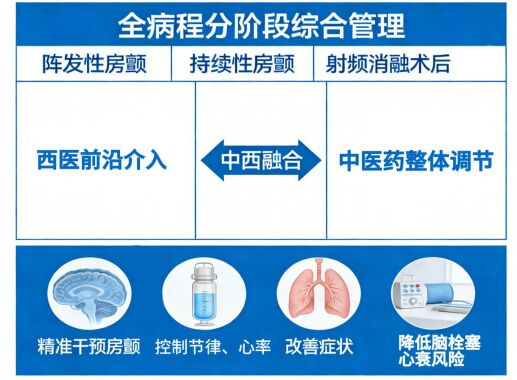
The traditional Chinese medicine Tongxinluo is guided by the TCM collateral-disease theory and was developed under the leadership of an academician expert team. Based on years of clinical treatment experience in the Cardiovascular Department of Hebei Yiling Hospital and through the transformation of scientific research achievements, it is applied in a syndrome-differentiated manner for coronary heart disease treatment. It can significantly stabilise vulnerable plaques, reduce the incidence of cardiovascular events, and improve the long-term prognosis of patients undergoing intervention for acute myocardial infarction. As the National TCM Cardiovascular Disease Diagnosis and Treatment Centre and a National Clinical Key Specialty, the Cardiovascular Department of Hebei Yiling Hospital fully utilises the advantages of integrated Chinese and Western medicine. On one hand, it has jointly established the “Beijing Fuwai–Hebei Yiling Hospital Cardiovascular Disease Diagnosis and Treatment Base” with Beijing Fuwai Hospital, collaboratively conducting interventional treatments for cardiovascular diseases such as acute myocardial infarction stenting, arrhythmia radiofrequency ablation, and pacemaker implantation. It has also passed national standard certifications for Chest Pain Centre, Atrial Fibrillation Centre, and Heart Failure Centre, establishing the hospital’s leading domestic position in diagnosing and treating major cardiovascular diseases. On the other hand, guided by TCM collateral-disease theory, the department has systematically studied the pathogenesis of coronary heart disease, arrhythmia, and chronic heart failure, formulating new treatment methods and effective prescriptions from a novel perspective. Relying on specially developed collateral-unblocking medicines, it has established a systematic collateral treatment programme for cardiovascular diseases, forming a distinctive integrated Chinese-Western medicine approach in treating vascular lesions within the department.
The occurrence of “heart diseases” such as angina pectoris and myocardial infarction is mostly caused by vascular lesions, where endothelial damage and plaque formation block blood vessels, impairing myocardial blood supply and resulting in clinical manifestations such as chest tightness, chest pain, palpitations, myocardial ischaemia, and myocardial necrosis. For vascular lesions caused by plaque blocking blood vessels, TCM classifies these as collateral diseases. The term “collateral” includes “qi collaterals” and “blood vessels”; in TCM, “blood vessels” encompass the blood vessels recognised by Western medicine, especially some microvessels. The Cardiovascular Department of Hebei Yiling Hospital inherits and innovates the TCM collateral-disease theory and collateral system theory, applying collateral-unblocking medicines in a syndrome-differentiated manner. These medicines can protect vascular endothelium, prevent vascular spasm-induced angina, inhibit plaque formation, stabilise plaques, and prevent plaque rupture, thereby significantly improving clinical efficacy. The collateral treatment methods and medicines developed through years of clinical research effectively improve symptoms and prognosis of common cardiovascular diseases such as coronary heart disease, arrhythmia, and chronic heart failure.
The Cardiovascular Department of Hebei Yiling Hospital leverages major theoretical innovations in collateral-disease theory and collateral system theory to drive clinical disease treatment. This has not only significantly enhanced clinical treatment levels but also, through the transformation of scientific research achievements, established extensive academic collaborations with domestic and international research institutes and renowned experts. Basic and clinical research evidence has confirmed the important scientific value of collateral-disease theory and collateral-unblocking medicines in disease prevention and treatment, achieving major academic accomplishments. Among these, the study on Tongxinluo Capsules for coronary heart disease won the 2000 National Science and Technology Progress Award Second Prize; research on collateral-disease theory and its applications won the 2006 National Science and Technology Progress Award Second Prize; the study on Sansong Yangxin Capsules for arrhythmia won the 2009 National Science and Technology Progress Award Second Prize; and the construction of TCM collateral system theory and its guidance for microvascular disease prevention and treatment won the 2019 National Science and Technology Progress Award First Prize.
— Article excerpted from Hebei News Network, 18 November 2023