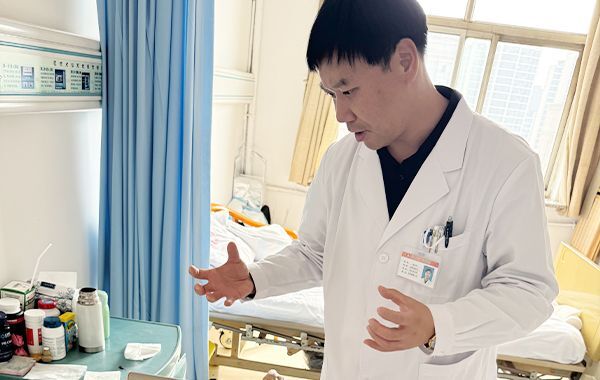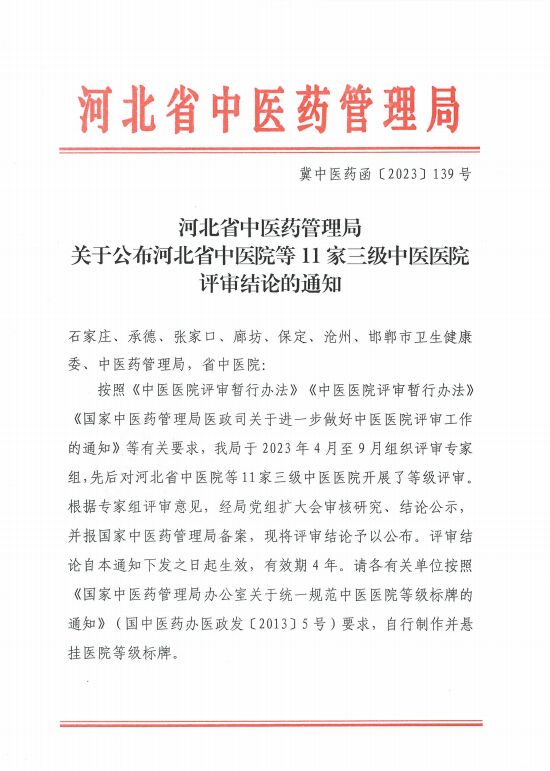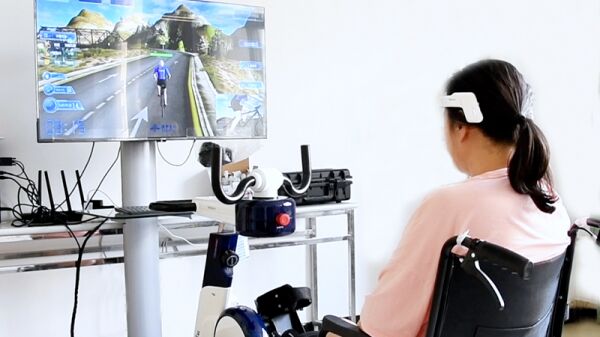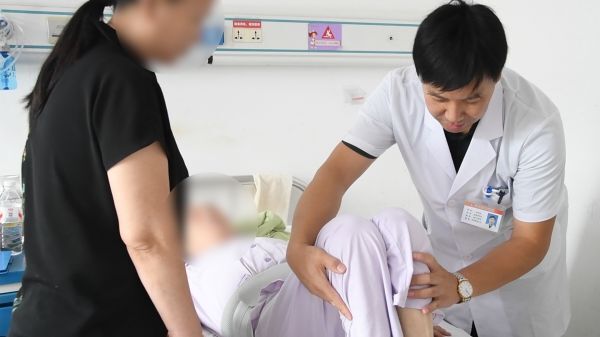
Recently, after review by the Provincial Health Commission, Hebei Yiling Hospital was approved as a member hospital of the Hebei Rare Disease Specialty Alliance and one of the hospitals in the Rare Disease Diagnosis and Treatment Collaboration Network of Hebei Province. This marks our hospital’s leading position in rare disease treatment, clinical research, achievement transformation, and public science education.
It is understood that rare diseases, also known as “orphan diseases,” currently number over 7,000 worldwide. They have an extremely low incidence and complex pathogenesis, with more than 80% caused by genetic mutations. To strengthen the diagnosis and treatment management of rare diseases, improve diagnostic and therapeutic standards, and protect the rights and interests of rare disease patients, the Hebei Rare Disease Specialty Alliance was established under the guidance of the Provincial Health Commission, led by the Second Hospital of Hebei Medical University, with participation from 92 member units across the province.
As a member unit of the Hebei Rare Disease Alliance and a hospital in the collaboration network, our hospital will leverage over 30 years of integrated Chinese and Western medicine diagnostic and treatment expertise and more than 100 types of distinctive in-house preparations to provide precise diagnosis and related treatment plans and recommendations for rare disease patients. Especially for patients with motor neuron disease, muscular dystrophy, myasthenia gravis, multiple sclerosis, systemic sclerosis, myositis, and others, we will concentrate superior resources to resolve clinical challenges, ensuring better diagnosis, treatment, and management, thereby further enhancing the level of rare disease care. Additionally, our hospital has undertaken multiple research projects related to rare diseases, winning numerous awards; we have transformed 13 nationally approved patented new drugs, 8 of which are included in the medical insurance catalogue and 5 in the essential medicines list, generating significant social and economic benefits and achieving fruitful results.
Going forward, our hospital will continue to improve the diagnostic capabilities and treatment levels for rare disease patients, actively manage their diagnosis, treatment, and long-term care, and ensure proper referral and continuity of care as required. We will fully utilise the hospital’s high-quality medical resources to enhance comprehensive rare disease diagnosis and treatment capabilities. Furthermore, we will explore establishing a multi-party payment mechanism for rare diseases, continue efforts to include relevant rare disease medications in the hospital’s formulary and essential medicines supply list, and incorporate these drugs into the medical insurance coverage to meet clinical medication needs and reduce the financial burden on patients. Concurrently, we will continue to explore and conduct research projects related to rare diseases, promote the transformation of research outcomes and the application of appropriate technologies, develop guideline documents related to rare disease diagnosis and treatment, strengthen training for medical staff, enhance quality and safety awareness, and actively explore the application of multidisciplinary team (MDT) approaches in rare disease care. Following the principle of “registering every identified case,” designated personnel will promptly report relevant patient information to the China Rare Disease Diagnosis and Treatment Service Information System and maintain proper information registration and management.
In the future, our hospital will continue to enhance diagnostic and treatment capabilities for rare disease patients, actively manage their diagnosis, treatment, and long-term care, and ensure proper referral and continuity of care as required. We will fully utilise the hospital’s high-quality medical resources to improve comprehensive rare disease diagnosis and treatment capabilities. Additionally, we will explore establishing a multi-party payment mechanism for rare diseases, continue efforts to include relevant rare disease medications in the hospital’s formulary and essential medicines supply list, and incorporate these drugs into the medical insurance coverage to meet clinical medication needs and reduce the financial burden on patients. At the same time, we will continue to explore and conduct research projects related to rare diseases, promote the transformation of research outcomes and the application of appropriate technologies, develop guideline documents related to rare disease diagnosis and treatment, strengthen training for medical staff, enhance quality and safety awareness, and actively explore the application of multidisciplinary team (MDT) approaches in rare disease care. Following the principle of “registering every identified case,” designated personnel will promptly report relevant patient information to the China Rare Disease Diagnosis and Treatment Service Information System and maintain proper information registration and management.
Written/Edited by Gai Yuanyuan
Rare Disease Treatment Department Links
Muscular Atrophy Department
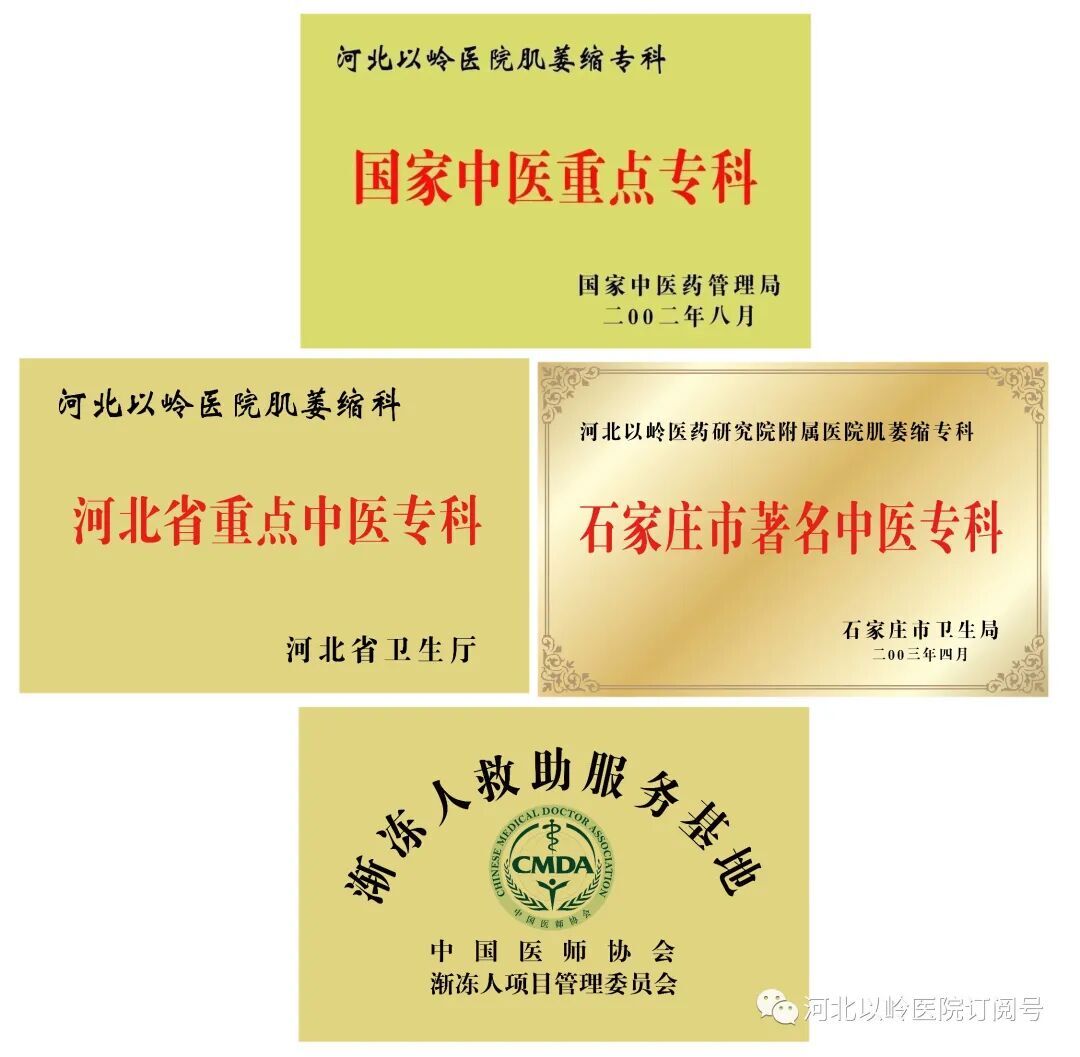
The Muscular Atrophy Department of Hebei Yiling Hospital was established in 1992. It is a key specialty designated by the National Administration of Traditional Chinese Medicine during the 10th, 11th, and 12th Five-Year Plans, as well as the Hebei Provincial Muscular Atrophy Treatment Center and the Amyotrophic Lateral Sclerosis (ALS) Assistance Service Base.
Over more than 30 years since its establishment, the department has diagnosed and treated over 100,000 patients from more than 30 countries and regions including Russia, Japan, Pakistan, and Egypt. With its outstanding traditional Chinese medicine characteristics and remarkable clinical efficacy, it has created significant social benefits and become a nationally renowned specialty.

Building on the inheritance of traditional Chinese medicine, the department diligently studies classical teachings, extensively collects various prescriptions, and innovates. Guided by the collateral meridian and collateral disease theories, it is dedicated to researching and treating globally challenging diseases, proposing a series of new academic viewpoints. For motor neuron disease, it has proposed a dialectical treatment system theory of “collateral meridian treatment, five viscera differentiation, and triple burner differentiation,” adopting the therapy of “regulating and tonifying the collateral meridians, supporting the root to counter atrophy, nourishing and promoting muscle growth.” Combining modern molecular biology and the latest research advances, it has developed the muscular atrophy treatment drug Jiweiling and its series of preparations. For progressive muscular dystrophy, it established the viewpoint of “collateral meridian and collateral disease” treatment and proposed a scientifically based “diversified stepwise” comprehensive treatment method. For myasthenia gravis, it pioneered treatment based on collateral meridian theory and collateral disease doctrine, identifying “deficiency of extraordinary yang, depletion of true essence, and stagnation of collateral qi” as key pathogenic mechanisms, establishing the treatment principles of “warming and regulating extraordinary yang, supporting the root and invigorating decline, and unblocking collateral qi,” and developed a series of traditional Chinese medicine prescriptions for myasthenia gravis. For syringomyelia and multiple sclerosis, it created the “kidney governor and collateral vessel” theory, adopting the therapy of “replenishing essence and benefiting marrow, filling the governor vessel and activating collaterals,” and developed the Yishui series of prescriptions. The department has developed more than 30 distinctive preparations, which are well received by patients with muscular atrophy.
★
Rheumatology Department
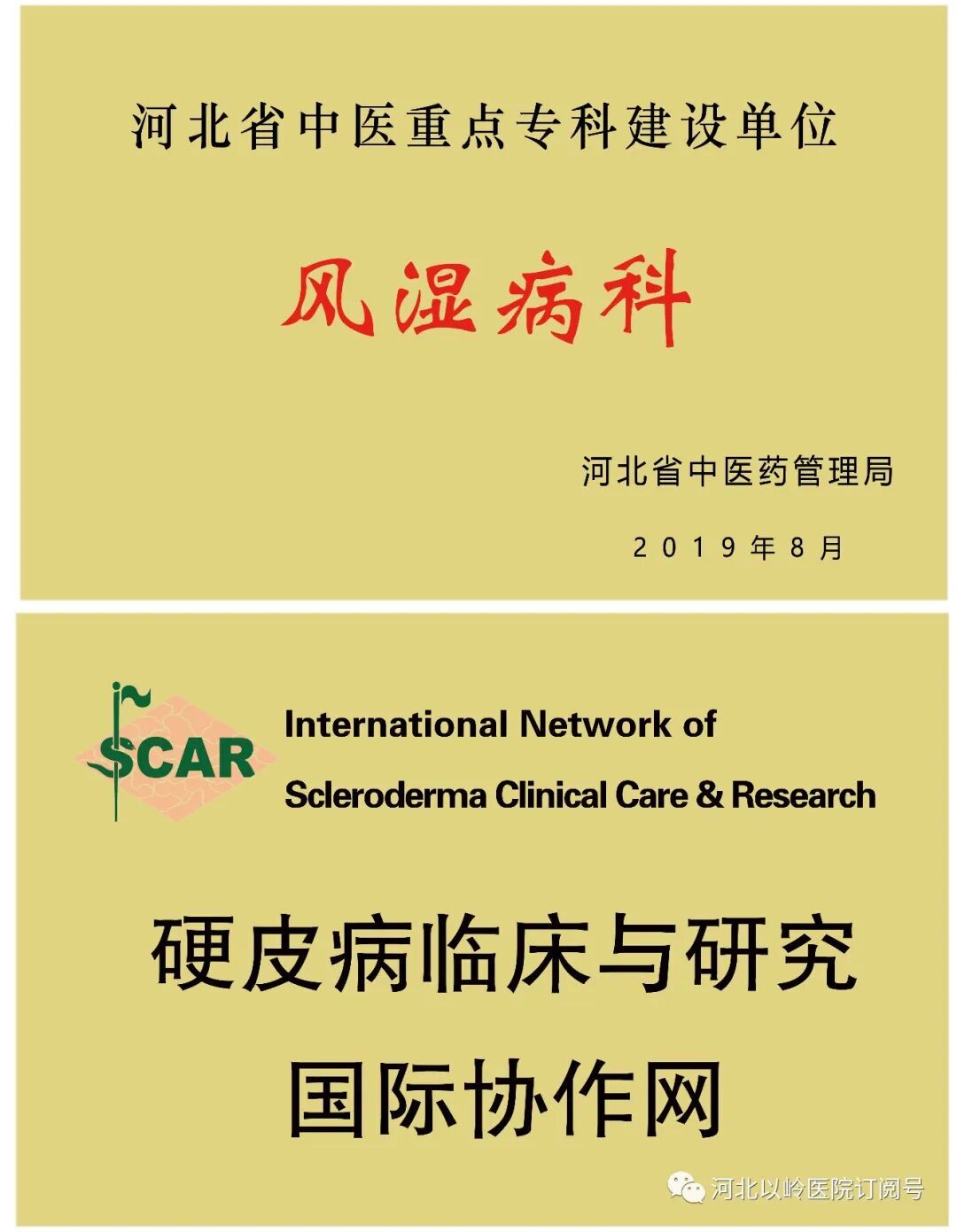
The Rheumatology Department of Hebei Yiling Hospital was established in 1998 and is one of the earliest rheumatology departments in Hebei Province. It is currently a key specialty unit under the Hebei Provincial Administration of Traditional Chinese Medicine, the Hebei Provincial Society of Traditional Chinese Medicine Rheumatology and Orthopedics Committee, and the Hebei Province Association of Integrated Chinese and Western Medicine Rheumatology Branch, serving as the deputy chair unit. It is also a founding unit of the International Scleroderma Clinical and Research Collaboration Organization (inSCAR).
For more than 20 years, the Rheumatology Department has been guided by traditional Chinese medicine collateral disease theory, conducting in-depth research on the syndrome differentiation and treatment rules of rheumatic immune diseases related to collateral disease, forming its own distinctive advantages. It has achieved remarkable results in treating systemic sclerosis, Sjögren’s syndrome, ankylosing spondylitis, rheumatoid arthritis, and other rheumatic immune diseases. It proposed that the lesion location of systemic sclerosis is in the collaterals, with early external invasion by the six pathogenic factors affecting the muscles and skin, lodging in the yang collaterals, causing pathological changes such as qi stagnation, blood stasis, and phlegm coagulation. These pathological changes form the pathological basis for systemic sclerosis progressing into the collaterals and causing dysfunction of the viscera and yin collaterals. It identified “qi and yin deficiency” as the pathogenic basis of primary Sjögren’s syndrome, “dryness-heat injuring fluids and phlegm-stasis mutual binding” as the main pathological links, and “collateral congestion and accumulation” as the primary pathological changes, formulating the treatment method of “benefiting qi and nourishing yin, clearing heat and moistening dryness, unblocking collaterals and resolving accumulations.” It proposed a “systematic comprehensive, sequential intensified” treatment approach for ankylosing spondylitis and rheumatoid arthritis to stabilise the condition, reduce relapses, and mitigate side effects of steroids and other Western medicines.
The department has developed 34 distinctive in-house preparations and more than 20 specialised treatment techniques, including traditional Chinese medicine herbal baths, fumigation, foot baths, large moxibustion, fire dragon moxibustion, traditional Chinese medicine iontophoresis, herbal nebulisation inhalation, and parotid duct injections, achieving remarkable clinical therapeutic effects. The integrated Chinese and Western medicine approach has clear advantages in preventing disease recurrence and improving patients’ quality of life, and is well received by patients with rheumatic immune diseases.
Introduction to Hebei Yiling Hospital
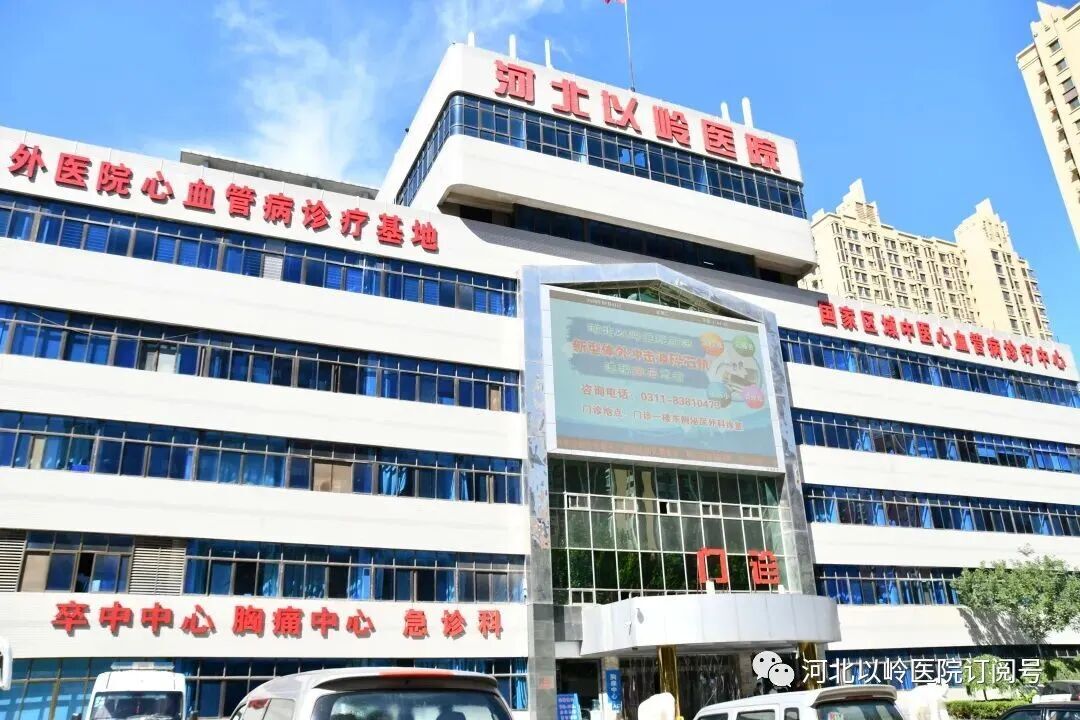
Founded in 1992 by Academician Wu Yiling, Hebei Yiling Hospital adheres to the innovation of traditional Chinese medical academic theory to improve the treatment of refractory diseases and promote the development of distinctive specialties. After more than 30 years of rapid development, it has become a modern, comprehensive, tertiary Grade-A hospital integrating Chinese and Western medicine.
The hospital is currently affiliated with Hebei Medical University, Hebei University of Traditional Chinese Medicine, Hebei North University, and Nanjing University of Chinese Medicine. It is a designated hospital for provincial and municipal medical insurance, a cross-province medical treatment network hospital, Shijiazhuang City railway medical insurance designated hospital, commercial insurance designated hospital, national pilot hospital for work injury rehabilitation, Hebei Province Work Injury Rehabilitation Center, Hebei Province Traditional Chinese Medicine Muscular Atrophy Treatment Center, Hebei Province Traditional Chinese Medicine Diabetes Treatment Center, and Shijiazhuang City 120 Emergency Substation.
The Cardiovascular Department is a national key clinical specialty of traditional Chinese medicine and a national regional TCM diagnosis and treatment centre. The Diabetes and Muscular Atrophy Departments are key specialties under the National Administration of Traditional Chinese Medicine. The Rheumatology, Rehabilitation, and Neurology Departments are key TCM specialties in Hebei Province. The Nephrology, Spleen and Stomach, Pulmonology, and Oncology Departments are key specialties in Shijiazhuang City. Hebei Yiling Hospital’s 30-plus years of development have followed a successful path driven by innovation in traditional Chinese medical academic theory, promoting departmental construction and distinctive development.
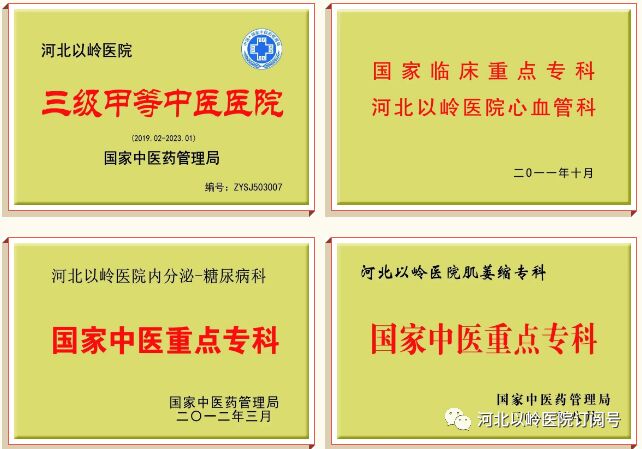
The hospital consistently adheres to the strategies of talent development and scientific and technological advancement. It employs nearly 1,000 medical and nursing staff, including more than 200 high-level professionals such as postdoctoral fellows, PhDs, masters, professors, and chief physicians. It undertakes teaching tasks for undergraduate and graduate students of Hebei Medical University. The hospital has 1,000 beds and 32 clinical departments, including Cardiovascular, Neurology, Endocrinology, Nephrology, Pulmonology, Rehabilitation, Rheumatology, Muscular Atrophy, Oncology, Spleen and Stomach, Orthopedics, Surgery, Neurosurgery, Vascular Surgery, Urology, Obstetrics and Gynecology, Pediatrics, Emergency, ENT, Ophthalmology, Stomatology, Dermatology, and Acupuncture.
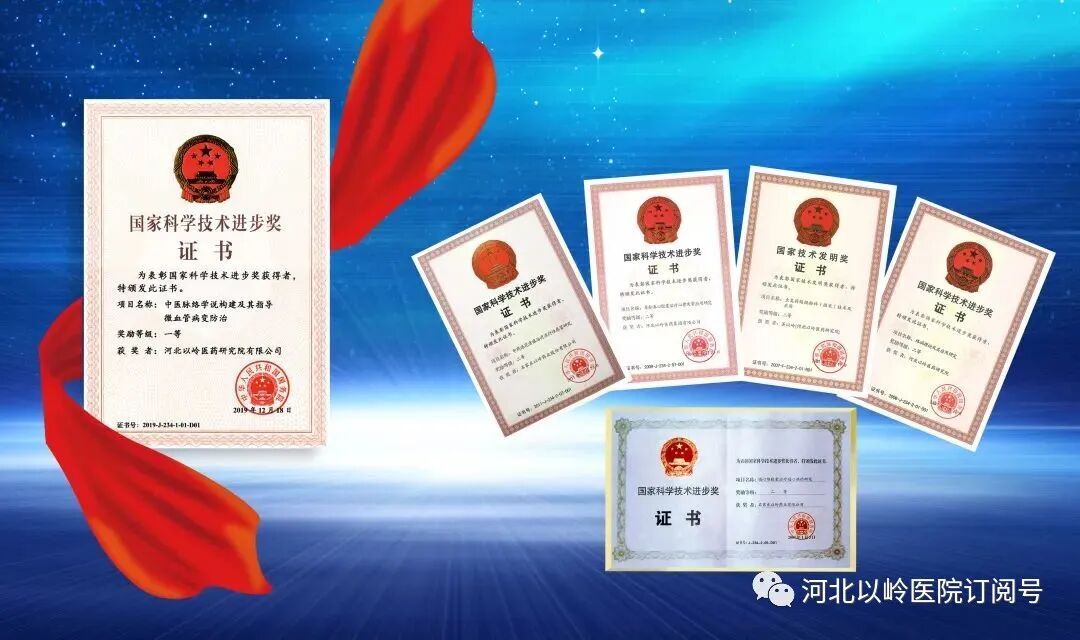
The hospital has undertaken two National 973 Projects, the National Key R&D Program, the 10th Five-Year Plan key projects, the National Natural Science Foundation, and more than 30 national and provincial research projects. It has won over 20 awards, including the National Science and Technology Progress First Prize, Second Prize, the Chinese Medicine Science and Technology First Prize, and the Hebei Provincial Science and Technology Progress Second Prize. Research has promoted new drug development, with over 100 self-developed research drugs applied clinically, and 10 drugs approved as nationally recognised new drugs.
The hospital is equipped with various large-scale medical devices, including ultra-high-end colour spectral CT, high-end Siemens SOMATOM FORCE open-source CT, Philips fully digital 3.0T MRI, Siemens 3.0T 48-channel superconducting MRI, France’s Supersonic Imagine top-level specialised differential diagnostic ultrasound system, capsule endoscopy, Olympus V290 electronic gastrointestinal endoscope, digital subtraction angiography machine, GE fully digital colour Doppler ultrasound, advanced imaging and laboratory centres, gastrointestinal endoscopy, endoscopy, arthroscopy series, and modern Class 100 laminar flow operating theatres.
Following the path of distinctive excellence, creating a renowned comprehensive development hospital. Yiling Hospital continuously improves medical standards through innovative medical technology and earns patients’ trust with high-quality service. Yiling Hospital is your home for health.