With the intensification of population aging in China, atrial fibrillation (AF) has become a major public health challenge in the cardiovascular field. According to the latest data, the total number of AF patients in China has exceeded 20 million. The strokes, heart failure, and high mortality rates caused by AF are seriously threatening the cardiovascular and cerebrovascular health of the population.
Against this backdrop, the Department of Cardiovascular Diseases at Hebei Yiling Hospital, leveraging two national-level platforms—the National Key Clinical Specialty of Traditional Chinese Medicine (TCM) and the National Regional TCM Cardiovascular Disease Diagnosis and Treatment Center—has developed a comprehensive whole-cycle AF management model integrating both Chinese and Western medicine. This model aims to break the inherent limitations of traditional single-modality treatment and provide patients with one-stop, systematic, high-quality medical services covering acute intervention through to long-term chronic disease management.
1. Facing the “Heart” Problem Head-On: Current Status and Challenges in AF Clinical Management
Currently, clinical diagnosis and treatment of AF focus primarily on three core areas: rhythm control, ventricular rate control, and anticoagulation with stroke prevention. However, objectively, conventional treatments targeting these three areas have certain efficacy limitations and cannot fundamentally resolve the core pathological issues underlying AF onset and progression, nor effectively halt AF advancement.
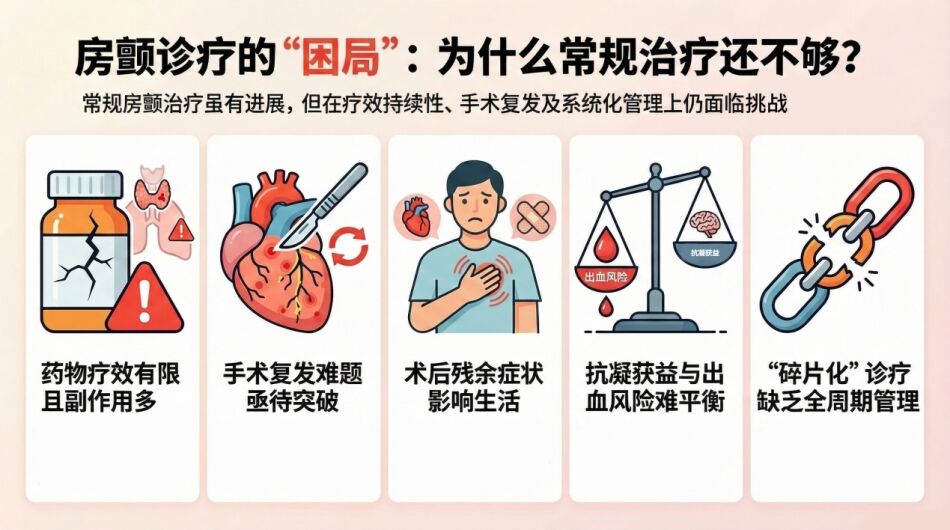
The limitations of conventional Western medical treatments are mainly reflected in the following aspects:
(1) In symptom control, specifically heart rate control and rhythm management, commonly used rate control and antiarrhythmic drugs have limited effectiveness in maintaining stable normal rhythm. Moreover, some drugs, when taken long-term, may cause adverse effects such as thyroid dysfunction and pulmonary fibrosis, leading many patients to struggle with medication adherence;
(2) Even catheter radiofrequency ablation, currently the first-line rhythm control therapy, faces challenges with AF recurrence due to local inflammation, atrial edema, poor atrial substrate, neural dysfunction, or failure of pulmonary vein electrical isolation. This remains a major clinical hurdle requiring breakthroughs;
(3) Additionally, international studies indicate that many patients continue to experience significant palpitations, chest tightness, and other discomforts after ablation. These symptoms not only reduce quality of life and increase psychological burden but also further raise the risk of AF recurrence;
(4) Regarding anticoagulation and stroke prevention, although long-term anticoagulant use effectively reduces stroke risk caused by thrombosis, elderly patients or those with high bleeding risk face significant bleeding risks with prolonged medication. Balancing the benefits and risks of anticoagulation therapy is challenging.
In clinical practice, treatments often address these three directions separately, with single-dimensional, target-specific interventions—essentially “fragmented” care—without forming a systematic management approach covering the entire AF disease process and whole cycle. This results not only in suboptimal overall treatment outcomes but also in persistent symptoms such as palpitations and chest tightness, making long-term health benefits difficult to guarantee.
How to overcome the clinical dilemma of “easy recurrence after surgery, difficulty balancing drug efficacy, and residual symptoms,” break through the limitations of fragmented treatment, balance the benefits and bleeding risks of anticoagulant therapy, and delay or even reverse AF-induced cardiac pathological damage has become the core challenge in current AF diagnosis, treatment, and whole-cycle management.
2. Building a “Dual-Engine” Platform: Integrative Chinese and Western Medicine Coordination to Solve AF Management Challenges
Based on the core clinical challenges in AF diagnosis and treatment, Hebei Yiling Hospital, relying on the National Regional TCM Cardiovascular Disease Diagnosis and Treatment Center and the National Key Clinical Specialty of TCM, guided by the TCM collateral-disease theory, has integrated multidisciplinary resources including emergency, cardiovascular, and electrophysiology intervention departments to successfully establish a “dual-engine” technology platform for AF diagnosis and treatment integrating Chinese and Western medicine.
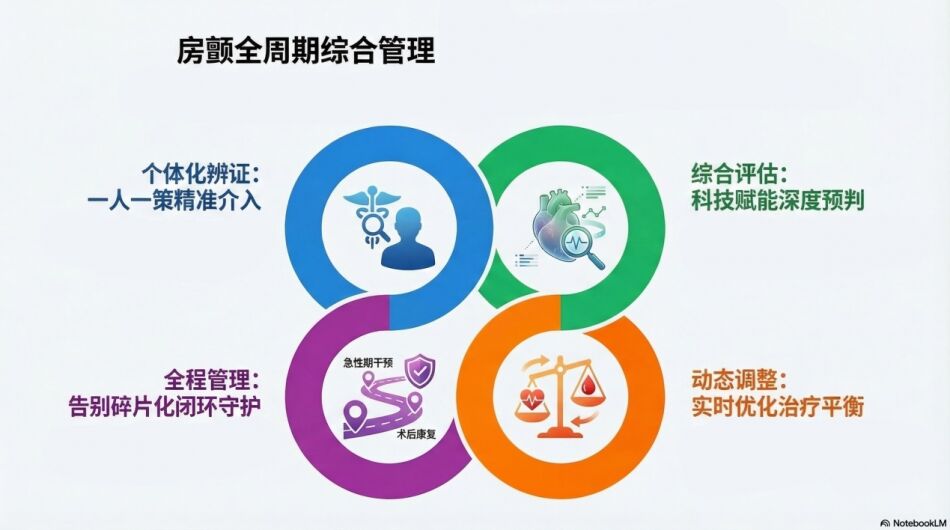
The core of this platform lies in a fundamental shift in management philosophy: AF is no longer viewed as a one-time cardioversion event in the clinic but as a chronic systemic disease requiring long-term, continuous management. Under this model, whole-cycle comprehensive management is defined as an organic combination of individualized syndrome differentiation, comprehensive assessment, dynamic adjustment, and full-process management.
The platform operates based on a high-level talent hierarchy and research support.
In Western medicine, the team is led by Associate Chief Physician Zhao Mingzhong, a postdoctoral fellow in cardiovascular medicine from Peking University and a global training expert in left atrial appendage occlusion from Boston Scientific, USA, who holds qualifications in coronary intervention, arrhythmia catheter ablation and pacing therapy, and structural heart disease intervention. He is joined by core experts such as Chief Physician Jiang Lei, who has accumulated over 1,500 successful cases in three-dimensional mapping and interventional surgery, forming a top-tier electrophysiology intervention team for arrhythmia diagnosis and treatment.
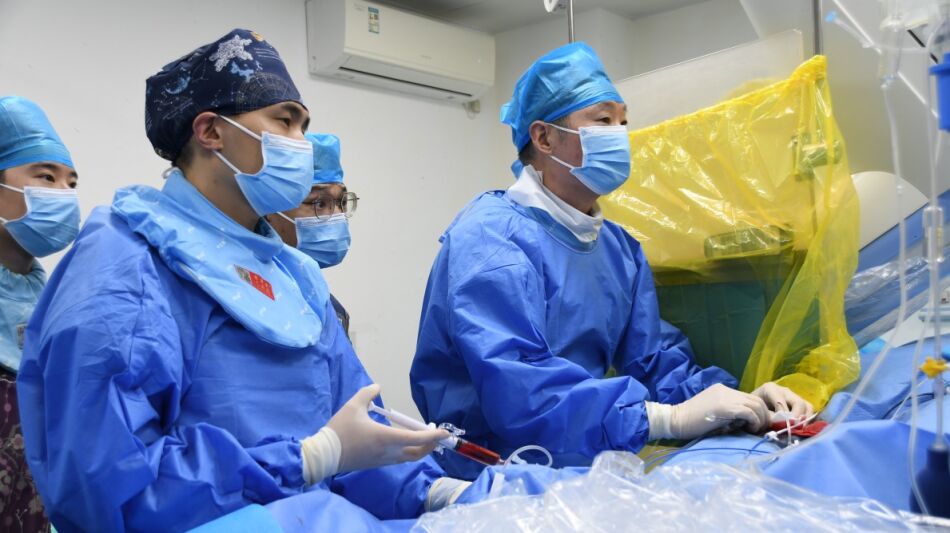
(Associate Chief Physician Zhao Mingzhong, Vice President of Hebei Yiling Hospital and Director of the Department of Cardiovascular Diseases, and Chief Physician Jiang Lei, Director of the Second Cardiovascular Ward, performing electrophysiology intervention surgery)
Meanwhile, in the field of TCM, the team is led by Professor Jia Zhenhua, a national “Ten Thousand Talents Program” leading talent and Qihuang Scholar, supported by the National Key Laboratory for Innovation and Translation of Collateral-Disease Theory. They fully leverage the unique advantages of TCM’s holistic regulation and individualized syndrome differentiation to provide solid theoretical support and innovative ideas for clinical decision-making and treatment planning.

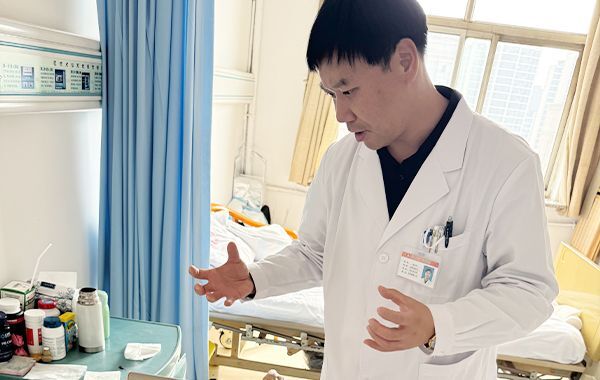
(Professor Jia Zhenhua, leader of the Cardio-Pulmonary Key Specialty at Hebei Yiling Hospital, in outpatient consultation)
Clinically, the platform has developed a collaborative diagnosis and treatment model: during the acute phase of the disease, Western medicine experts intervene rapidly to precisely address the lesion; during the perioperative and long-term management phases, TCM methods are systematically integrated alongside Western medications for holistic regulation. The ultimate goal is to reduce recurrence rates, improve patient symptoms, and enhance long-term survival quality. This “dual-engine” integrative model not only brings together top experts from both Chinese and Western medicine but also achieves deep, organic coordination between cutting-edge interventional procedures and evidence-based herbal treatments, jointly serving patients’ whole-cycle health management.
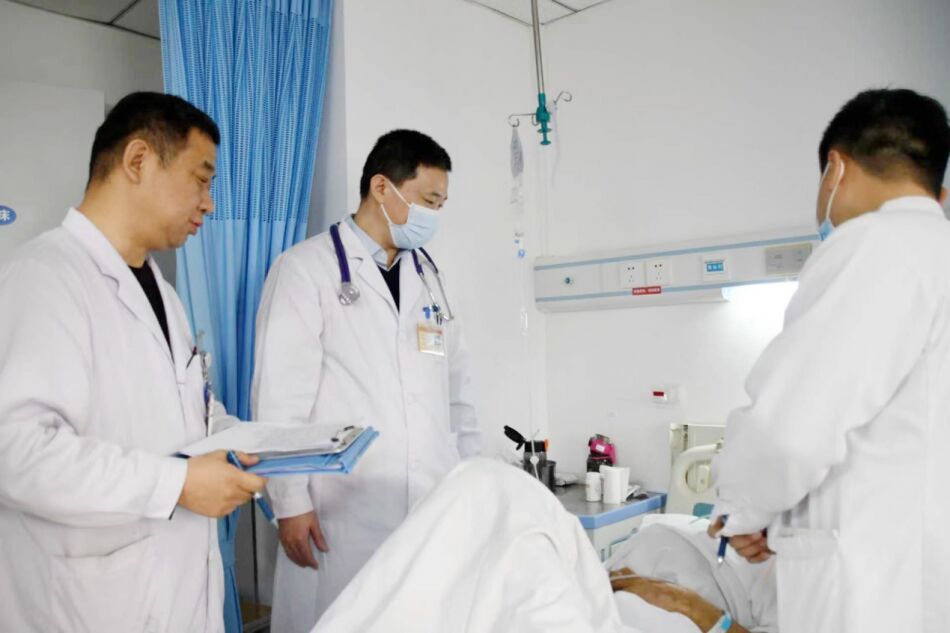
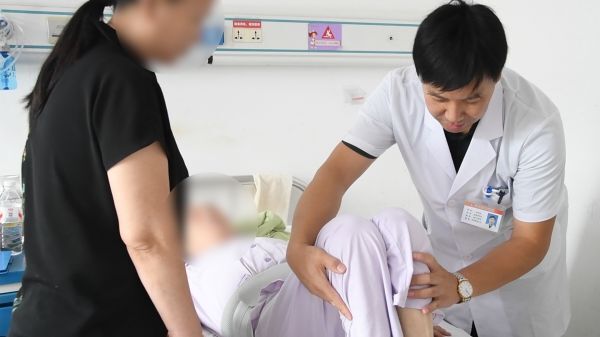
(Chinese and Western medicine expert teams conducting joint ward rounds)
Cutting-Edge Interventional Techniques: Precise Physical Intervention and Thrombus Source Occlusion
In the acute phase of AF diagnosis and treatment, precise interventional therapy is a key method for rhythm control and embolism prevention. The platform is equipped with internationally mainstream digital subtraction angiography (DSA) systems, three-dimensional mapping systems, and intracardiac echocardiography (ICE), providing precise support for complex AF ablation procedures. Catheter ablation physically blocks abnormal electrical signal conduction causing atrial fibrillation. In addition to traditional radiofrequency ablation, the hospital also performs advanced techniques such as pulsed field ablation to reduce atrial electrical remodeling. For patients at high stroke risk who are unsuitable for long-term oral anticoagulants, percutaneous left atrial appendage occlusion offers an effective non-pharmacological preventive measure by implanting an occluder to block thrombus entry from the anatomical source into systemic circulation, significantly reducing bleeding risks associated with long-term anticoagulation in some patients.
Furthermore, for patients with conduction block or heart failure, the hospital performs physiological pacing in the left bundle branch area, activating the heart’s intrinsic conduction system to achieve more physiologically appropriate electrical conduction and optimize cardiac contraction coordination.
Integration and Regulation with Traditional Chinese Medicine: Enhancing Efficacy and Safety
As a vital component of the “dual-engine” platform, TCM treatments guided by collateral-disease theory play a key role in symptom improvement and recurrence risk reduction. A gradually established evidence-based herbal intervention system includes patented or in-house preparations such as Shen Song Yang Xin Capsule, Tong Bu Fang Chan Granules, and Yi Qi Qing Xin Capsule. These formulas transcend the traditional single-focus “antiarrhythmic” approach by achieving multi-system, multi-target integrated regulation of the body’s qi and blood network, thereby systematically managing arrhythmias and other cardiovascular diseases.
Among these, Shen Song Yang Xin Capsule, the first innovative Chinese medicine recommended by the “Chinese Atrial Fibrillation Management Guidelines (2025)”, has a mechanism of “integrated regulation and simultaneous treatment of fast and slow rhythms.” It can inhibit abnormal ion channels while modulating non-ion channel factors, helping to reverse atrial electrical and structural remodeling. Clinical evidence shows its efficacy in treating paroxysmal AF is comparable to the classic antiarrhythmic drug propafenone, with superior improvement in AF-related symptoms and good safety. Another study demonstrated that combining Shen Song Yang Xin Capsule with catheter ablation significantly reduced AF recurrence risk by 40% within one year post-procedure, decreased AF burden, and improved patients’ quality of life.
In addition to guideline-recommended medications, the in-house specialty preparation Tong Bu Fang Chan Granules, a core drug for AF, has shown in animal models significant effects in prolonging AF induction time, shortening duration, and reducing AF susceptibility. It intervenes multi-targetedly in cardiac remodeling through electrical signals, cardiac structure, and neural regulation. Long-term clinical use indicates this formula improves post-ablation quality of life and reduces long-term recurrence rates. A randomized controlled study involving 72 paroxysmal AF patients showed that adding this granule to standard Western treatment for three months reduced AF recurrence rates by 50% compared to Western treatment alone; patients experienced a marked reduction in episode frequency after one month and a 65% decrease after three months, with an average extension of AF-free time by approximately 45 days and significant improvement in quality of life.
The integration of TCM is not a simple replacement of Western medicine but forms deep synergy, especially during the post-ablation “blanking period.” Chinese herbal medicine suppresses local inflammation and oxidative stress, effectively lowering early recurrence risk and providing comprehensive benefits in both physical health and psychological well-being.
4. Whole-Cycle Management: Comprehensive Assessment and Phase-Specific Customized Systemic Intervention
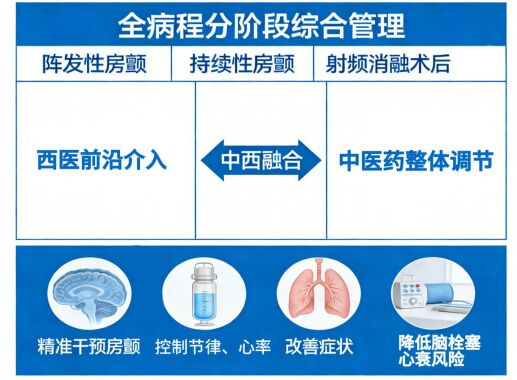
AF is a progressively evolving disease with distinct pathological stages. The platform has established a three-stage management system, dynamically adjusting treatment strategies according to disease stage.
Paroxysmal AF: Early Intervention to Effectively Reduce Episodes
Paroxysmal AF represents the early disease stage, with no severe atrial enlargement and reversible electrical remodeling. However, if symptoms are severe and intervention is lacking, progression to persistent AF is likely. The main goals at this stage are symptom improvement, episode reduction, and maintenance of sinus rhythm. The department advocates early active rhythm management (primarily ablation) combined with TCM regulation using Tong Bu Fang Chan Granules. Even patients not undergoing ablation can experience significant symptom improvement with this herbal treatment. For example, Mr. Wang, aged 67, with a 3-year history of paroxysmal AF and frequent episodes accompanied by severe shortness of breath, showed markedly reduced episode frequency and duration and significantly improved quality of life after three weeks of syndrome-differentiated Tong Bu Fang Chan Granules treatment.
Persistent AF: Symptom Improvement and Quality of Life Enhancement
At this stage, atrial fibrosis is often present, heart failure worsens, and the left atrial appendage is prone to thrombus formation. The department stratifies patients based on age and disease severity:
Minimally Invasive Cardioversion Treatment Pathway: Precise Rhythm Restoration via Catheter Ablation. For patients with relatively short disease duration and mild left atrial enlargement, catheter radiofrequency or pulsed field ablation is prioritized to restore normal rhythm.
Left Atrial Appendage Occlusion Treatment Pathway: For patients at high risk of stroke based on the CHA2DS2-VASc score (men ≥2 points, women ≥3 points) who are unsuitable for or unwilling to take long-term oral anticoagulants, percutaneous left atrial appendage occlusion can be considered to prevent stroke or thromboembolism, thereby eliminating the thrombus risk at its source. Concurrently, Tongbu Fangzhen Granules are used to improve clinical symptoms and enhance quality of life. For example, a 76-year-old woman with persistent atrial fibrillation who could not tolerate oral anticoagulants underwent left atrial appendage occlusion to avoid bleeding complications caused by anticoagulants. She continued taking Tongbu Fangzhen Granules, resulting in significant relief of palpitations, dizziness, fatigue, and other discomforts.
Conservative Management Treatment Pathway: For patients who have not undergone atrial fibrillation ablation or left atrial appendage occlusion, Tongbu Fangzhen Granules are used to alleviate symptoms. For instance, an 89-year-old extremely elderly patient admitted to our hospital received this conservative comprehensive intervention for two months, which effectively controlled severe symptoms and enabled a high quality of life despite the illness.
Post-Atrial Fibrillation Radiofrequency Ablation: Reducing Recurrence and Improving Long-Term Prognosis
Due to factors such as local inflammation, neural remodeling, poor atrial substrate, and incomplete pulmonary vein isolation, there remains a certain recurrence rate after radiofrequency ablation, with some patients experiencing residual symptoms like palpitations and chest tightness. At this stage, our department routinely applies syndrome differentiation and treatment, using Tongbu Fangzhen Granules and Shen Song Yang Xin Capsules to regulate the condition. These treatments modulate ion channels, inhibit local myocarditis, and reverse fibrosis, consolidating the electrophysiological therapy effect and providing dual benefits of reducing postoperative recurrence and improving symptoms. For example, a 60-year-old patient, Ms. Li, restored sinus rhythm after surgery but still experienced palpitations and chest tightness. After syndrome differentiation, doctors prescribed Tongbu Fangzhen Granules. A six-month follow-up showed no recurrence of atrial fibrillation, and residual chest tightness and palpitations had almost disappeared, with full recovery of normal activity.
Additionally, the platform centre regards risk factor control as key to preventing disease progression. Systematic interventions target triggers such as hypertension, diabetes, obesity, and sleep apnea, alongside guidance on a balanced diet and moderate exercise, comprehensively reducing atrial fibrillation burden and stroke risk.
Hebei Yiling Hospital has established a dual-engine platform integrating Chinese and Western medicine collaboration, offering atrial fibrillation patients a new paradigm from acute-phase intervention to long-term chronic disease management. This model successfully combines cutting-edge interventional techniques with evidence-based innovative Chinese herbal medicines, effectively addressing clinical challenges such as postoperative recurrence, balancing drug efficacy, and residual symptoms.
The core value of the whole-cycle integrated management model lies in its holistic approach: atrial fibrillation is no longer viewed merely as a cardiac rhythm disorder but as a comprehensive manifestation of systemic functional decline and imbalance. Through close multidisciplinary team collaboration, this model not only effectively protects cardiac function and significantly reduces stroke risk but has also helped numerous patients regain a high quality of life.
<w:LsdException Locked=”false” Priority=”99″ S