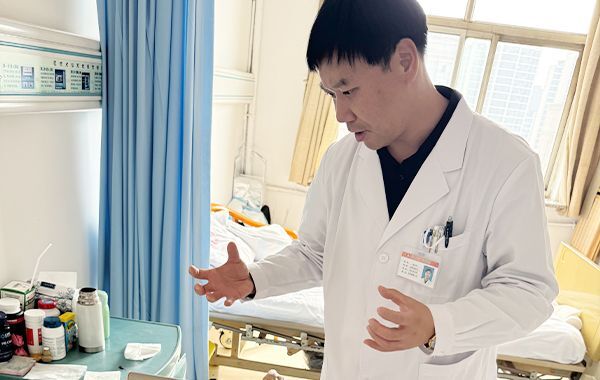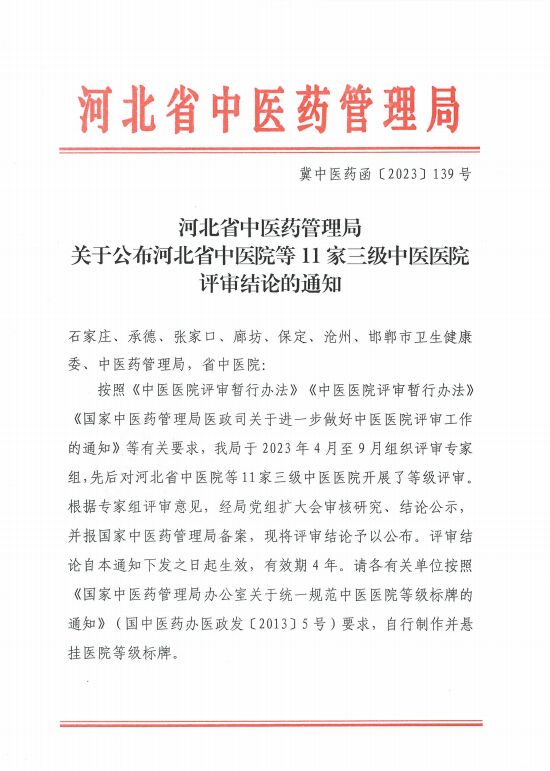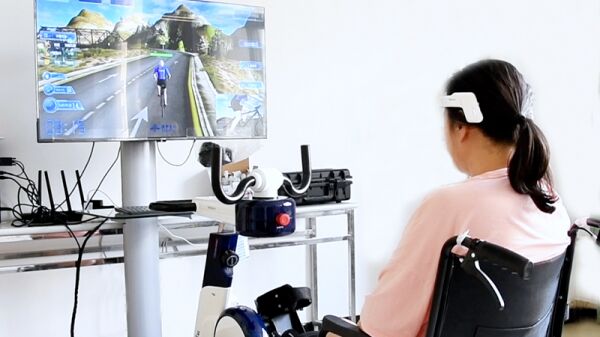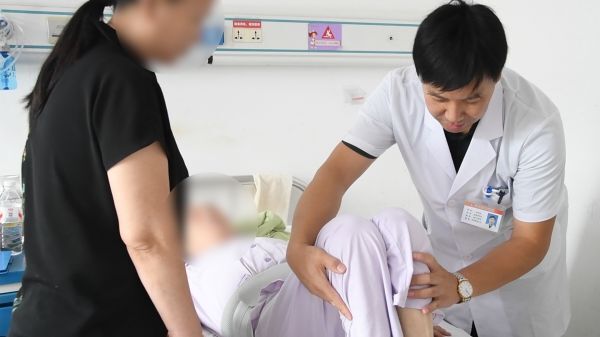
Recently, Tongbu Fangchan Granules developed by Hebei Yiling Hospital were officially approved as an in-house preparation for medical institutions. This formulation consists of 14 traditional Chinese herbs including Huangqi (Astragalus), fried Suanzaoren (Ziziphus spinosa seeds), Shanzhuyu (Cornus officinalis), and Yanhusuo (Corydalis), with the functions of unblocking and tonifying collateral deficiency and calming wind to stabilize palpitations. Clinical trials have demonstrated that it is effective and safe for treating paroxysmal atrial fibrillation characterized by ancestral qi deficiency, qi stagnation, and internal wind disturbing the collaterals.
Atrial fibrillation (AF) is an arrhythmia caused by ectopic pacemaker activity or conduction disturbances in the heart, leading to abnormal heart rate or rhythm. It is the most common arrhythmia encountered clinically and severely affects patients’ quality of life. If it progresses, it significantly increases the risk of stroke, myocardial infarction, heart failure, dementia, depression, and other complications, raising rates of disability and mortality. Currently, treatment mainly involves surgical methods such as radiofrequency ablation. Available medications are limited and often have a high incidence of adverse reactions. Even after radiofrequency ablation, the recurrence of AF or complications remain common. Therefore, there is an urgent clinical need for effective intervention strategies and drugs.
To address this therapeutic challenge, the Cardiovascular Department of Hebei Yiling Hospital adheres to the integrated development of Chinese and Western medicine and its distinctive diagnostic and treatment approach. Guided by the Traditional Chinese Medicine collateral-disease theory, it focuses on treating major cardiovascular diseases. Through continuous clinical summarization and improvement, it has achieved innovation in TCM theory and herbal formulations, proposed effective treatment methods and prescriptions, and promoted the translation of drug research and development, thereby forming a unique advantage in diagnosing and treating cardiovascular diseases.
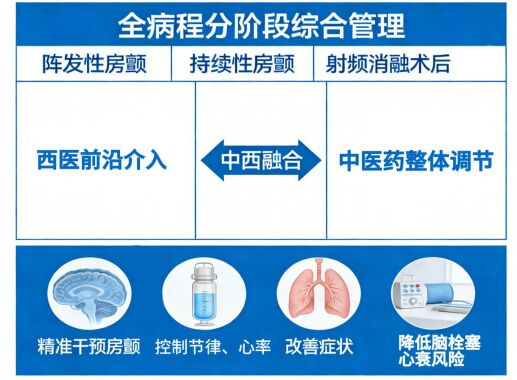
Based on the collateral-disease theory and clinical practice, the Cardiovascular Department of Hebei Yiling Hospital believes that “ancestral qi deficiency and collateral deficiency” are the fundamental causes of AF, while “qi stagnation and internal wind disturbing the collaterals” are the key pathological mechanisms. Accordingly, the treatment principle of “unblocking and tonifying collateral deficiency, calming wind and stabilizing palpitations” was formulated, leading to the creation of Tongbu Fangchan Granules. This formula “unblocks and tonifies collateral deficiency, providing peace of mind to prevent AF”; it tonifies qi and raises yang, nourishes yin and generates essence, activates blood circulation and qi movement to disperse stasis, clears heat, expels wind, and relieves pain. Thus, it calms the mind and relieves vexation, effectively improving symptoms in patients with paroxysmal AF such as palpitations, restlessness, shortness of breath, reluctance to speak, fatigue, dizziness, tinnitus, chest discomfort, insomnia, and vivid dreams. It enhances patients’ quality of life and achieves long-term disease control and management. Besides paroxysmal AF, Tongbu Fangchan Granules also show certain efficacy in persistent AF and in preventing AF recurrence after radiofrequency ablation.
The breakthrough achieved by Tongbu Fangchan Granules in AF drug therapy fully demonstrates the advantages of anti-arrhythmic Chinese medicine guided by the collateral-disease theory. This is one of the results of the Cardiovascular Department of Hebei Yiling Hospital’s long-term innovative research based on the collateral theory. As a National Regional TCM Cardiovascular Disease Diagnosis and Treatment Center and a National Key Clinical Specialty of TCM, the Cardiovascular Department adheres to the coordinated development of Chinese and Western medicine. Leveraging innovations in TCM academic theory, it promotes the construction and development of a high-quality integrated cardiovascular department. It has formed unique TCM treatment advantages for arrhythmias such as AF and premature beats, as well as major cardiovascular diseases including coronary heart disease and chronic heart failure. While alleviating symptoms, it also targets the underlying pathogenesis to improve cardiac function, achieving both symptomatic and root-cause treatment. Combined with continuously advancing modern cardiovascular interventional techniques, it provides patients with higher-quality integrated Chinese and Western medical care, comprehensively safeguarding cardiac health.