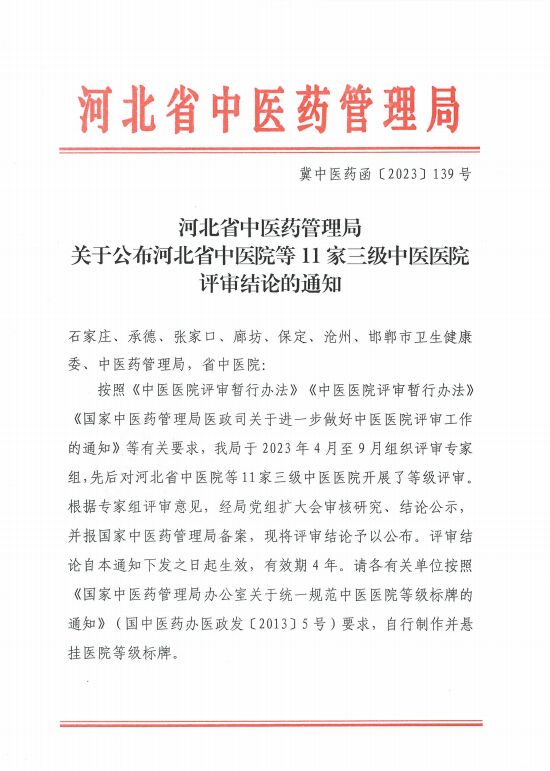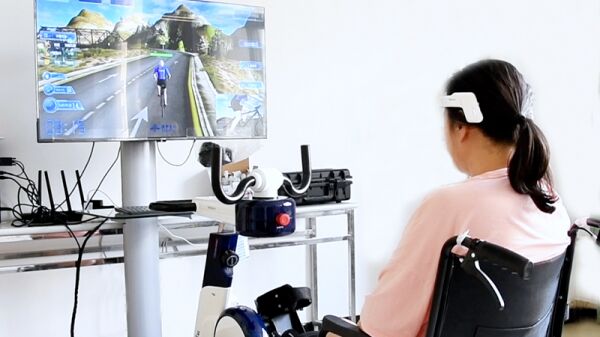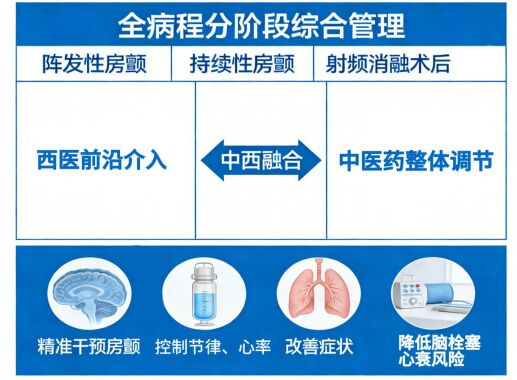
Hebei Yiling Hospital has introduced a neurosurgical robot, marking the transition from “minimally invasive neurosurgery” to a new era of “precise and intelligent neurosurgery.”
With mechanical joints extending and the robotic arm tracing a smooth trajectory through the air, the guidance probe is slowly and precisely positioned at the patient’s scalp puncture site. As the puncture channel is established, dark red blood clots are aspirated—this is a scene unfolding in the operating room of Hebei Yiling Hospital.
Neurosurgery Begins Using “GPS” Positioning
On December 15, the neurosurgery team at Hebei Yiling Hospital successfully completed the hospital’s first robot-assisted intracranial hematoma aspiration surgery.
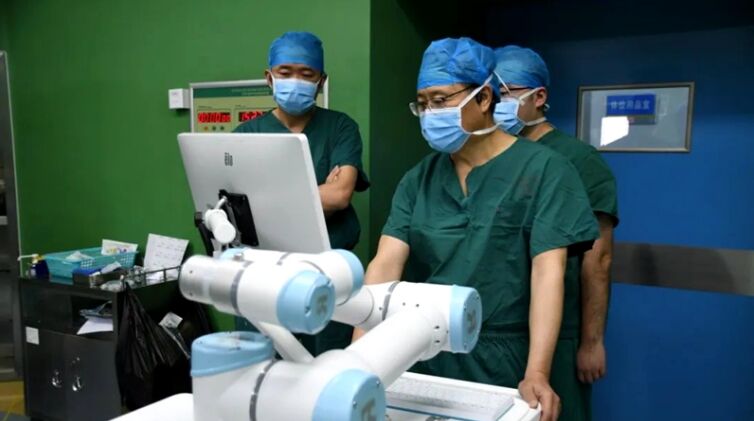
Ms. Dong, aged 72, was urgently brought to Hebei Yiling Hospital by her family due to vomiting and impaired consciousness. Chief Neurosurgeon Zhang Zhimin assessed the patient’s condition. CT scans revealed a cerebellar hemorrhage with a bleeding volume of approximately over 10 millilitres. After team discussion, it was decided to perform robot-assisted cerebellar hematoma aspiration surgery.
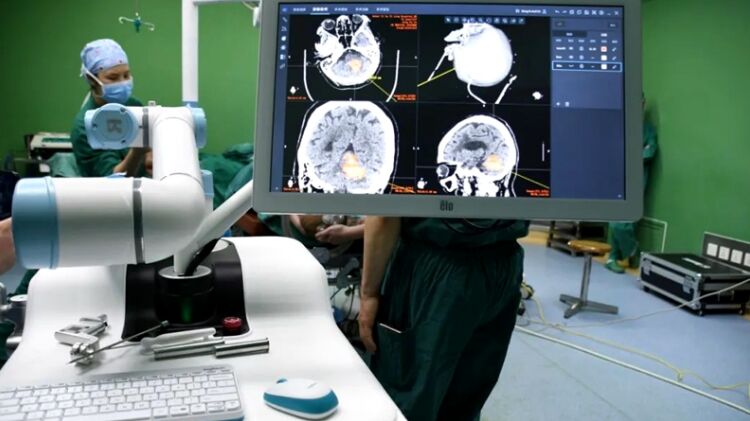
Before surgery, a thin-slice CT scan of the patient’s head was performed, and the CT imaging data was uploaded into the robot’s computer system. During the operation, Chief Zhang used the robot to determine the surgical target and plan the optimal surgical path. Thanks to the highly precise hematoma localization, the hematoma was quickly removed. The patient regained consciousness immediately after surgery and was safely returned to the ward.
Advantages of the Neurosurgical Robot
Chief Neurosurgeon Zhang Zhimin explained that traditional neurosurgical positioning mainly relies on MRI, CT imaging, and the lead surgeon’s clinical experience, whereas the neurosurgical robot navigation system has a positioning error within 0.5 millimetres! It features three major advantages: minimally invasive, precise, and real-time tracking. Preoperative imaging data from CT and MRI are used to establish an image-guided spatial map. Intraoperatively, the robot accurately guides the needle for puncture and drainage, achieving a “one-needle, direct-hit” surgical effect, maximally reducing surgical trauma and greatly improving surgical precision.
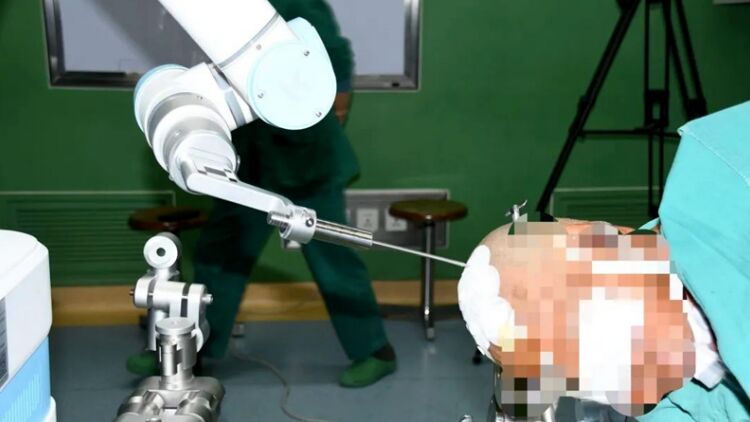
The neurosurgical robot navigation system is widely applied and can assist in intracranial procedures, especially brainstem hematoma drainage, brain tumour biopsy, and advanced surgeries such as deep electrode implantation for Parkinson’s disease, Meige syndrome, and refractory epilepsy.
The application of the neurosurgical robot navigation system marks a new milestone for Hebei Yiling Hospital’s neurosurgery department in cranial surgery, especially for deep brain lesions and surgeries involving critical functional areas. It enables patients to benefit from the high-precision, cutting-edge neurosurgical services.
— Article excerpted from Hebei News Network, 19 December 2023