Rehabilitation medicine has never been merely about restoring skeletal, neurological, and limb functions; it is also about rebuilding hope and providing warm, holistic healing for both body and mind. The Musculoskeletal Rehabilitation Ward of the Rehabilitation Department at Hebei Yiling Hospital consistently adheres to an integrated treatment philosophy of “physical rehabilitation as the foundation, psychological rehabilitation as the soul, and humanistic care as the essence.” This approach breaks away from the traditional single-focus model that emphasises treatment over psychological care and physical recovery over compassionate attention. While precisely conducting clinical rehabilitation treatments and tackling various complex rehabilitation challenges, the ward places great importance on the mental health of inpatients—especially elderly patients who are long-term bedridden, have multiple coexisting conditions, and prolonged illness courses. Through multidimensional measures such as pharmacological interventions, professional psychological counselling, personalised rehabilitation plans, family caregiver education, and continuous compassionate companionship, the ward achieves simultaneous treatment of body and mind, addressing both symptoms and root causes. This ensures that every patient not only heals from physical ailments but also regains psychological health and hope for life, truly achieving rehabilitation that is warm, high-quality, and dignified.
Emphasising Psychological Rehabilitation to Help Elderly Chronic-Disease Patients Return to Normal Life
Ms. Sun, aged 93, was recently hospitalised for treatment following a traumatic fracture. During examination, doctors found that in addition to the rib fracture caused by the trauma, she suffered from severe osteoporosis and had a history of multiple fractures in the spine, limbs, and thorax, resulting in severely limited physical mobility. She also had multiple underlying conditions including cerebral infarction, coronary heart disease, chronic heart failure, senile tremor, and benign paroxysmal positional vertigo. Due to chronic pathological changes in her nervous, cardiovascular, and musculoskeletal systems over many years, her medical history was complex and her illness prolonged. Ms. Sun’s hospital stay has already lasted four and a half months. The lengthy hospitalisation, recurring physical pain, complex underlying diseases, and restricted mobility imposed psychological and physical stresses on this elderly patient that are difficult for most people to imagine.
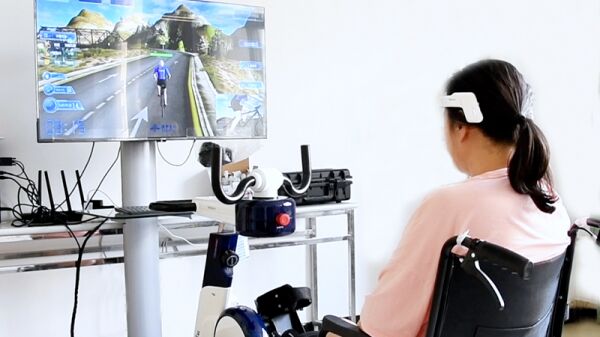
“During clinical treatment, we found that the core issue hindering patients’ rehabilitation progress was no longer the physical injury but severe psychological and emotional problems,” said Zhang Jiawei, Director of the Musculoskeletal Rehabilitation Ward at Hebei Yiling Hospital’s Rehabilitation Department. Elderly rehabilitation patients represent a particularly special clinical group with high diagnostic and treatment difficulty and prominent psychological issues. Compared to ordinary patients, elderly patients generally have multiple coexisting diseases, complex medical histories, multiple injuries, slow recovery, prolonged bed rest, and social isolation. The dual pressures of physical and psychological burdens trap them in rehabilitation difficulties. After timely hospital treatment, Ms. Sun’s traumatic fracture condition gradually stabilised, and she met the basic conditions for bed mobility, core training, and sitting training. Following a comprehensive assessment, the rehabilitation team developed a stepwise, personalised rehabilitation plan involving low-load exercises such as bedside gradual elevation, pelvic tilt training in bed, glute bridge core training, and gentle limb movements. These aimed to progressively enhance her core muscle strength, trunk endurance, sitting balance, and activities of daily living, helping her to break free from long-term bed rest and regain basic functional independence. However, due to prolonged bed rest isolation, separation from family and social life, repeated physical pain, lack of confidence in recovery at an advanced age, and excessive worry about unknown health conditions, Ms. Sun developed significant anxiety, depression, somatisation symptoms, and sleep disturbances. Persistent negative emotions greatly reduced her enthusiasm for rehabilitation training, often causing resistance, passivity, and fluctuating cooperation. Even when physically capable of training, she was held back by psychological fear and self-denial, markedly slowing her overall rehabilitation progress.
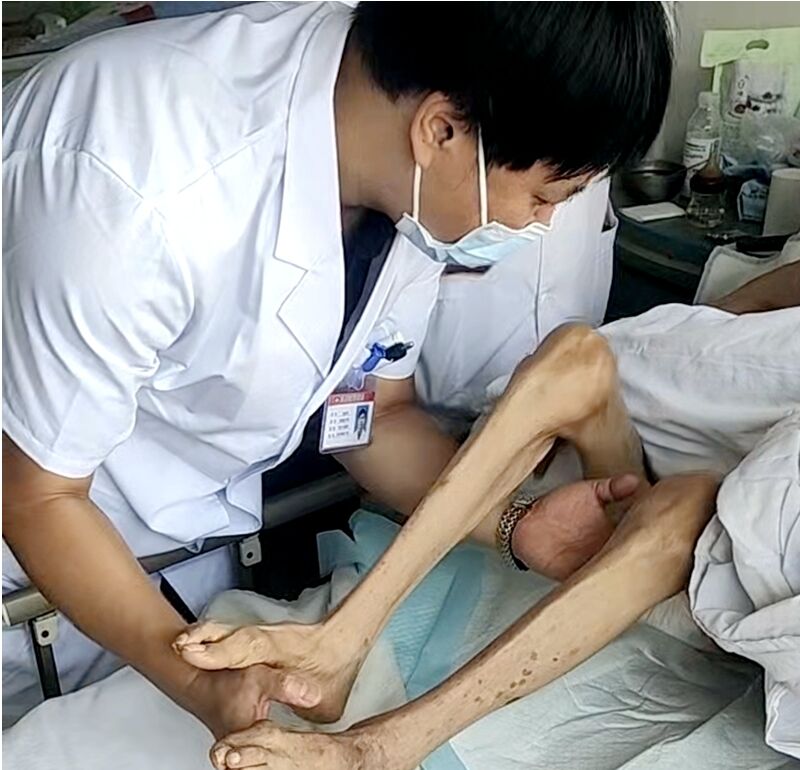
“For long-term bedridden, elderly patients with multiple diseases and prolonged illness, psychological problems are far more insidious, persistent, and potentially fatal than physical pain. Their negative impact spans the entire rehabilitation process and triggers multiple clinical and life issues,” said Director Zhang Jiawei. Rehabilitation is not only physical recovery but also psychological rehabilitation; compared with physical rehabilitation that targets symptom improvement and functional restoration, psychological rehabilitation should be the core of rehabilitation. Neglecting psychological rehabilitation causes rehabilitation to lose its essential meaning.
If psychological rehabilitation is ignored and patients remain in negative emotional states for long periods, their adherence to rehabilitation will significantly decline, impeding or even halting functional recovery. Negative emotions themselves also impair immune and repair functions, delaying wound healing. Psychological problems may induce somatic symptoms, complicate clinical diagnosis and treatment, and prolong hospital stays. Moreover, long-term psychological imbalance can lead to communication barriers between medical staff and patients, family caregiving conflicts, and increased caregiving burdens. The ultimate goal of rehabilitation medicine has never been simply “healing injuries and diseases” but helping patients restore function, return to life, regain dignity, and improve quality of life. Even if physical function is fully restored, if psychological shadows persist—manifesting as passivity, low self-esteem, anxiety, and pessimism—and patients cannot face life or accept themselves normally, such rehabilitation is incomplete and unsuccessful. Only synchronised physical and psychological rehabilitation can truly help patients emerge from the shadow of illness and actively face subsequent life.
Deepening Humanistic Rehabilitation: Integrated Body and Mind Treatment Lays a Solid Foundation for Recovery
For a long time, the Musculoskeletal Rehabilitation Ward at Hebei Yiling Hospital’s Rehabilitation Department has been committed to a comprehensive rehabilitation model integrating “precision medicine + humanistic care + psychological intervention.” Based on the physical and mental characteristics of elderly chronic-disease patients and long-term inpatients, the ward incorporates psychological health assessment, emotional counselling, psychological intervention, humanistic companionship, and family support into routine clinical care. These elements are integrated throughout admission, treatment, rehabilitation, and discharge processes. Through professional, attentive, patient, and compassionate care, the team dispels patients’ psychological shadows, activates their rehabilitation motivation, and achieves comprehensive physical and mental rehabilitation.
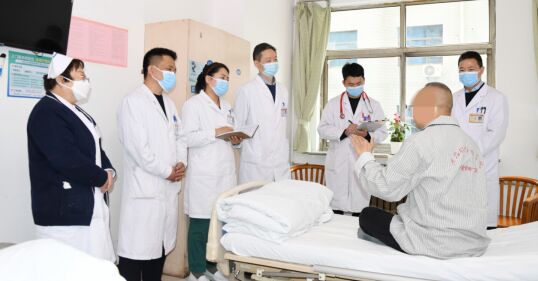
In response to Ms. Sun’s advanced age, multiple coexisting diseases, benign paroxysmal positional vertigo, severe osteoporosis, anxiety, insomnia, and insufficient rehabilitation enthusiasm, Director Zhang Jiawei led the team to implement a comprehensive, personalised, stepwise integrated body-mind rehabilitation plan that precisely addressed both physical rehabilitation challenges and psychological-emotional difficulties. First, they accurately assessed her physical condition and developed a safe, appropriate stepwise rehabilitation plan tailored to her actual physical status, adhering to principles of safety first, gradual progression, painless rehabilitation, and doing what one can, ensuring scientific, safe, and efficient physical rehabilitation. Second, to address Ms. Sun’s long-term anxiety, excessive worry, somatic discomfort, and persistent nocturnal insomnia, the team designed a low-dose, high-safety, stepwise pharmacological intervention plan tailored to her advanced age and medical history. They carefully selected medications to minimise risks associated with elderly patients, reduce adverse drug reactions, and lower risks of falls and fractures. This medical intervention precisely targeted her psychological and sleep issues, providing a foundational guarantee for integrated body-mind rehabilitation. Concurrently, the department’s medical and nursing team established a routine psychological communication mechanism, providing one-on-one psychological counselling to Ms. Sun. Humanistic care was integrated into every detail of daily ward rounds, treatment, and nursing. Through companionship, communication, and encouragement, they alleviated her feelings of isolation and loneliness from prolonged hospitalisation, helping her gradually emerge from self-denial and excessive anxiety.
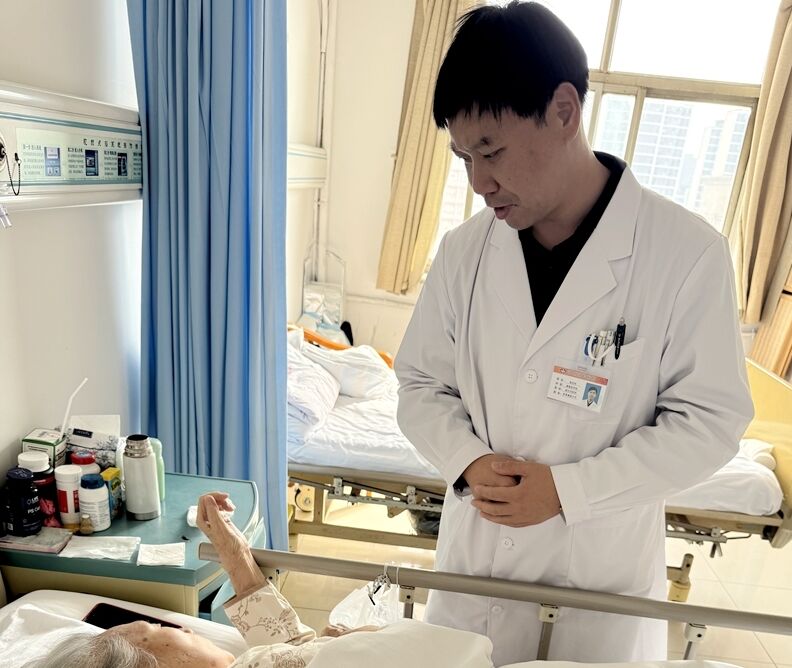
Family caregiving and support are vital pillars for the psychological health of elderly patients. Therefore, the Musculoskeletal Rehabilitation Ward at Hebei Yiling Hospital conducts health education and psychological guidance for caregivers. On one hand, caregivers are guided to correctly understand the long-term and special nature of rehabilitation for elderly patients, to recognise that patients’ anxiety, sensitivity, and negativity are normal psychological responses accompanying illness, to tolerate emotional fluctuations without blame, pressure, or neglect, and to provide encouragement, companionship, and reassurance. On the other hand, caregivers are taught proper communication methods and rehabilitation caregiving skills, encouraged to offer psychological comfort, proactively alleviate patients’ disease-related worries, and cooperate with medical staff in psychological interventions and rehabilitation training. Through this dual model of “professional medical intervention + warm family companionship,” the ward builds a comprehensive psychological support system for patients, allowing them to feel the warmth and support of family, thereby enhancing rehabilitation confidence and treatment compliance.
Rehabilitation patients require not only precise medical techniques but also respect, understanding, warmth, and hope. Over the years, the Musculoskeletal Rehabilitation Ward at Hebei Yiling Hospital has consistently made humanistic medicine the core service philosophy of the department, creating a rehabilitation environment with warmth. Rehabilitation plans and communication methods are dynamically adjusted to ensure personalised physical treatment, precise psychological intervention, and routine humanistic services. This enables every patient to maintain a positive, stable, and optimistic mindset throughout the long rehabilitation process.
Bidirectional Rehabilitation of Body and Mind Activates Patients’ Intrinsic Rehabilitation Motivation
Following comprehensive treatment with pharmacological intervention, psychological counselling, humanistic companionship, family support, and precise rehabilitation, Ms. Sun’s overall condition has significantly improved: her excessive worry, anxiety, and irritability have markedly eased; her nocturnal sleep quality has gradually improved; her widespread somatic discomfort has notably diminished; her mindset has become steadily calm and optimistic; and she has rebuilt confidence in rehabilitation and hope for life. The improvement in her psychological state has directly activated her intrinsic motivation for rehabilitation. Ms. Sun has reversed her previous resistance to rehabilitation training and now actively cooperates with medical staff. Her core muscle strength, trunk endurance, and sitting balance have steadily improved. The physical function decline caused by prolonged bed rest has been effectively curbed, and her ability to perform daily living activities has gradually recovered, placing her rehabilitation progress into a virtuous cycle.
Clinical rehabilitation experience from many patients teaches us that the endpoint of medical care is never simply the elimination of lesions but the enhancement of quality of life; the ultimate goal of rehabilitation is never just limb recovery but comprehensive healing of body and mind. Currently, with accelerating population ageing, high incidence of chronic diseases in the elderly, and increasing numbers of long-term rehabilitation inpatients, the coexistence of multiple diseases and combined physical and mental conditions in elderly patients is becoming increasingly common. This raises higher demands for rehabilitation medical services. The Musculoskeletal Rehabilitation Ward at Hebei Yiling Hospital remains steadfast in its original mission of people-centred care, integrated body-mind treatment, humanistic empowerment, and precision rehabilitation. It uses professional medical technology to restore physical function and warm humanistic care to heal psychological wounds, helping every rehabilitation patient emerge from the shadow of illness, overcome psychological difficulties, and regain confidence in life. (Excerpted from Hebei News Network)