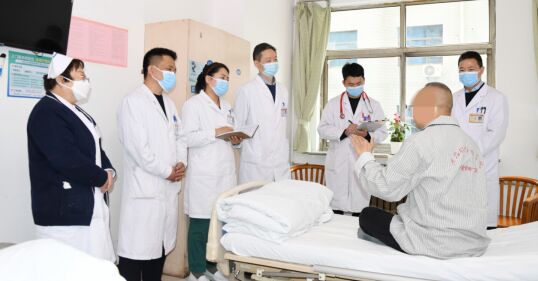
After experiencing injuries such as fractures, joint lesions, or ligament tears, many patients believe that successful surgery means their body will fully recover. However, in reality, after orthopedic surgery, if “nothing is done,” patients are likely to continue suffering from various functional impairments: inability to raise the arm, inability to bend the leg, persistent pain, and so on. In fact, for musculoskeletal conditions, surgery addresses structural repair, but the recovery of functions closely related to daily activities depends on musculoskeletal rehabilitation.
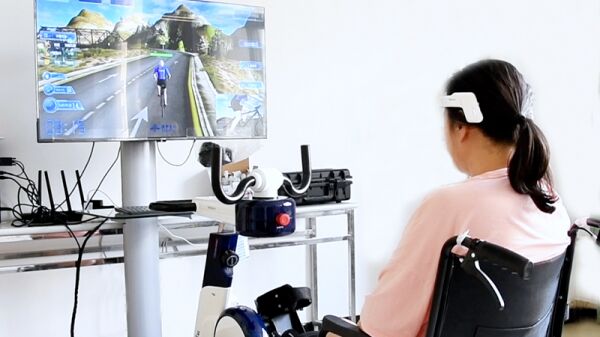
The Musculoskeletal Rehabilitation Department at Hebei Yiling Hospital employs modern rehabilitation technologies for precise assessment and early intervention, tailoring personalised plans; combined with traditional Chinese medicine’s characteristic collateral-disease diagnostic and treatment methods, they purposefully assist patients in achieving full-cycle management rehabilitation, accompanying them from “no pain” to “good function,” and from “able to move” to “free movement.”
“I didn’t expect to recover so quickly; this feels so much better!”
Due to severe shoulder joint lesions, 78-year-old Ms. Wang (pseudonym) suffered increasing shoulder pain and inability to raise her arm, which severely affected her daily activities, making it impossible even to comb her hair or hold chopsticks. Ultimately, she decided to undergo reverse total shoulder arthroplasty. Simply put, this surgery involves installing the shoulder joint structure in reverse, changing the force point and transferring the arm-raising effort entirely to the deltoid muscle. Therefore, although pain and other symptoms improve after reverse total shoulder arthroplasty, local stability is relatively poor, generally requiring the use of a specialised brace for about one and a half months, which inevitably causes some inconvenience in daily life.
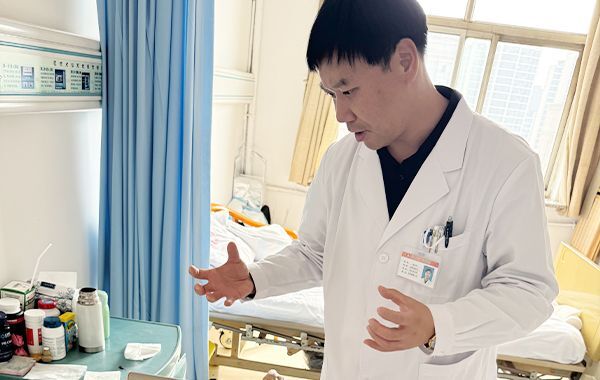
“Can I recover faster?” With this hope, Ms. Wang consulted Zhang Jiawei, Chief of the Musculoskeletal Rehabilitation Department at Hebei Yiling Hospital. After carefully understanding her condition and surgery, Chief Zhang led the team to conduct a comprehensive and precise assessment and provided targeted training for the shoulder, elbow, and other joints, improving range of motion while ensuring shoulder stability. After 28 days of consistent rehabilitation, Ms. Wang’s shoulder function showed significant improvement; the brace was successfully removed and replaced with a lighter triangular sling. “This is so much more comfortable now!” Encouraged, Ms. Wang was highly motivated and cooperated fully in subsequent rehabilitation training, quickly regaining independence in daily activities.
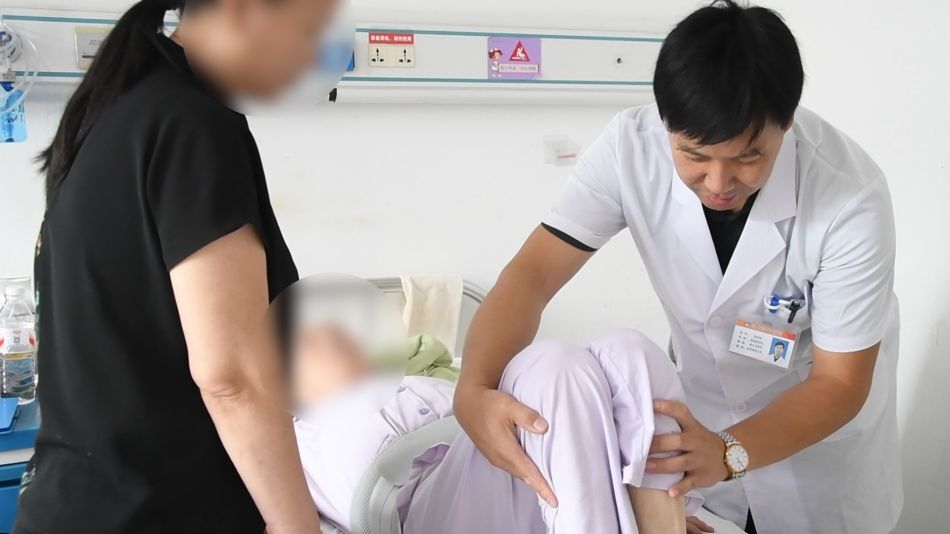
Do not neglect timely rehabilitation after orthopedic surgery
“In the clinical treatment of musculoskeletal diseases, medication controls symptoms, surgery repairs structures, and restoring related functions and abilities requires timely rehabilitation intervention. This is the final critical step in disease treatment, aiming to help the body regain correct movement patterns,” said Zhang Jiawei, Chief of the Musculoskeletal Rehabilitation Department at Hebei Yiling Hospital. Injuries to the musculoskeletal system—including bones, muscles, tendons, joints, and ligaments—can cause limb movement dysfunction or even disability. Necessary surgical treatments such as joint replacement, fracture repair, and ligament reconstruction can physically restore bone, tissue, or organ structures. However, postoperative functional impairments often remain. Without timely, standardised rehabilitation training, the injured area and surrounding muscles may undergo functional degradation, leading to joint stiffness, muscle atrophy, muscle strength imbalance, and other issues. This prevents normal use of functions required for daily life and may cause complications or disease recurrence, leading patients to mistakenly believe the surgery was ineffective.
Therefore, for musculoskeletal diseases, even after medication and surgery, treatment is not complete without necessary rehabilitation. Chief Zhang stated that early, scientific musculoskeletal rehabilitation intervention can professionally release adhesions and restore joint range of motion; based on structural repair, it retrains muscle and nerve coordination and rebuilds motor control; it also significantly shortens recovery time and effectively prevents permanent functional impairments such as joint stiffness and limited mobility.
Musculoskeletal rehabilitation covers the entire life cycle
The scope of musculoskeletal rehabilitation includes postoperative and perioperative rehabilitation for orthopedics, mainly focusing on postoperative rehabilitation, chronic musculoskeletal pain management, posture correction, and exercise rehabilitation. Whether elderly patients requiring joint replacement, adolescents with scoliosis during growth, people who frequently exercise and are prone to sports injuries, or those who sit for long periods with poor posture and chronic strain, all can benefit from musculoskeletal rehabilitation. It can be said to cover the entire life cycle.
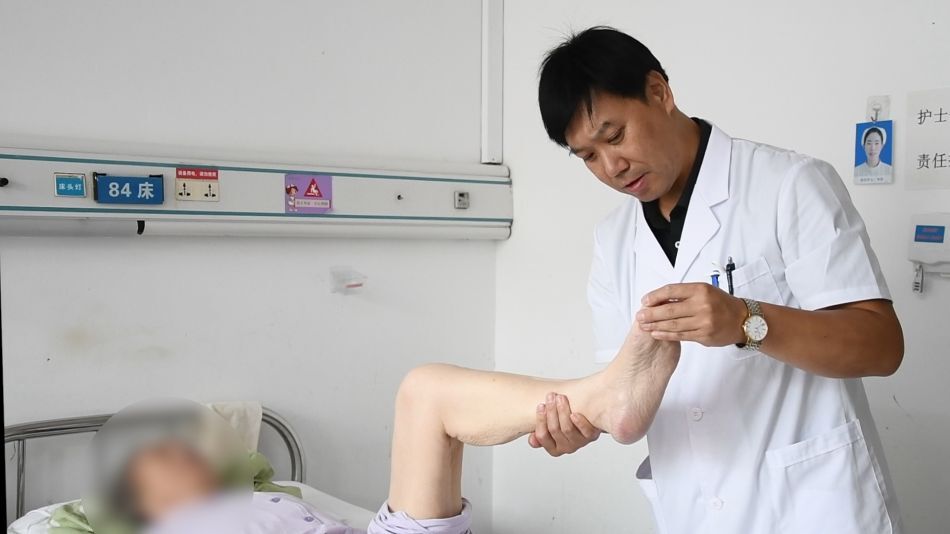
“Clinically, the most common application of musculoskeletal rehabilitation is postoperative orthopedic rehabilitation,” said Chief Zhang. For postoperative recovery from limb fractures, hip/knee/shoulder joint replacement, anterior cruciate ligament reconstruction, meniscus repair, rotator cuff repair, and ankle ligament repair, musculoskeletal rehabilitation provides systematic functional recovery training to accelerate postoperative recovery. Additionally, for spinal-related pain such as cervical spondylosis, lumbar disc herniation, lumbar muscle strain, and sacroiliac joint dysfunction; as well as soft tissue pain conditions like frozen shoulder, tennis elbow, tenosynovitis, and plantar fasciitis, musculoskeletal rehabilitation enables chronic pain management. Furthermore, musculoskeletal rehabilitation is used to correct poor posture such as scoliosis, uneven shoulders, and pelvic tilt; it also provides rehabilitation training for sports strain to enhance athletic performance, improve declining motor function, and prevent recurrence of sports injuries.